A comparison page exists for one reason: you have narrowed the field to two options and you need someone to name a winner. So every page in this section leads with a table, resolves the decision dimension by dimension, and ends with a verdict that says which one to buy and for whom. If we think the answer depends on you, we say what it depends on rather than hedging.
The comparisons that matter for a first machine
Whether to buy one at all. Hand sewing vs machine sewing is the comparison that comes before every other page on this site. The two form different stitches and fail in different ways, and for buttons, repairs and one hem a year the correct answer is a needle. It also names the point at which that stops being true.
Brand. Brother vs Singer for beginners is the most-asked question in the category, and on published specification it has a clearer answer than brand loyalty suggests. The dividing line is the bobbin system and the needle threader, not the badge.
Machine type. Mechanical vs computerized is where most of the money goes. The honest summary is that computerized buys you a one-step buttonhole selection and a stitch readout, mechanical buys you fewer things to fail, and the price gap is mostly presser feet rather than electronics.
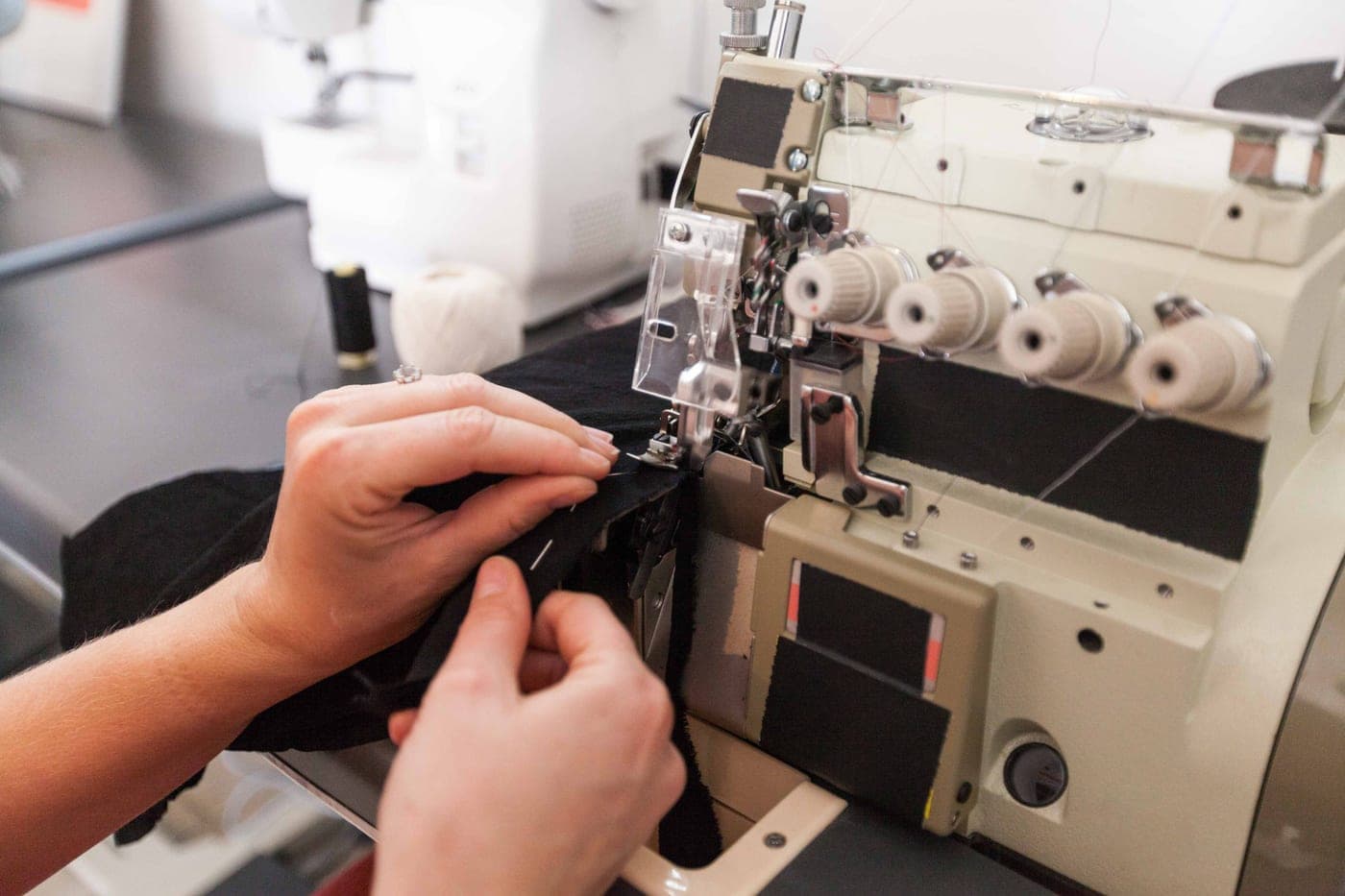
Machine category. Sewing machine vs serger is a question beginners ask because sergers look professional. The answer is not close: a serger cannot sew a seam on its own, cannot sew a buttonhole, and cannot topstitch. It is a second machine, not a first one.
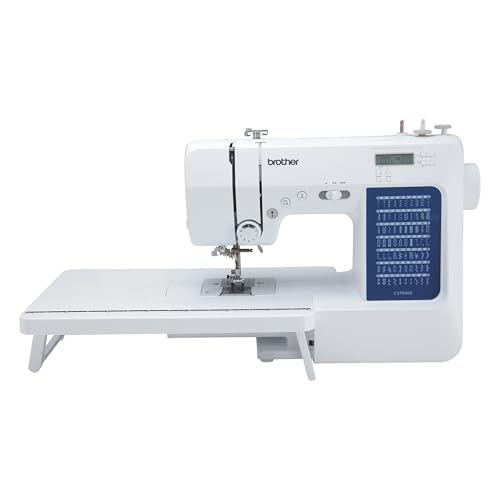
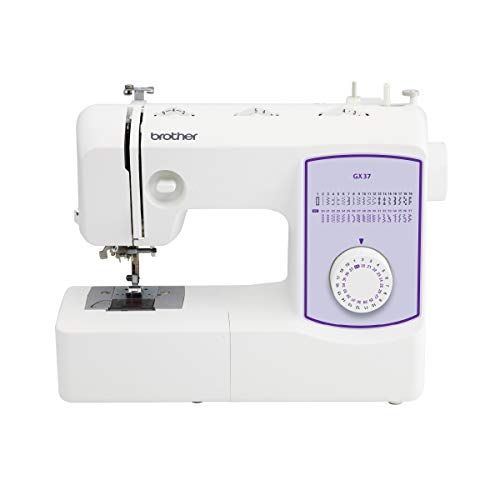
Two specific machines. Brother CS7000X vs XR9550 is the comparison people get stuck on, because the two sit within ten dollars of each other on Brother's own list price and are built for different jobs. Brother XM2701 vs GX37 settles the other one, between two mechanicals Brother lists at exactly the same price. Brother CS5055 vs CS7000X is the computerized version of the same question, and the answer turns entirely on whether you quilt. Brother CS7000X vs CS7205 is the closest call on the site: ten dollars apart, with 135 more stitches on one side and a hard cover on the other.
A whole product line at once. SINGER Heavy Duty 4411 vs 4423 vs 4432 vs 4452 resolves the most confusing set of model numbers in the category. All four share one chassis, the differences are the buttonhole, the threader and the accessory box — and the price order does not match the feature order.
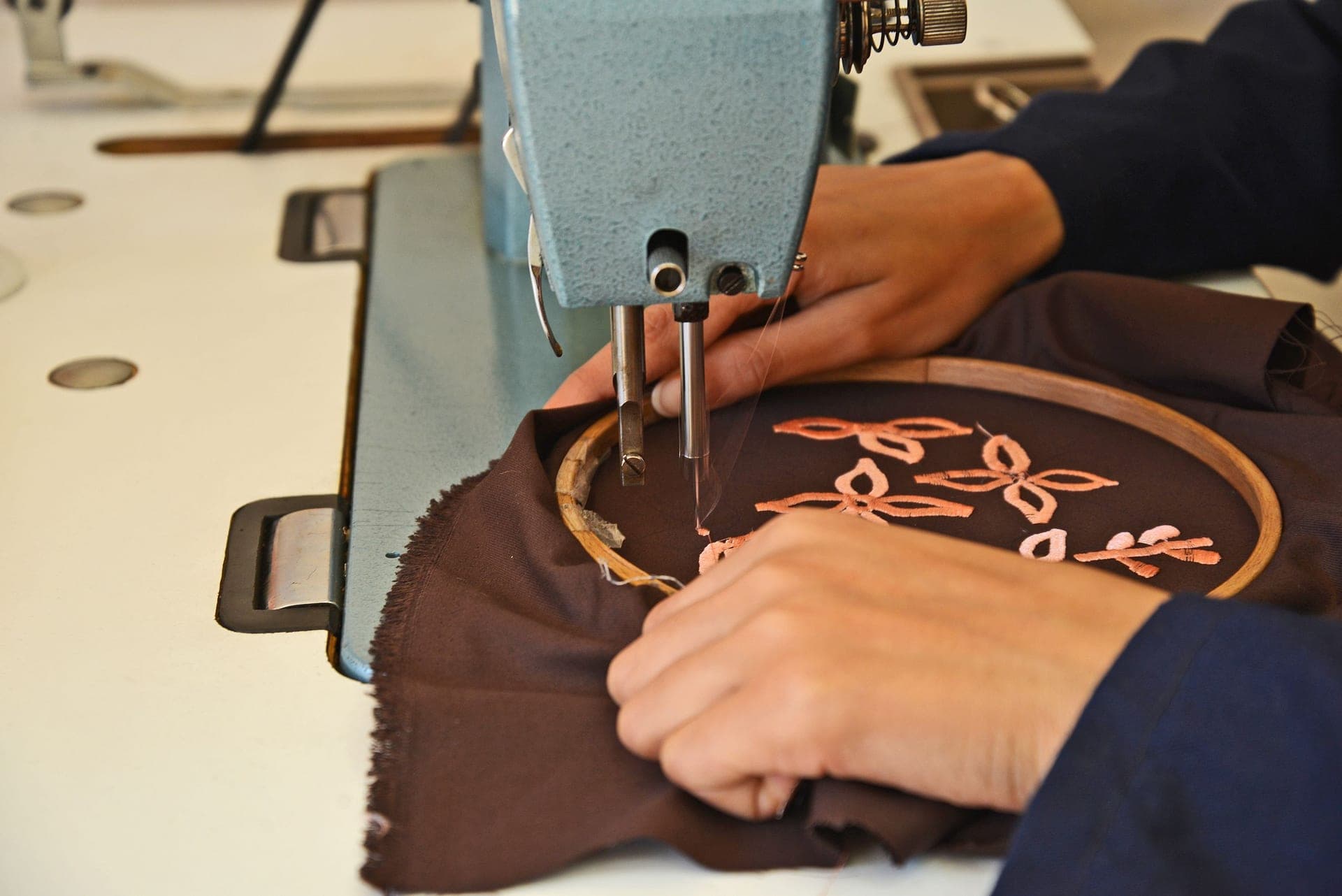
A different machine entirely. Sewing machine vs embroidery machine is the one people get wrong most expensively, because the two look similar and are not alternatives: an embroidery machine clamps the fabric still and cannot sew a seam, a buttonhole or a hem at all.
Mechanisms, not models. Two decisions come up on every machine and neither is obvious from a spec sheet: drop-in vs front-loading bobbin counts the steps each system asks of you and explains why one causes more beginner tension problems, and one-step vs four-step buttonhole covers the operation that decides whether garment sewing is enjoyable.
Kit strategy. A pre-built starter kit vs buying separately is the comparison this site was really built to make, because it is the one where the marketing and the arithmetic point in opposite directions.
Price tier. Cheap vs mid-range machines puts a number on what an extra hundred dollars structurally buys, and quilting vs regular machines does the same for the quilting premium.
A discontinued model. Brother CS6000i vs CS7000X is the odd one out here, because one side of it is no longer sold. The CS6000i was the most-recommended beginner machine on the internet for years and Brother now marks it Discontinued with zero stock, so a great many still-live recommendations point at a machine you cannot buy. That comparison sets out what it published, which current machine replaces it, the 1-year against 25-year warranty gap, and the one specification on which the old machine still wins.
How we structure a comparison
The table comes first, before any prose, because a table is the format the question deserves and because it is what a search engine will lift into a featured snippet. Then we go dimension by dimension — threading, bobbin, buttonhole, feet, weight, warranty — and say plainly which side wins each one and by how much. Then the verdict.
We do not manufacture closeness. If one option wins on every dimension that matters to a beginner, the page says so in the first paragraph rather than stringing you along to the bottom. Several comparisons on this site are lopsided, and pretending otherwise would waste your time.
What a comparison cannot settle
Two machines can have near-identical specifications and feel completely different to sew on — motor noise, pedal response, how the handwheel turns, how stable the machine is at speed on a light table. Those are hands-on questions, we have not put hands on these machines, and we will not resolve them with adjectives. Where a comparison comes down to feel, we say the specification does not decide it and point you at the difference that is measurable instead.
Prices are the other moving part. Two machines can swap places on value in a week. That is why every comparison on this site shows a live price rather than a printed one, and why the tier language on our roundups describes what a tier structurally contains rather than a number that will be wrong by the time you read it.