Stitch & Selvage earns a commission when you buy through the links on this page, at no extra cost to you. It does not change what we recommend, and we publish a skip-this verdict on products we could otherwise earn from. Full disclosure.
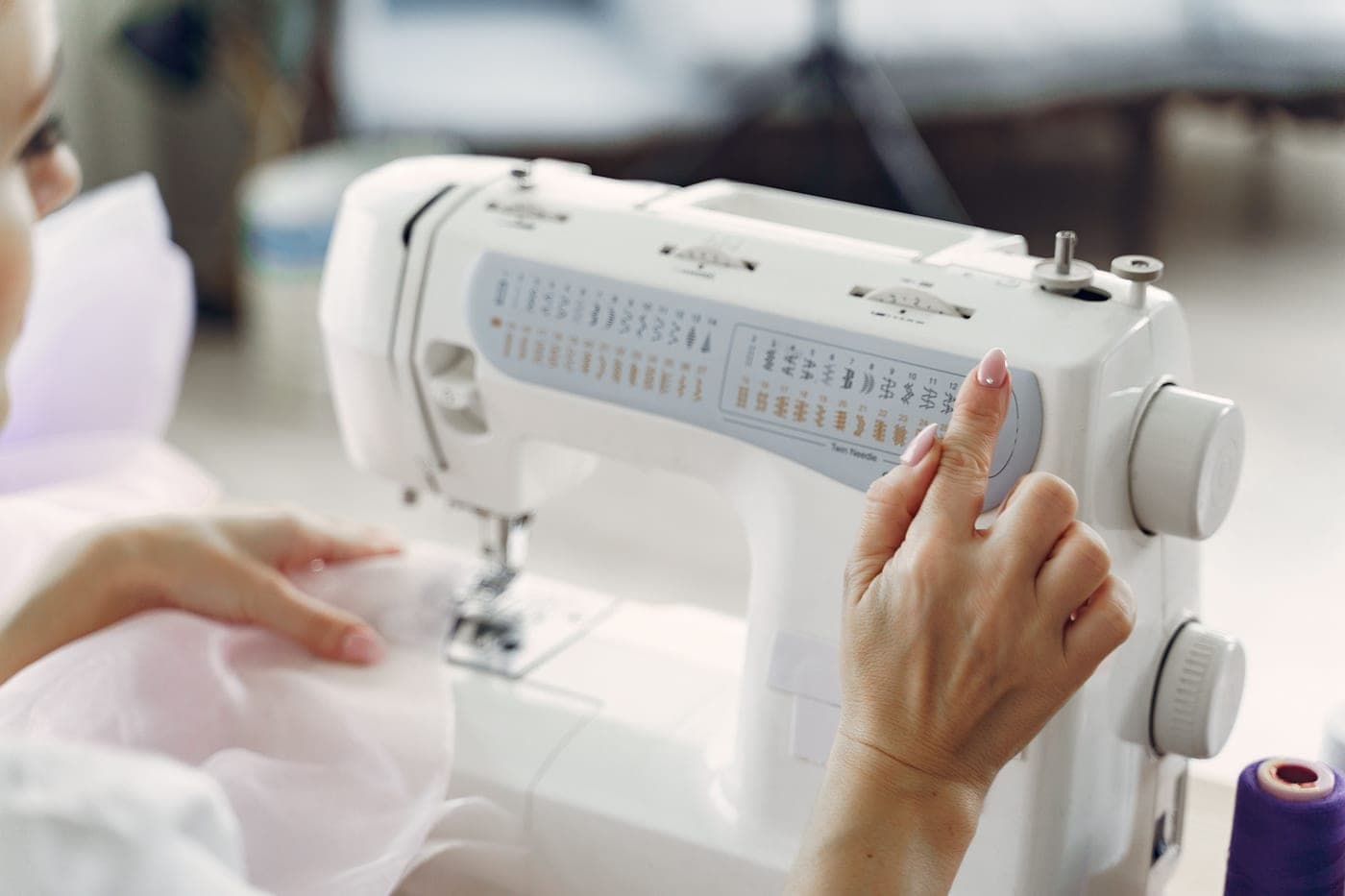
A mechanical machine selects stitches with a dial and has fewer parts to fail. A computerized machine selects them with buttons against a display, and in this price range that buys three concrete things: more one-step buttonhole styles, a stitch width and length readout, and usually more presser feet. The motor and the mechanism are essentially the same.
Compiled from Brother USA and SINGER specification pages, 1 September 2026.
What computerized genuinely buys
Buttonhole styles. This is the biggest practical difference. Brother lists seven one-step buttonhole styles on the CS7000X and eight on the XR9550, against one on the XM2701 and a four-step on the LX3817. If you make clothes with buttons, that range is worth the money on its own.
A readout. On a dial machine, the stitch width and length are wherever you set the two dials, and 'somewhere between 2 and 3' is as precise as it gets. On a screen you can see 3.5 mm and 2.0 mm, write them down, and reproduce them next week. For learning what settings do, being able to see the numbers is genuinely useful.
Feedback. The XR9550's upper thread sensor tells you the top thread has broken instead of letting you sew a foot of nothing. The CS7000X's adjustable sewing speed control lets a beginner cap the machine's top speed, which is the single most calming feature on a first machine and one no mechanical machine here offers.
Presser feet, incidentally. The computerized machines in this set come with eight and ten feet respectively; the mechanical machines come with three to six. That is a consequence of where they sit in the range rather than of the electronics, but you are paying one price and getting both.
What mechanical genuinely buys
Fewer things to fail. A dial, a lever and a mechanical cam stack have no firmware, no display and no sensor. We do not have failure-rate data — nobody publishes it and we will not invent it — but as a matter of construction there is less to go wrong.
Legibility. A dial with the stitches printed round it is understandable in three seconds by someone who has never used a sewing machine. A menu is not.
Learning tension properly. Mechanical machines here have manual thread tension. That means an uneven stitch is a problem you have to understand rather than one the machine quietly corrected. Slower, and a better teacher.
What neither of them changes
The bobbin system, the needle threading and the frame material are independent of this decision. The mechanical XM2701 has an automatic needle threader and a drop-in bobbin; the mechanical M1500 has neither. The mechanical Heavy Duty 4423 has a metal internal frame, which none of the computerized machines here publishes. Do not use 'computerized' as shorthand for 'better specified'. The cheapest computerized machine we cover, the Brother CS5055, makes the point from the other direction: it publishes seven one-step buttonhole styles, which no mechanical machine here comes close to.
The verdict
Buy computerized if you plan to make garments, because of the buttonhole styles, or if you plan to quilt, because the CS7000X's walking foot and quarter-inch foot come as part of that package.
Buy mechanical if the budget is the constraint or the work is repairs, and buy the one that keeps the automatic threader and the drop-in bobbin — which in this set means the XM2701.
Do not buy mechanical because you have heard computerized machines break. Buy mechanical because a dial is what you want to look at, or because the money is better spent on fabric.
Method
How we picked
- Put both sides' published manufacturer specifications side by side — Brother USA, SINGER and SCHMETZ pages, all checked 1 September 2026 — rather than comparing impressions.
- Resolved each dimension separately and said which side wins it, instead of averaging everything into a tie.
- Named a winner, and named the buyer the other option is right for.
- Priced live from Amazon. No number on this page is remembered.
We have not sewn on these machines. There is no test bench here, we do not own them, and we do not accept free product. Everything above is compiled from published manufacturer specifications and live retailer data — and we tell you which is which on every claim. Our full method.
Answers
Questions people ask
Is a computerized sewing machine better for beginners?
Do computerized sewing machines break more often?
What is the difference between mechanical and computerized in practice?
Which type is better for quilting?
Where this came from
Sources
About the author
Scooter M.
An enthusiast who is genuinely into this. I read the manuals, compile the published specs, and do the arithmetic. No lab coat, no test bench, and no machines I am pretending to have used — which is exactly why every claim here carries a source.
Published by Slate Mill Group. Published September 1, 2026; last updated September 1, 2026. Editorial policy.
Keep reading
Read next
Best overall
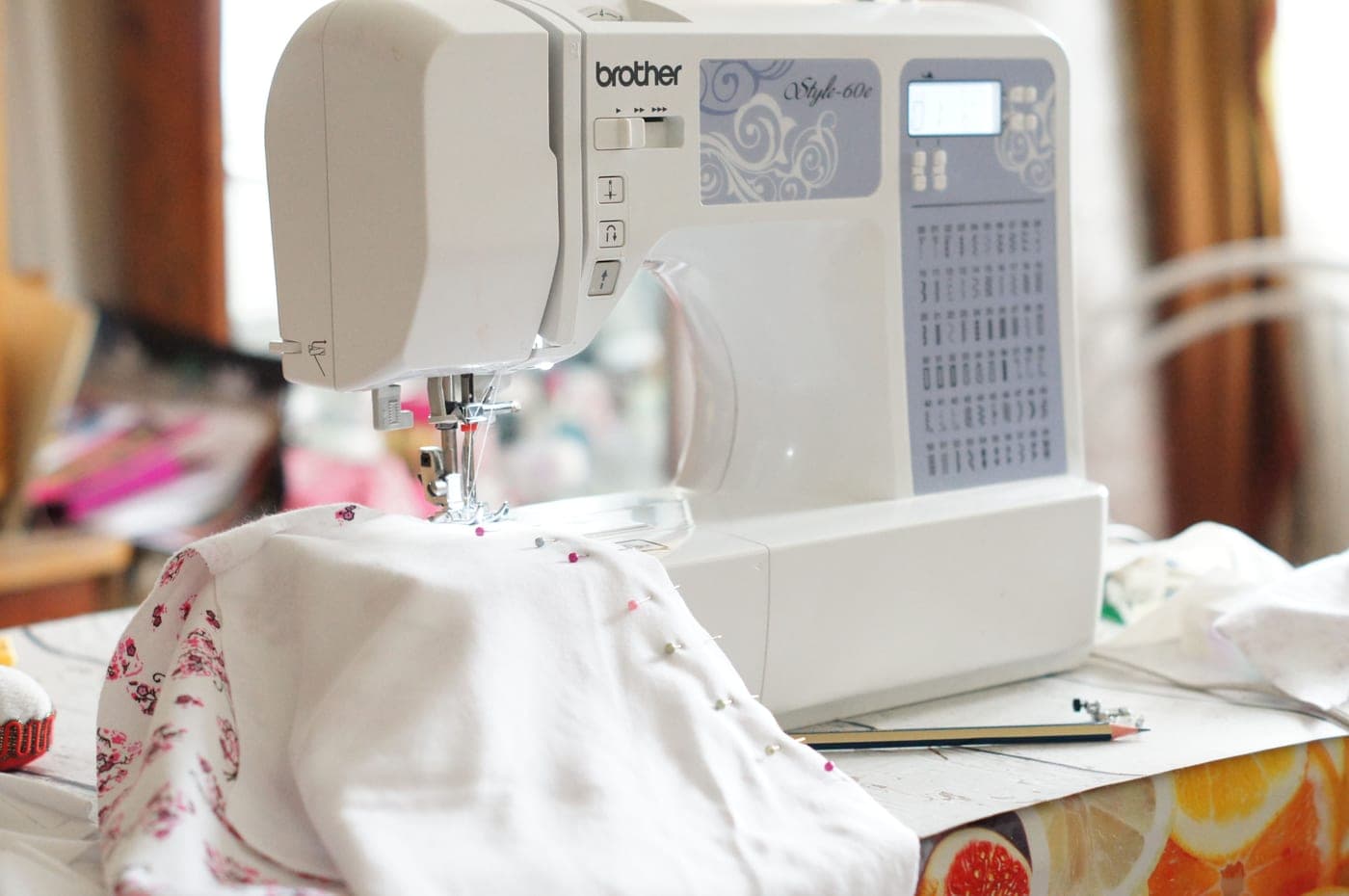
The best sewing machines for beginners
Six machines ranked on threading, bobbin, buttonhole and included feet — with the one we say not to buy first.
Cheap vs mid-range
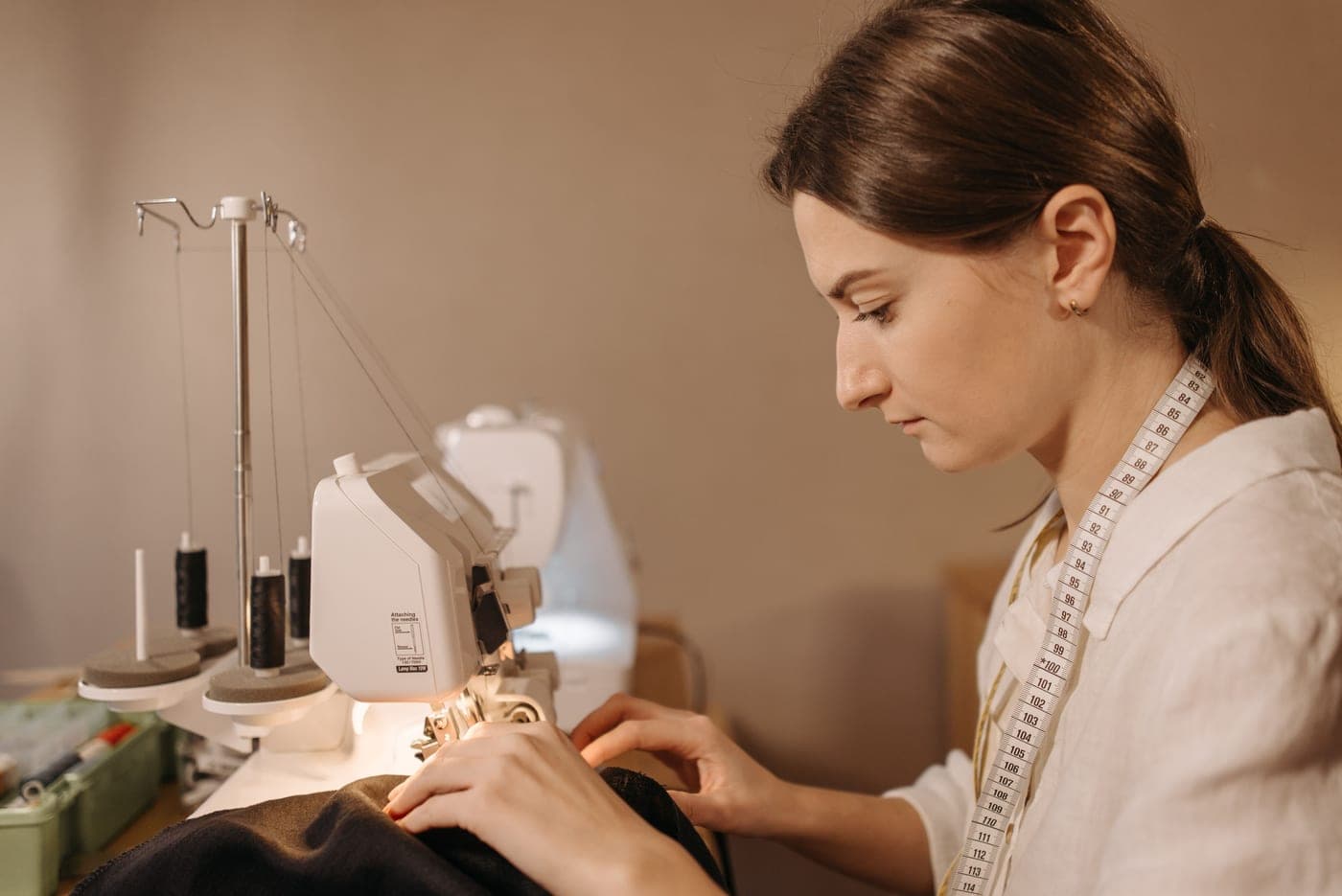
Cheap or mid-range: what does the extra money actually buy?
Four things the extra money buys, ranked, plus the one that is worth the whole difference on its own.
Best value mechanical
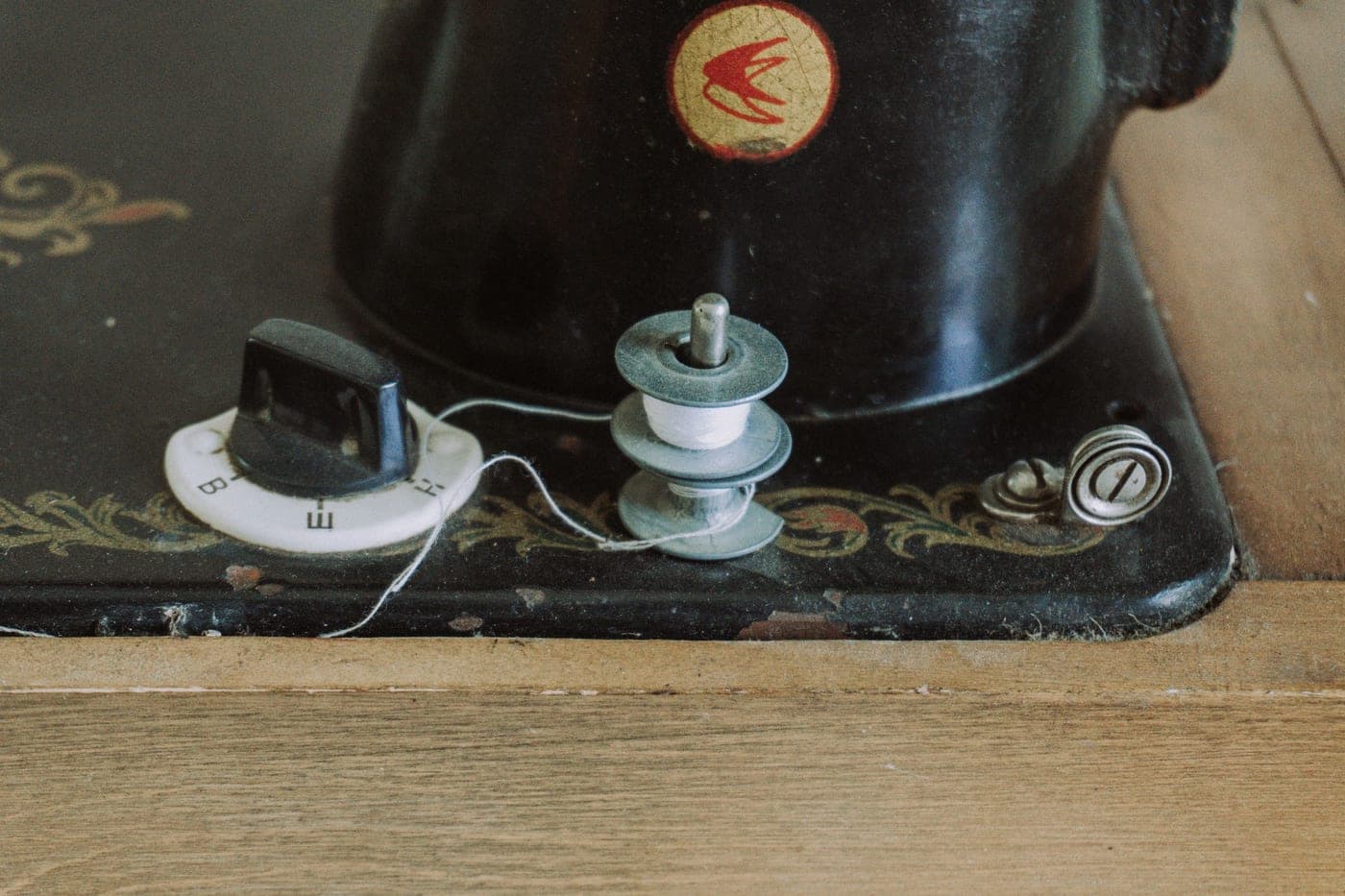
Brother XM2701 review: the cheapest machine that still threads its own needle
27 stitches, an automatic needle threader and a jam-resistant drop-in bobbin — the value pick of the mechanical machines.
The decision guide
What sewing machine should I buy?
Four questions in the order that narrows the field, and the three specifications to check before you order.