Methodology
How we pick
We have not tested these machines. Here is exactly what we do instead, including the scoring formula in full, so you can check our arithmetic.
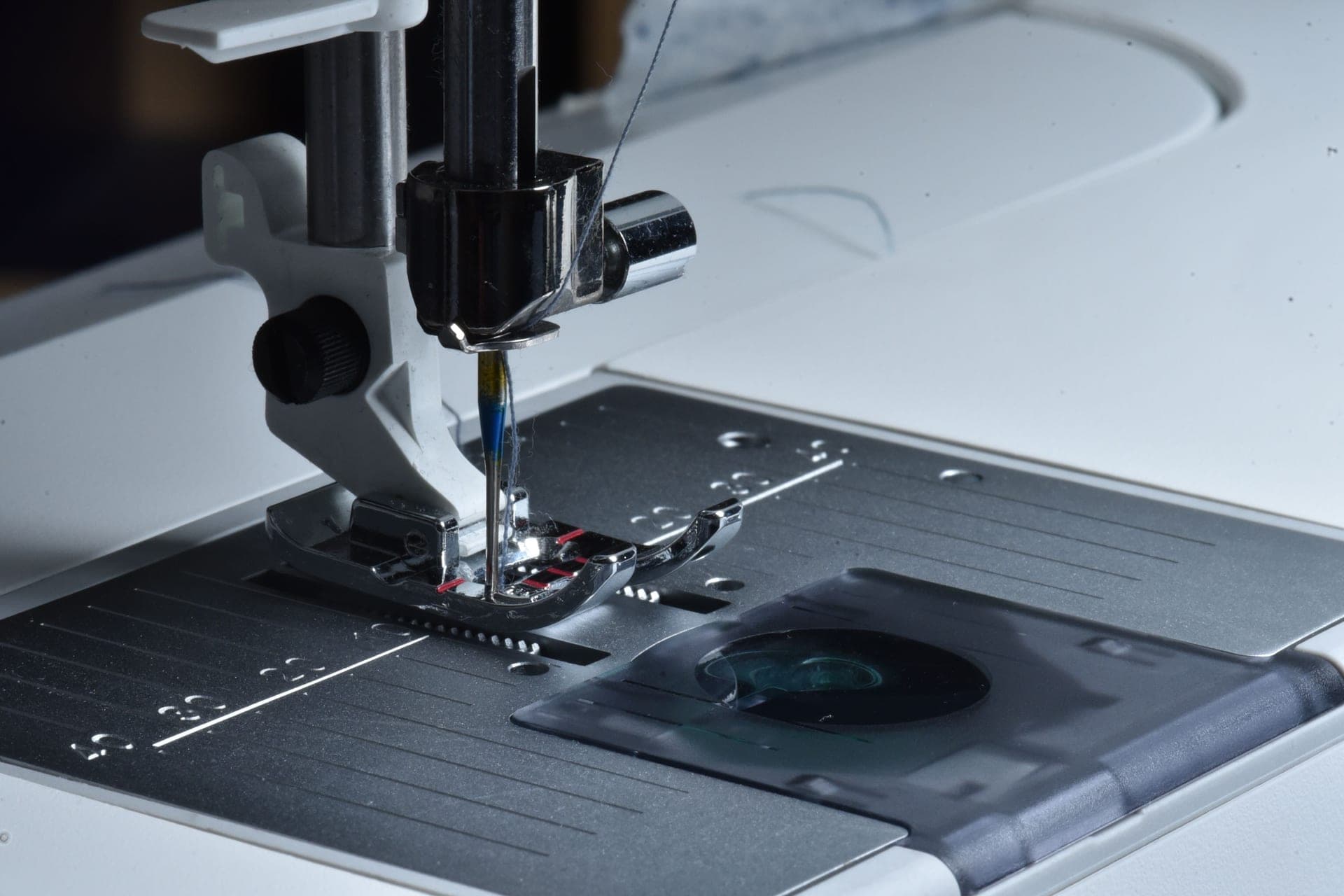
We have not tested these machines. We do not own them, there is no test bench here, and we are not going to tell you we timed a buttonhole we never sewed. What we do instead is compile the manufacturers' own published specifications, score them against a formula published in full below, price the whole setup live, and tell you which pick to skip.
What we do not do, stated first
The strongest sites in this category test machines. One of the competitors we studied publishes a six-step testing protocol and states how many machines it has run and for how long. Another is written by a certified sewing instructor. We cannot honestly imitate either, and we are not going to try, because a borrowed credential is the easiest claim in the world for a reader to falsify.
- We have not sewn on any machine on this site.
- We do not own any machine on this site.
- We do not accept free product from any manufacturer or retailer.
- We do not accept payment for placement, and no ranking on this site has ever been sold.
- We do not employ a panel, a lab or a team of specialists, and we will never imply that we do.
- We do not publish a star rating of our own. Where an Amazon star rating appears it is Amazon's, from Amazon's buyers, rendered live and labeled as theirs.
That is the list, and it is the first thing on this page rather than the last, because it is the thing that most changes how you should read everything else.
What we do instead
There is one thing nobody in this category does, and it needs no test bench at all: tell a beginner what it costs to start. The review sites stop at the machine. The supplies guides list tools without prices and never name a machine. The beginner's real question — what do I need, and what will the whole thing cost — is answered by nobody. That gap is the reason this site exists.
1. Compile the published specification
For every machine we cover we read the manufacturer's own product page and record: machine type, built-in stitch count, buttonhole type and style count, bobbin system, needle threading system, presser feet included, published unit weight, published dimensions, warranty terms, motor rating where published, and the full carton contents.
Every one of those figures is cited on the page it appears on, with a link to the manufacturer's page and the date we read it. If a manufacturer does not publish a figure, we write that the manufacturer does not publish it rather than filling the gap. That happens more often than you would think — presser foot pressure, motor wattage and stitches per minute are frequently absent.
2. Score against a published formula
Our editorial score is a weighted average of six components for machines, and four for kit items. The weights are below so you can recompute any score on this site and check our arithmetic. If you disagree with the weights, you now know exactly which number to move.
The machine scoring formula. Each component is scored 0-10 from published specifications, then weighted.
The kit-item scoring formula, used for needles, bobbins, presser feet and accessories.
This score is an editorial judgment about a published specification. It is not a test result. We deliberately do not emit it as a product review rating in the page's structured data, because telling Google we rated a product we never used would be a lie told in a machine-readable format.
3. Price it live, or not at all
Every price on this site is pulled from Amazon at the moment you load the page and stamped with the date it was checked. Where a live figure is not available, the button reads “Check price on Amazon” rather than showing a number.
We never print a remembered price. This matters more than it sounds: a stale price is worse than no price, because it is a number you might act on. Our data layer also expires anything older than 48 hours automatically, so a missed refresh makes prices disappear rather than quietly go stale.
Where you see a dollar figure written into prose on this site, it is a manufacturer's own published list price, attributed to the manufacturer and dated. That is a fact about the maker's listing, not a claim about what Amazon charges today, and we say so every time.
4. Price the whole setup, not just the machine
This is the part that is genuinely ours. For every machine we read the published carton contents and work out what is still missing — which presser foot, how many bobbins, whether a cover is included. Then we price the machine and that gap together, because a machine you cannot start using on the day it arrives is not a complete purchase.
It is arithmetic anyone can check, it needs no lab, and as far as we can tell nobody else in this category publishes it.
What disqualifies a machine
A pick whose buy button cannot exist is not a pick. A machine is excluded from our lists if any of the following is true.
- It is not purchasable in the United States. This is a US site with a US Amazon Associates tag; a machine you cannot buy here is not a recommendation, it is a distraction.
- It is discontinued, or only available as old stock.
- It is dealer-only. Some genuinely good machines are sold exclusively through sewing dealers. They appear in competitors' beginner roundups and they cannot be bought on the retailer this site links to, so they do not appear here.
- There is no published manufacturer specification we can verify. If we cannot cite the stitch count and the presser feet to the maker's own page, we cannot write about the machine honestly and we do not write about it at all.
Why every roundup names a pick to skip
Because it is the cheapest honest signal a site like this one has. Every product on every list here is one we could earn a commission from. Naming the one we think you should not buy costs us that commission and tells you more about how the list was made than any badge could.
The skip is usually not a bad product — it is a product bought for the wrong reason. The hundred-piece accessory kit is the clearest example: it is cheap, it is popular, and most of what is in it is already in the box your machine arrived in.
How our recommendations are funded
Affiliate commission, from Amazon. When you buy through a link here we may earn a percentage of the sale at no extra cost to you. It does not change what we recommend, it does not set rank order, and it is why we publish a skip-this pick on every list — a site that only ever says yes is a site whose yes means nothing.
The full arrangement is written out on our affiliate disclosure page, and our independence commitments are on the editorial policy.
How to correct us
If we have a specification wrong, tell us. Email info@stitchandselvage.com with the page and what is wrong, and we will check it against the manufacturer's page. If we are wrong we fix it, we date the fix, and where the correction is material we note it on the page itself rather than editing quietly.
That is the whole method. It has no lab in it, and every part of it is something you could redo yourself with the same sources — which is exactly the point.
Where this came from
Sources
About the author
Scooter M.
An enthusiast who is genuinely into this. I read the manuals, compile the published specs, and do the arithmetic. No lab coat, no test bench, and no machines I am pretending to have used — which is exactly why every claim here carries a source.
Published by Slate Mill Group. Published September 1, 2026; last updated September 1, 2026. Editorial policy.