Best overall
The best sewing machines for beginners
Six machines ranked on threading, bobbin, buttonhole and included feet — with the one we say not to buy first.
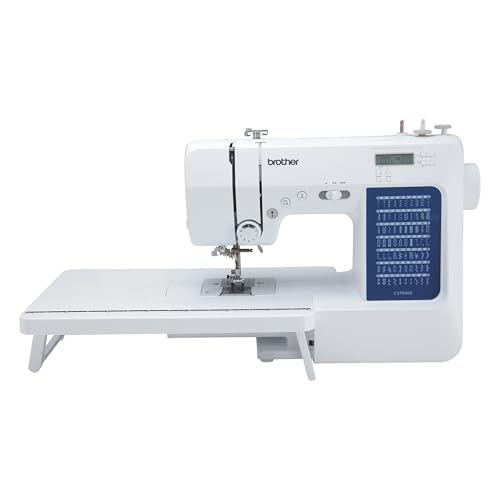
Top pick
Brother CS7000X Computerized Sewing & Quilting Machine
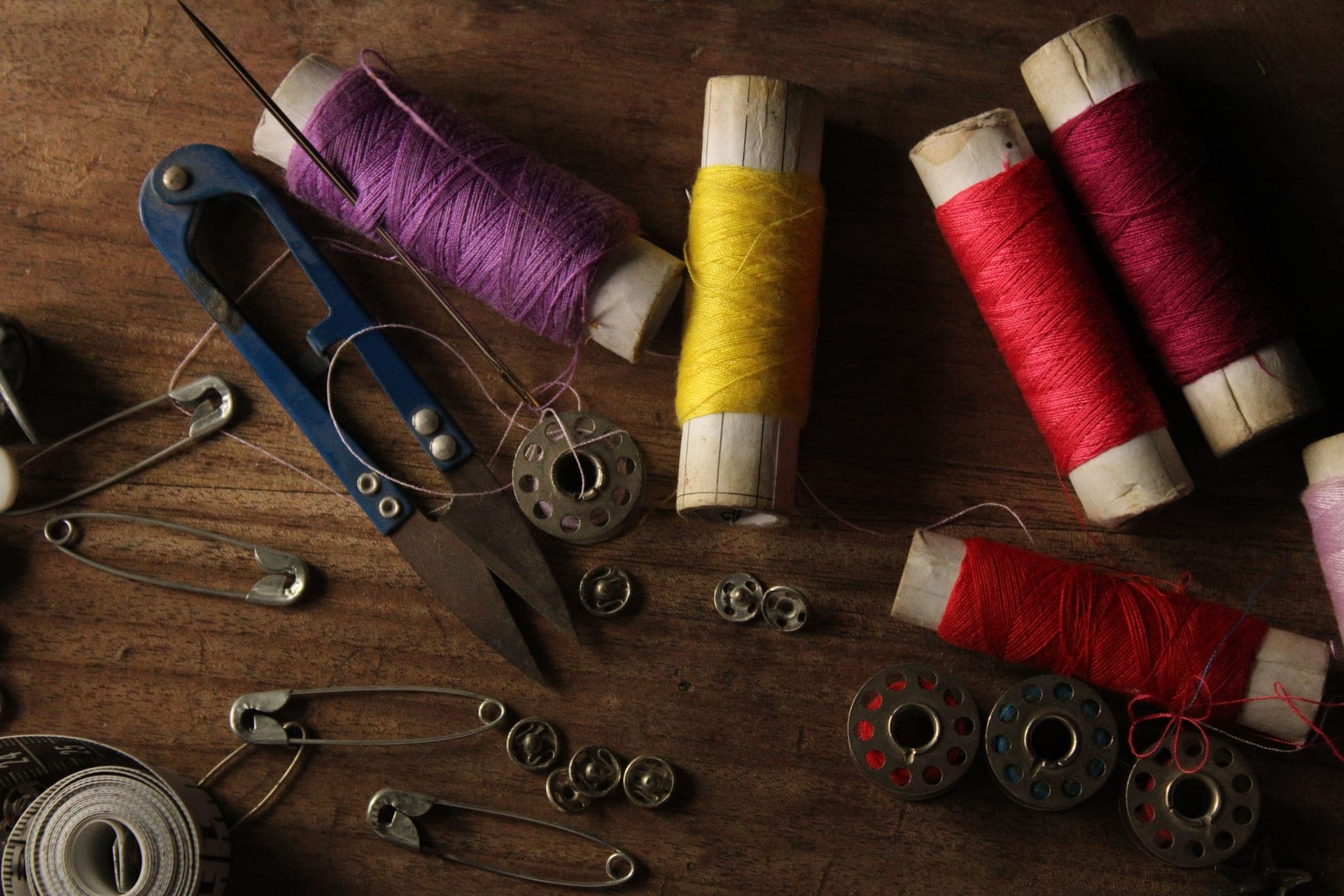
The whole setup
What a first machine costs, what the kit costs, and what the two of them cost together — which is the number nobody in this category will tell you.
Start here
Every page below carries live buy links for its top pick, published specifications for every product, and at least one thing we tell you to skip.
Best overall
Six machines ranked on threading, bobbin, buttonhole and included feet — with the one we say not to buy first.
Top pick
Brother CS7000X Computerized Sewing & Quilting Machine
Best starter kit
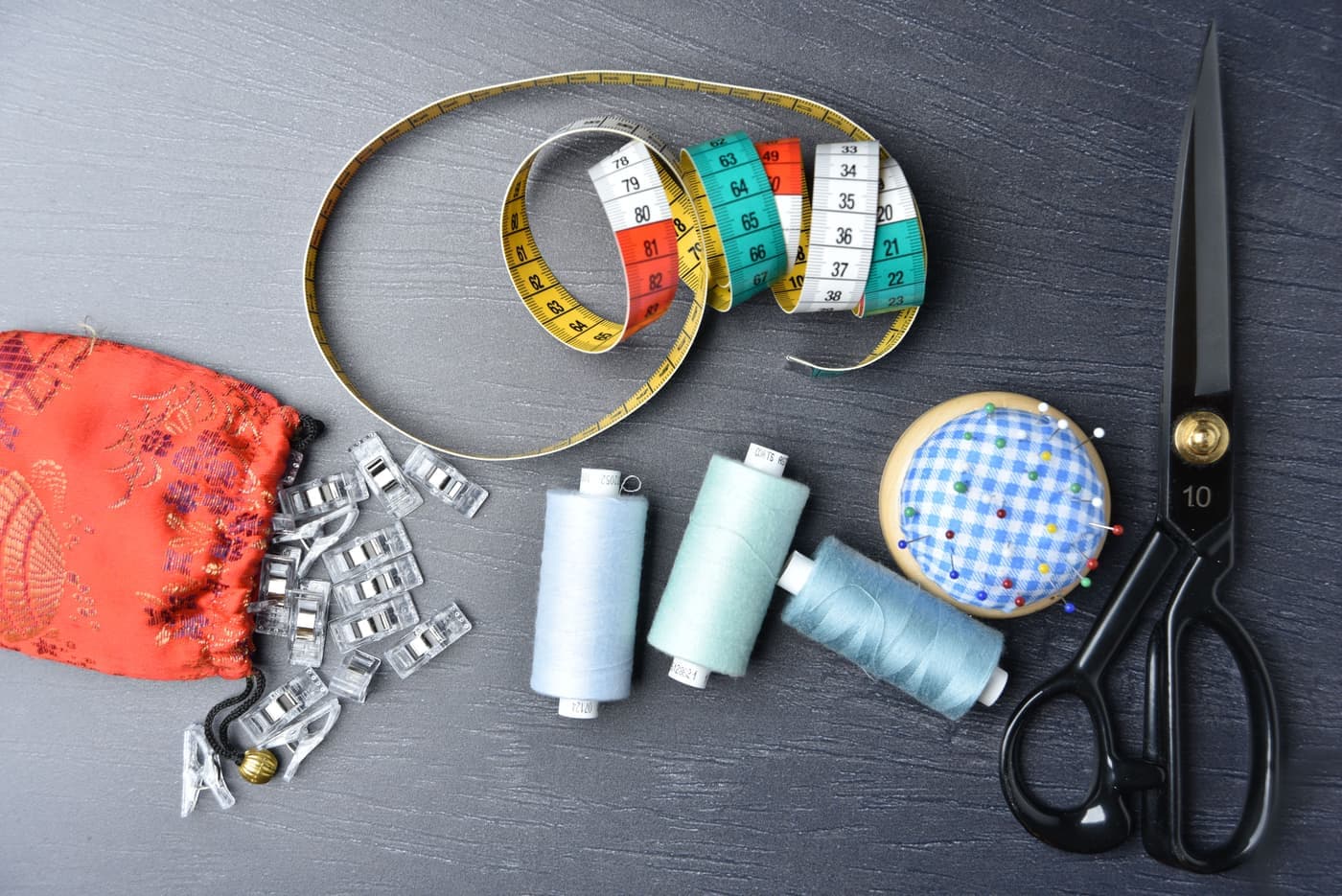
Built backwards from the carton contents the manufacturers publish, so you buy the gaps rather than duplicates.

Top pick
Universal machine needles, 80/12 and 90/14
#ad affiliate link · price as of October 17, 2026
Best entry tier
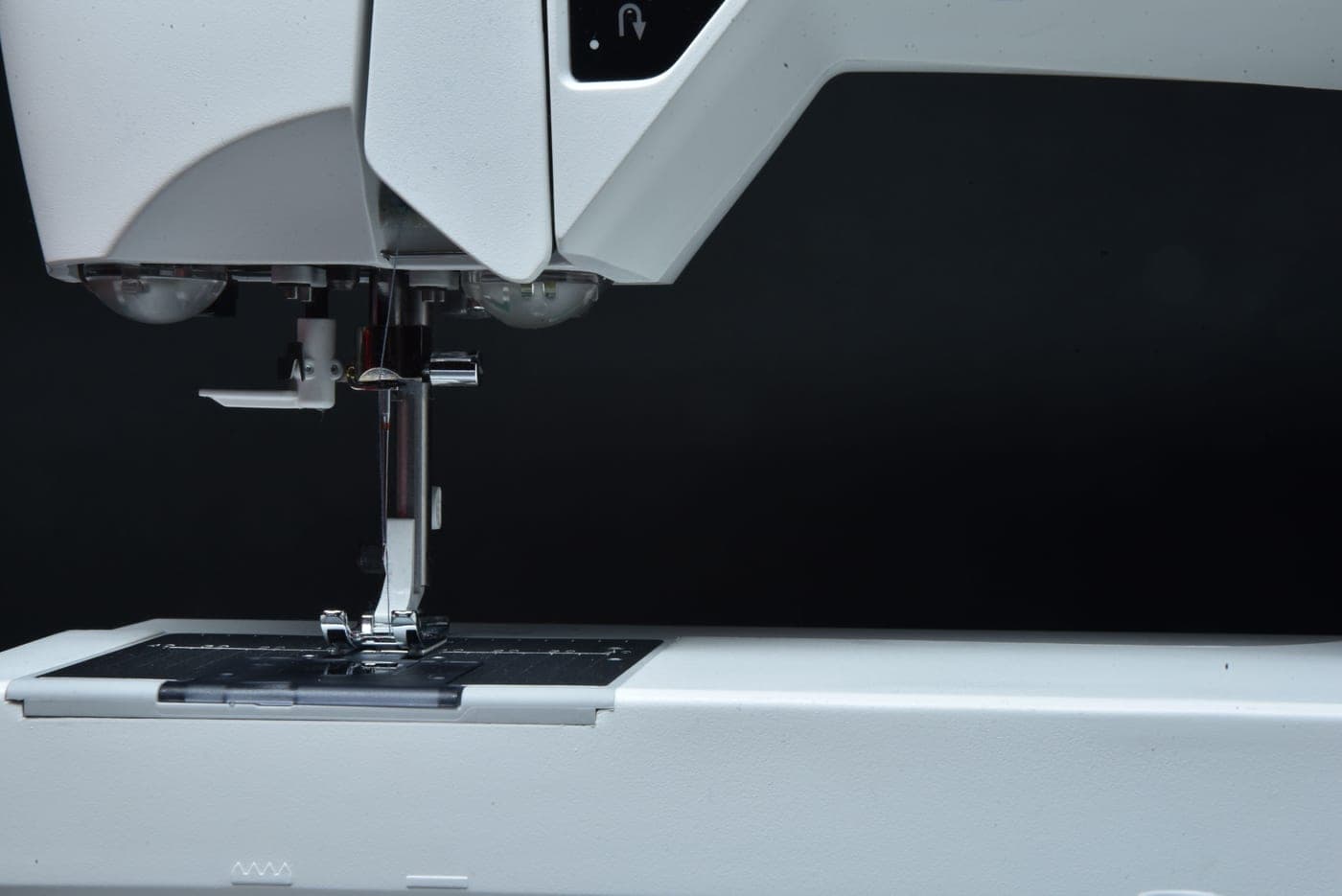
The entry tier, ranked on what the band structurally buys — and the one machine to think twice about.

Top pick
Brother XM2701 Sewing Machine
#ad affiliate link · price as of October 17, 2026
Machine type
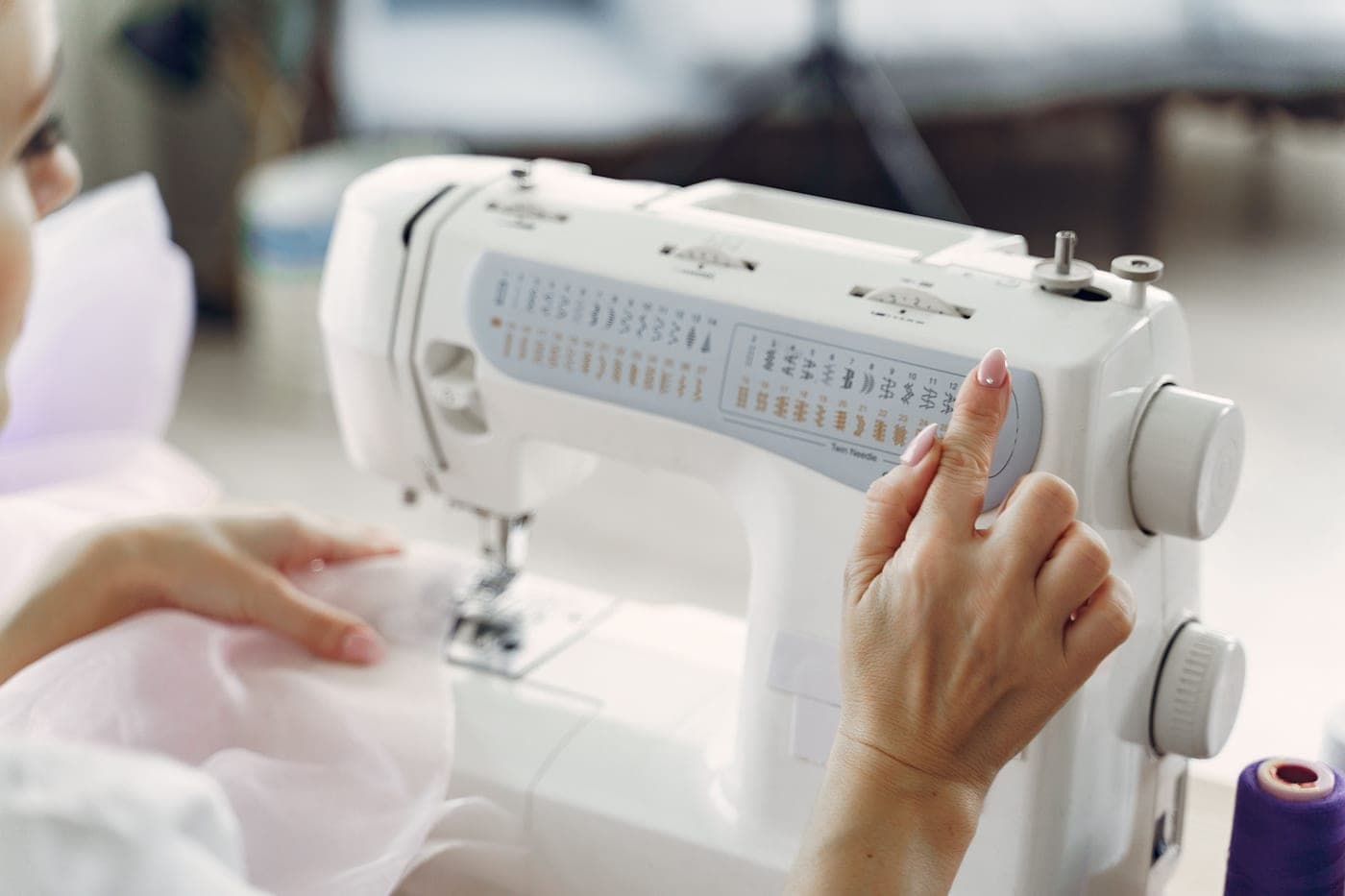
What a computerized machine really buys you, and why the answer is mostly presser feet rather than electronics.
Top pick
Brother CS7000X Computerized Sewing & Quilting Machine
Before you buy
Every sewing machine roundup on the internet ends at the machine. You read six of them, you settle on a model, you order it, and about four days later you discover that you cannot start — because you do not have thread, you do not have the right needle for your fabric, you have three bobbins and you need five, and the pattern you bought assumes a quarter-inch foot your machine did not come with.
That gap is why this site exists. A first sewing setup is a machine plus a kit, and the kit is not optional. So every page here prices both, and the pages that recommend a machine also tell you exactly which accessories that specific machine already includes — because the answer changes the total by a lot more than most people expect.
Most buying advice starts with stitch count. Stitch count is close to irrelevant for a first year of sewing: you will use a straight stitch, a zigzag, a buttonhole and a stretch stitch, and everything else is decoration. These are the questions that decide whether you enjoy the machine.
We sort machines into three tiers, and we do not print a price we cannot verify at the moment you read it — every figure on a buy button is pulled live from Amazon, and where a live figure is missing you see 'Check price' rather than a number we remembered. What we can tell you is what each tier structurally contains.
The mending tier. A mechanical machine with a small stitch library, four presser feet and, usually, manual needle threading. This is the right buy if the honest answer to 'what will I sew?' is hems, seams, a curtain and a school costume once a year. It is the wrong buy if you think you will make a garment, because the four-step buttonhole and the missing feet will stop you. The Brother LX3817 is the reference machine for this tier.
The first-real-machine tier. A mechanical or entry computerized machine that keeps the automatic threader and the drop-in bobbin, sews a one-step buttonhole, and gives you six to eight feet. This is where most first-time buyers should land. The Brother XM2701 is the mechanical version of this tier; the Brother CS7000X and XR9550 are the computerized versions and buy back the presser feet.
The known-purpose tier. A machine bought because you already know what you want to make. If that is quilts, you want a walking foot, a quarter-inch foot and drop feed, which is the CS7000X's argument. If it is clothes, you want buttonhole styles and an overcasting foot, which is the XR9550's. If it is denim and canvas, you want a metal frame and adjustable presser foot pressure, which is the SINGER Heavy Duty 4423's.
Here is the single most useful thing on this page. Before you buy any accessory kit, read the carton contents your manufacturer publishes. Brother ships the CS7000X with a needle set, a ball point needle, a twin needle, three bobbins, a cleaning brush, a seam ripper, a screwdriver, an eyelet punch and a hard cover. Singer ships the M1500 with an all-purpose foot, a zipper foot, a buttonhole foot, a darning plate, a pack of needles, Class 15 bobbins, a screwdriver and a seam ripper. You do not need to buy any of that again.
What you genuinely need to add is short: a second pack of universal needles in 80/12 and 90/14, more of the correct bobbin class for your machine, all-purpose thread in the colors you will use, fabric shears you do not cut paper with, and pins. Then, and only if the project calls for it, the specific presser foot your machine lacks. Our starter kit roundup is built exactly that way — around what each machine did not come with, rather than around a bag of duplicates.
If you want the short answer, read the beginner machine roundup — it ranks six machines on the criteria above and names one to skip. If you want the arithmetic first, what it costs to start sewing walks the whole total, machine and kit, at three budgets. If you already have a machine and it is misbehaving, the troubleshooting guide will probably fix it in ten minutes, and the fix is usually free.
Answers
Elsewhere on the site