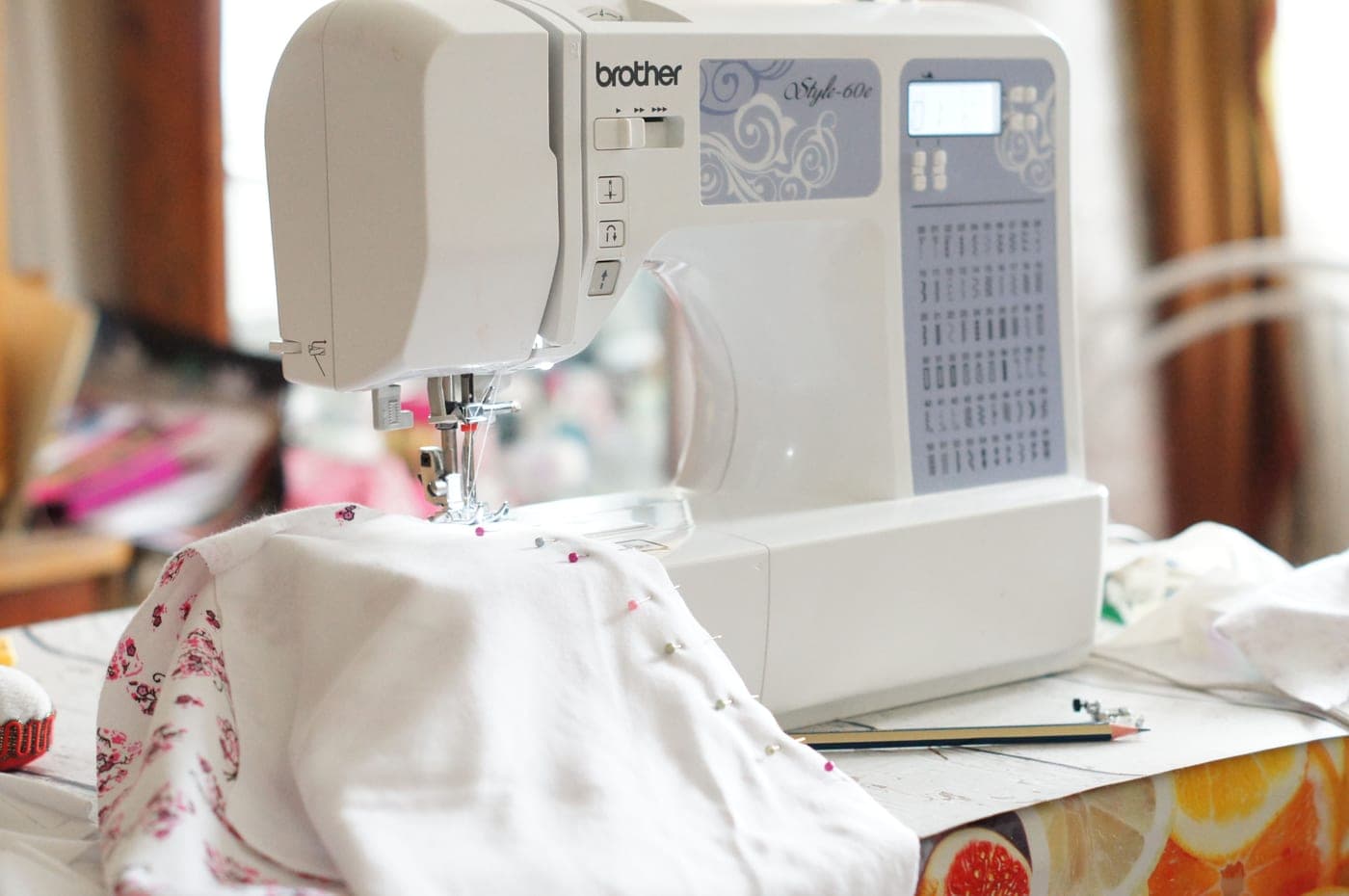
Best overall
The best sewing machines for beginners
Six machines ranked on threading, bobbin, buttonhole and included feet — with the one we say not to buy first.
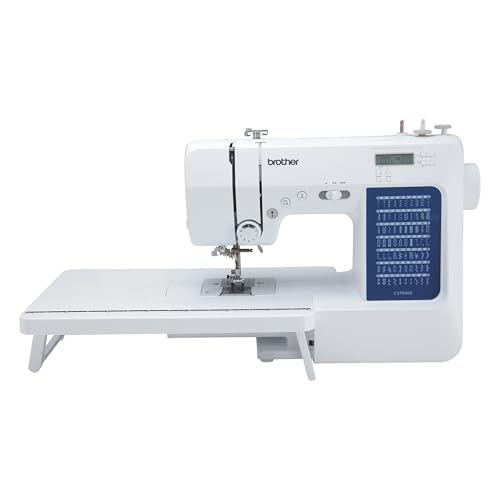
Top pick
Brother CS7000X Computerized Sewing & Quilting Machine
The roundups
Ranked roundups by budget, by what you want to make, and by the kit each machine leaves you needing. Every list names one pick to skip.
Start here
Every page below carries live buy links for its top pick, published specifications for every product, and at least one thing we tell you to skip.
Best overall
Six machines ranked on threading, bobbin, buttonhole and included feet — with the one we say not to buy first.
Top pick
Brother CS7000X Computerized Sewing & Quilting Machine
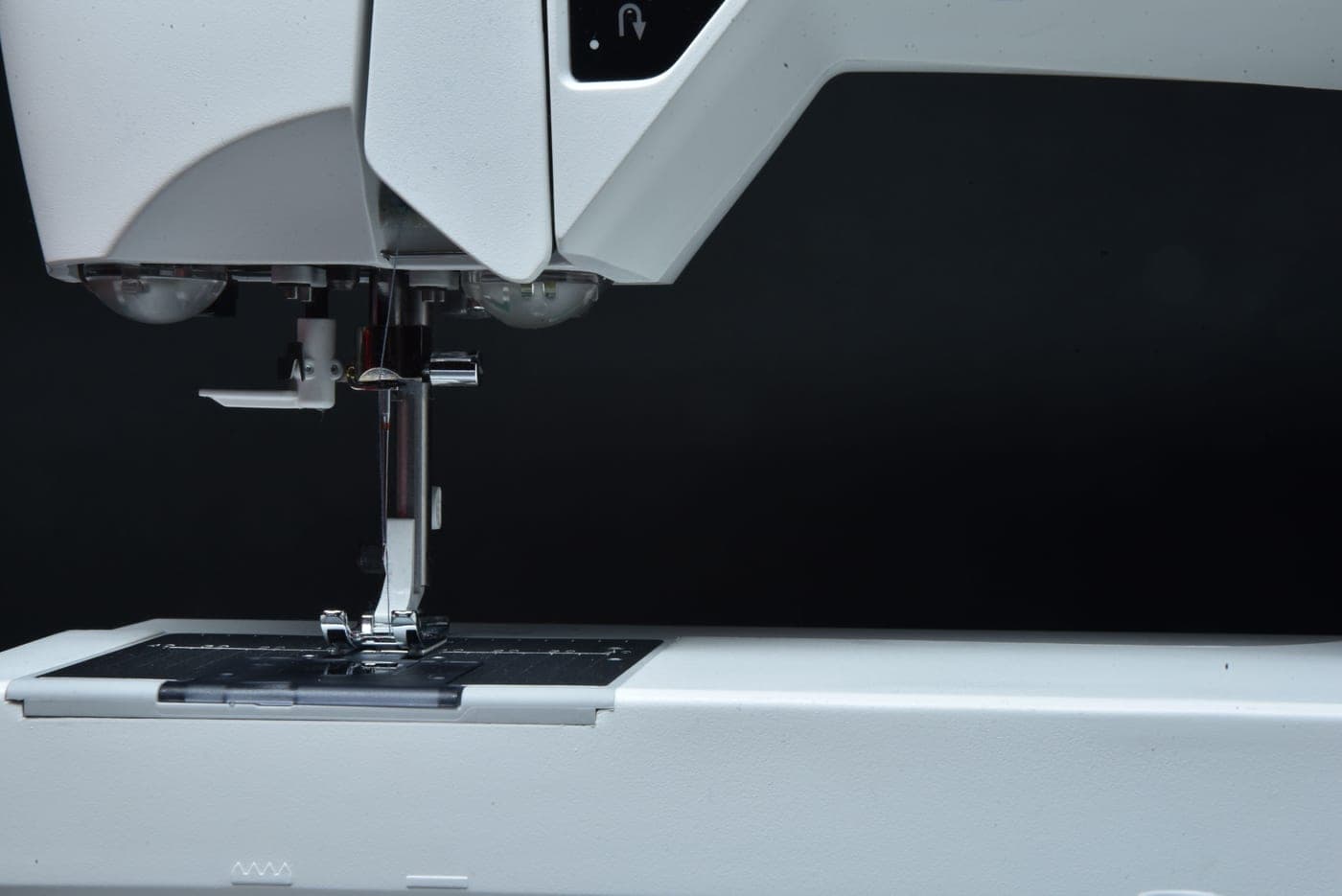
Best entry tier
The entry tier, ranked on what the band structurally buys — and the one machine to think twice about.

Top pick
Brother XM2701 Sewing Machine
#ad affiliate link · price as of October 17, 2026
Best under $500
Every machine we cover fits this budget, so the ranking is about what you want to make rather than what you can afford.
Top pick
Brother CS7000X Computerized Sewing & Quilting Machine
Best starter kit
Built backwards from the carton contents the manufacturers publish, so you buy the gaps rather than duplicates.

Top pick
Universal machine needles, 80/12 and 90/14
#ad affiliate link · price as of October 17, 2026
Best beginner kit
What a pre-built bundle genuinely saves you, what it always leaves out, and the bundle we tell you to avoid.
Top pick
Universal machine needles, 80/12 and 90/14
#ad affiliate link · price as of October 17, 2026
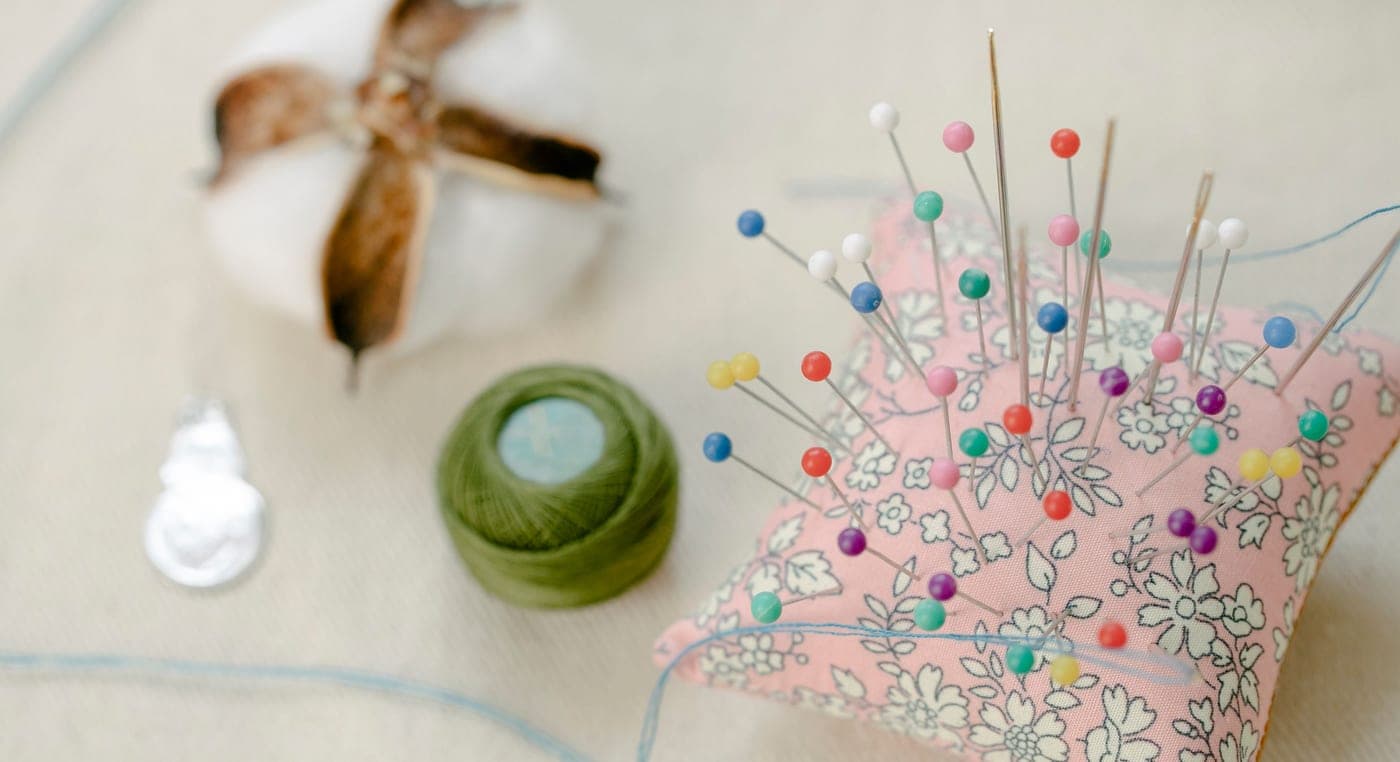
Best needles
Six needle types with SCHMETZ's published sizes and uses, and a straight answer about which two you need first.
Top pick
Universal machine needles, 80/12 and 90/14
#ad affiliate link · price as of October 17, 2026
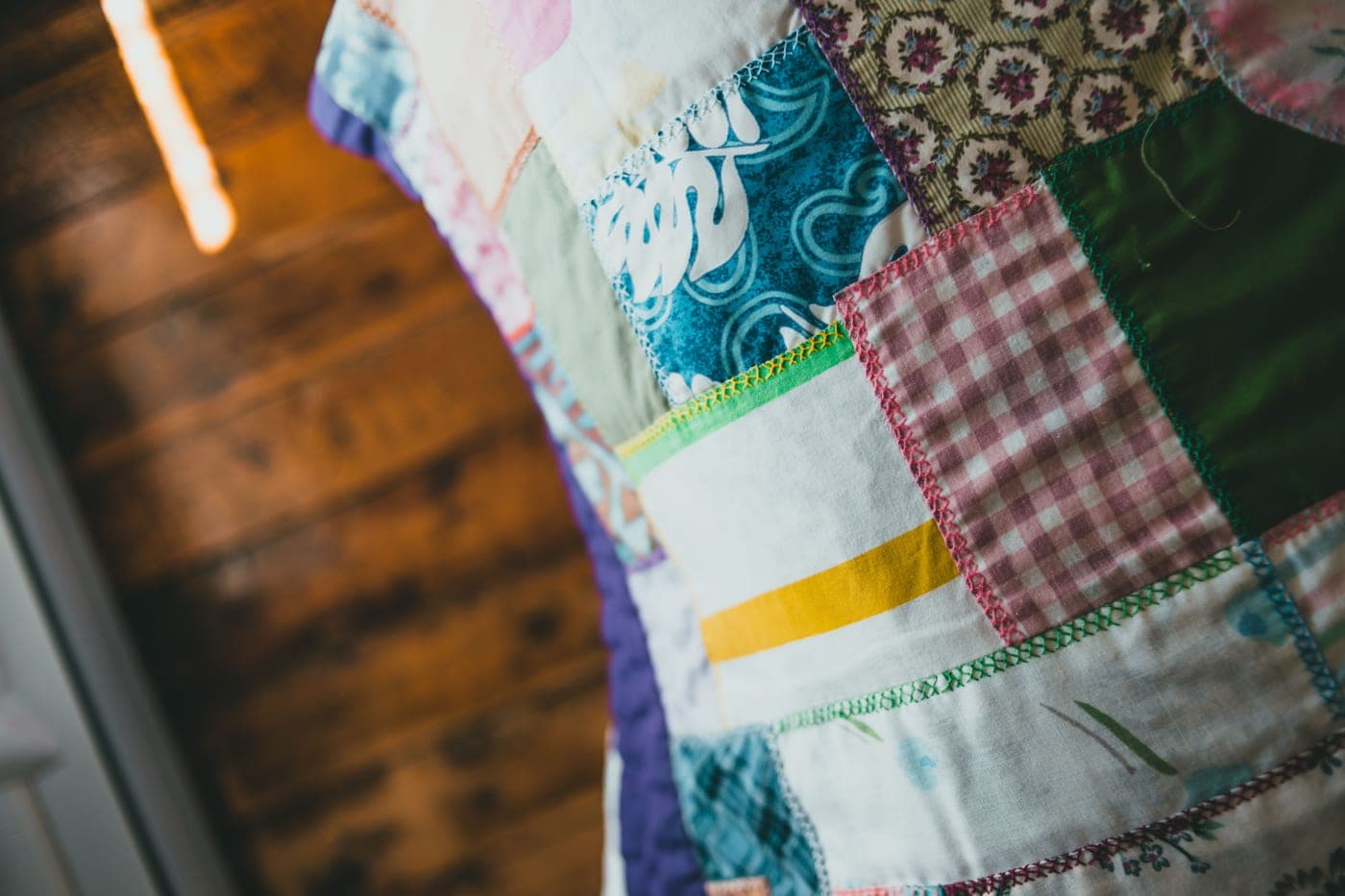
Best for quilting
The three specifications that decide quilting, and the two machines plus three accessories that satisfy them.
Top pick
Brother CS7000X Computerized Sewing & Quilting Machine
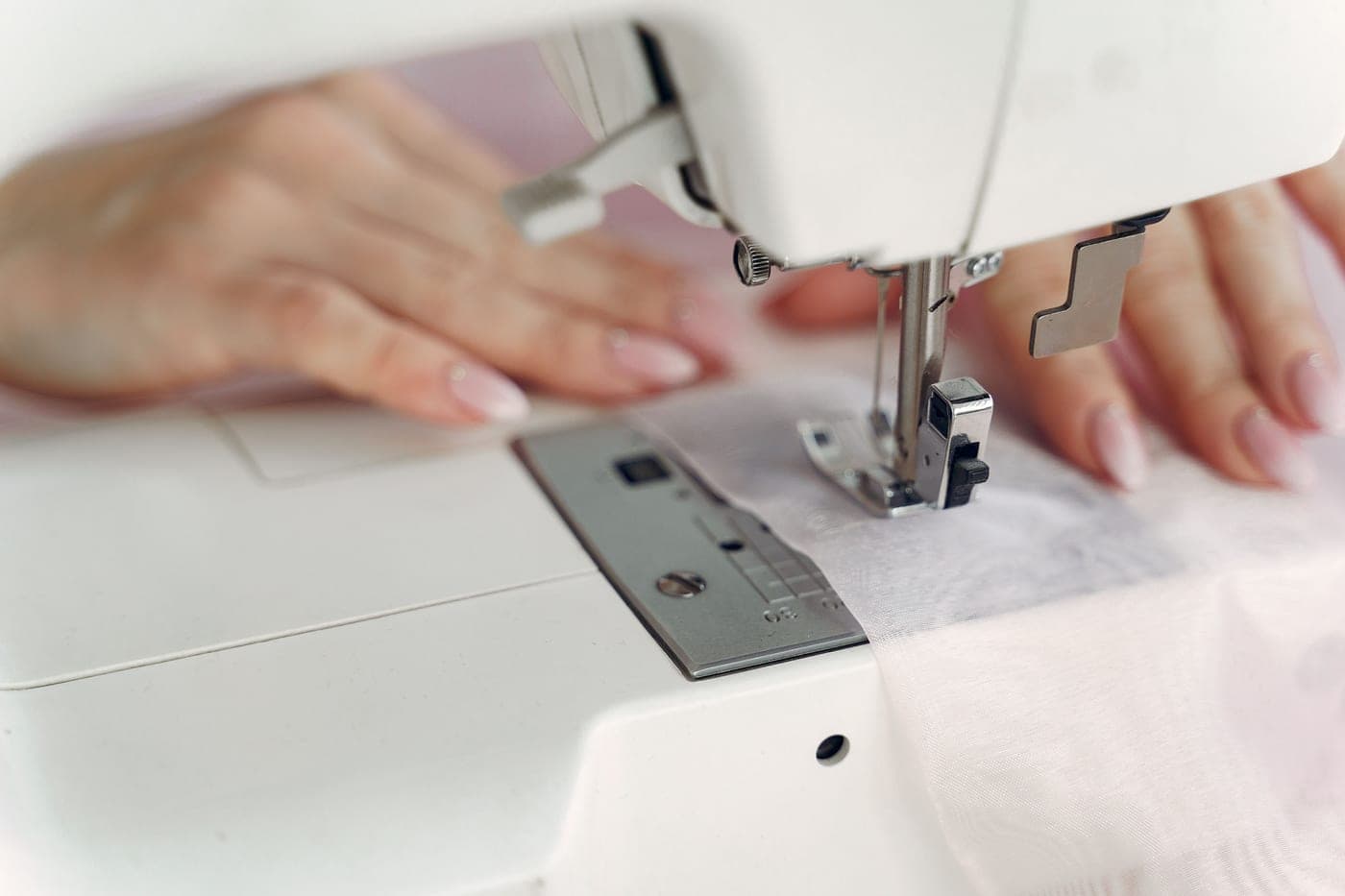
Best for clothes
Buttonhole styles, an overcasting foot and a blind hem foot — the three published specs that decide garment sewing.

Top pick
Brother XR9550 Computerized Sewing & Quilting Machine
#ad affiliate link · price as of October 17, 2026
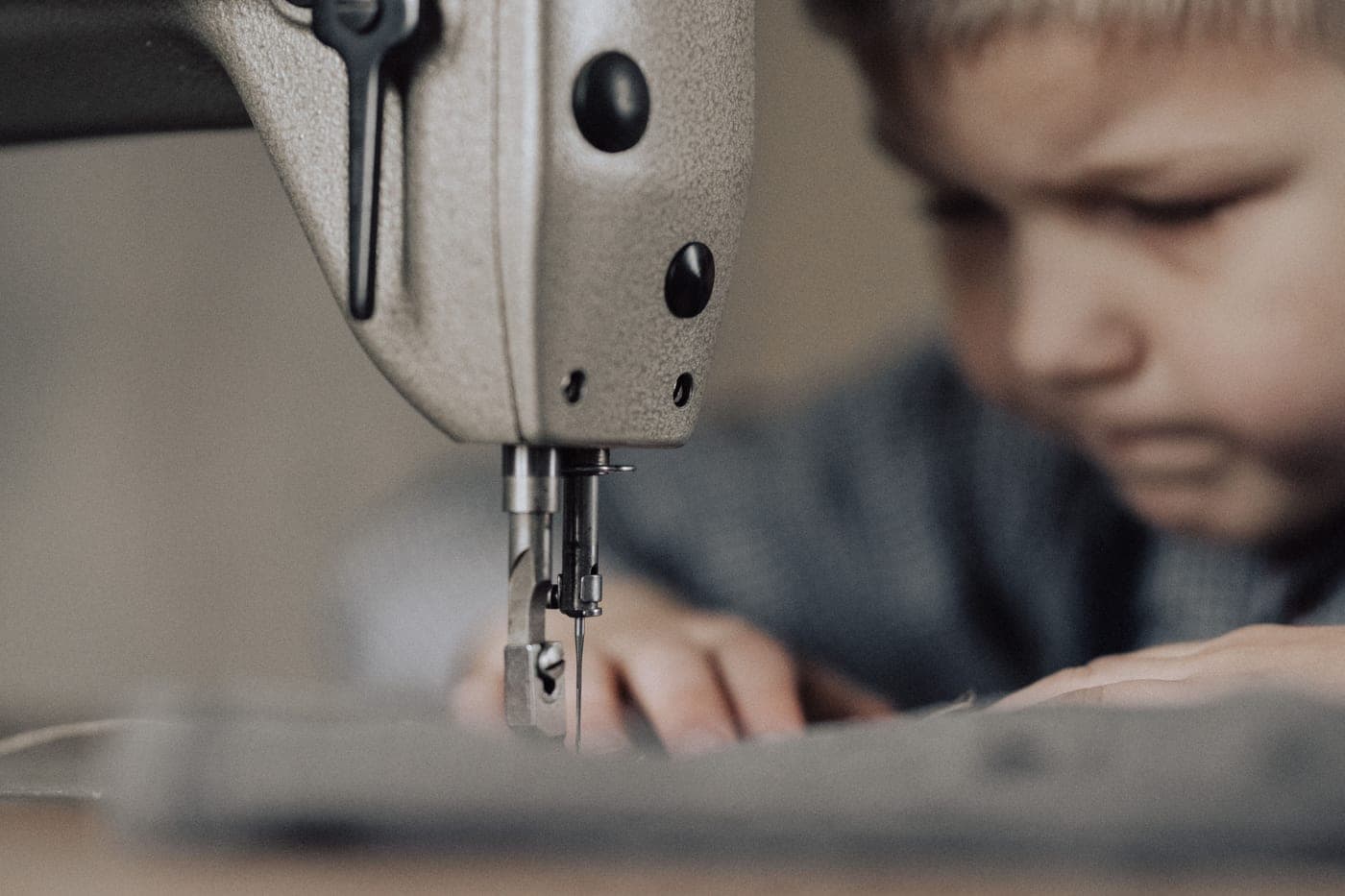
Best for kids
Real machines ranked on speed control, weight and threading - and why the mini machine sold for kids is the one to skip.
Top pick
Brother CS7000X Computerized Sewing & Quilting Machine
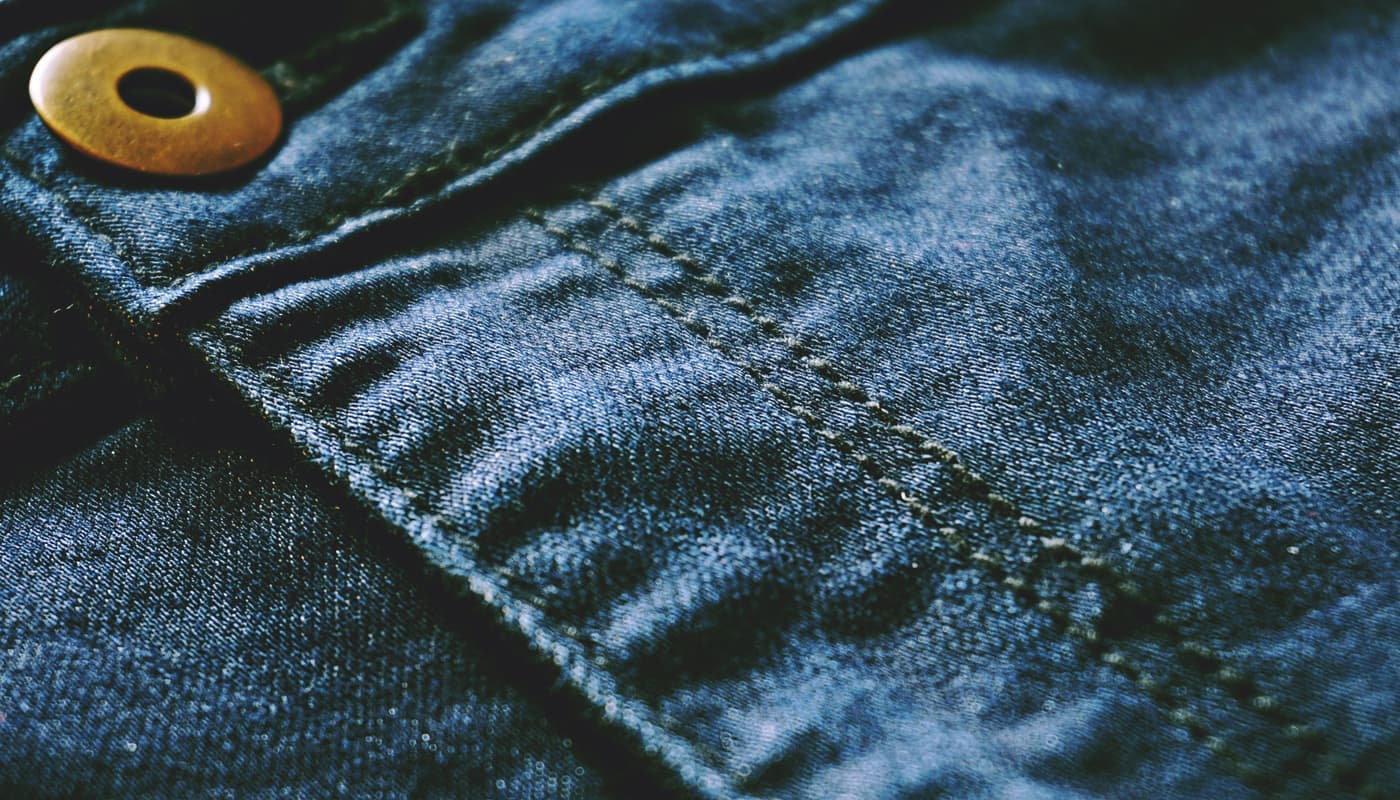
Best for denim
Ranked on presser foot pressure, feed dog design and frame material - the three things that actually move thick fabric.
Top pick
SINGER Heavy Duty 4452 Sewing Machine
#ad affiliate link · no live price for this item
Best for leather
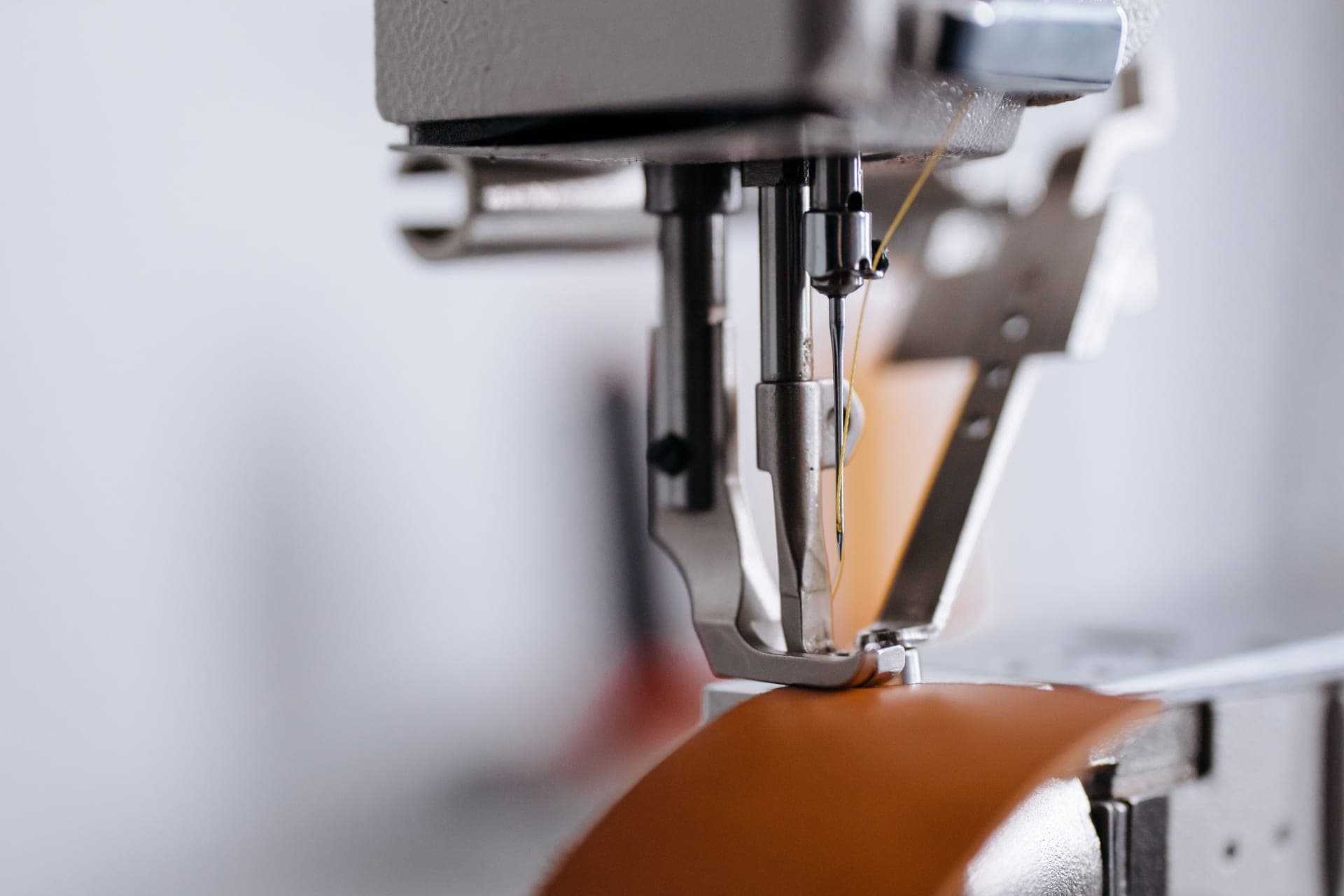
Leather will not slide under a metal foot. Ranked on pressure dial, non-stick foot and needle — plus the limit no home machine passes.
Top pick
SINGER Heavy Duty 4452 Sewing Machine
#ad affiliate link · no live price for this item
Best step up
What actually limits an improving sewer — and the machines that remove that limit, ranked by which limit you hit.
Top pick
Brother XR9550 Computerized Sewing & Quilting Machine
#ad affiliate link · price as of October 17, 2026
Best for alterations
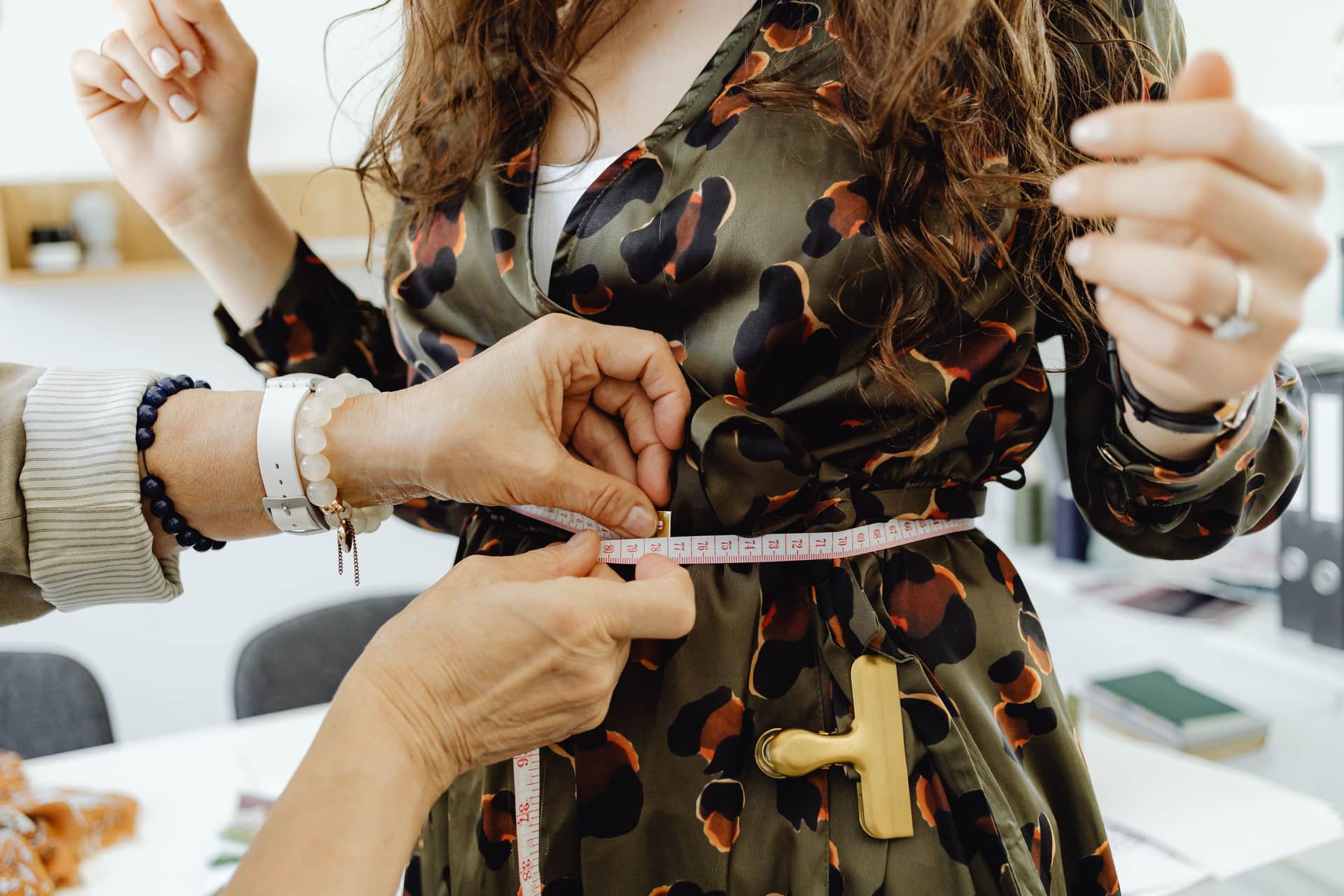
Hems, zips, taking in seams and buttons — ranked on free arm, blind hem, buttonhole range and thick-seam feeding.

Top pick
Brother CS5055 Computerized Sewing Machine
Best Brother
Fourteen Brother machines on one page, ranked by the job you are buying for — with same-day list prices and the one to skip.
Top pick
Brother CS7000X Computerized Sewing & Quilting Machine
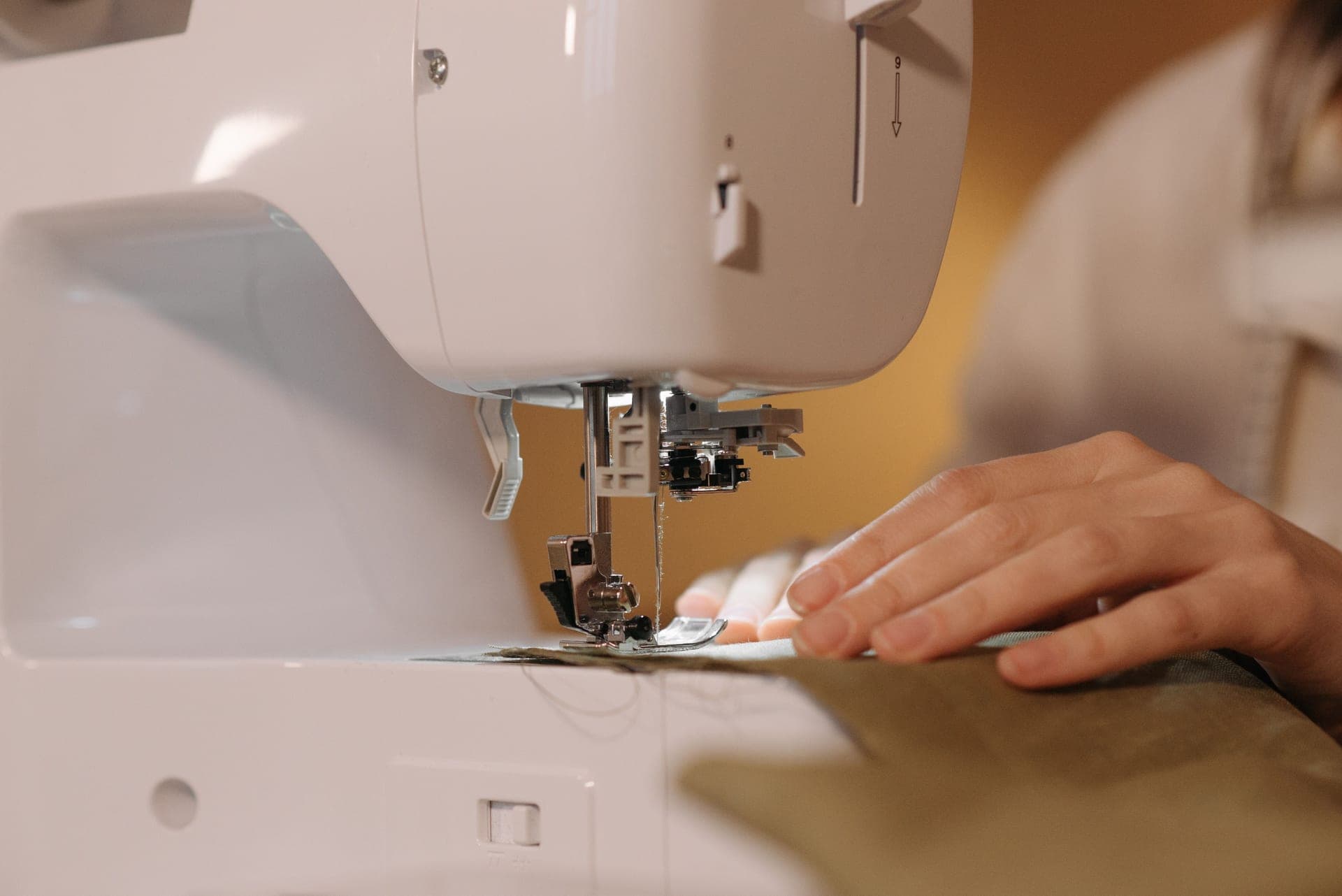
Best lightweight
Every machine we cover ranked by published weight — and why the case matters more than the pound or two between them.
Top pick
Brother CS7000X Computerized Sewing & Quilting Machine
Best for cosplay
Costumes mix spandex, satin, vinyl and canvas in one build — ranked on stretch stitches, feeding and the needles each fabric needs.

Top pick
Brother CS7205 Computerized Sewing Machine
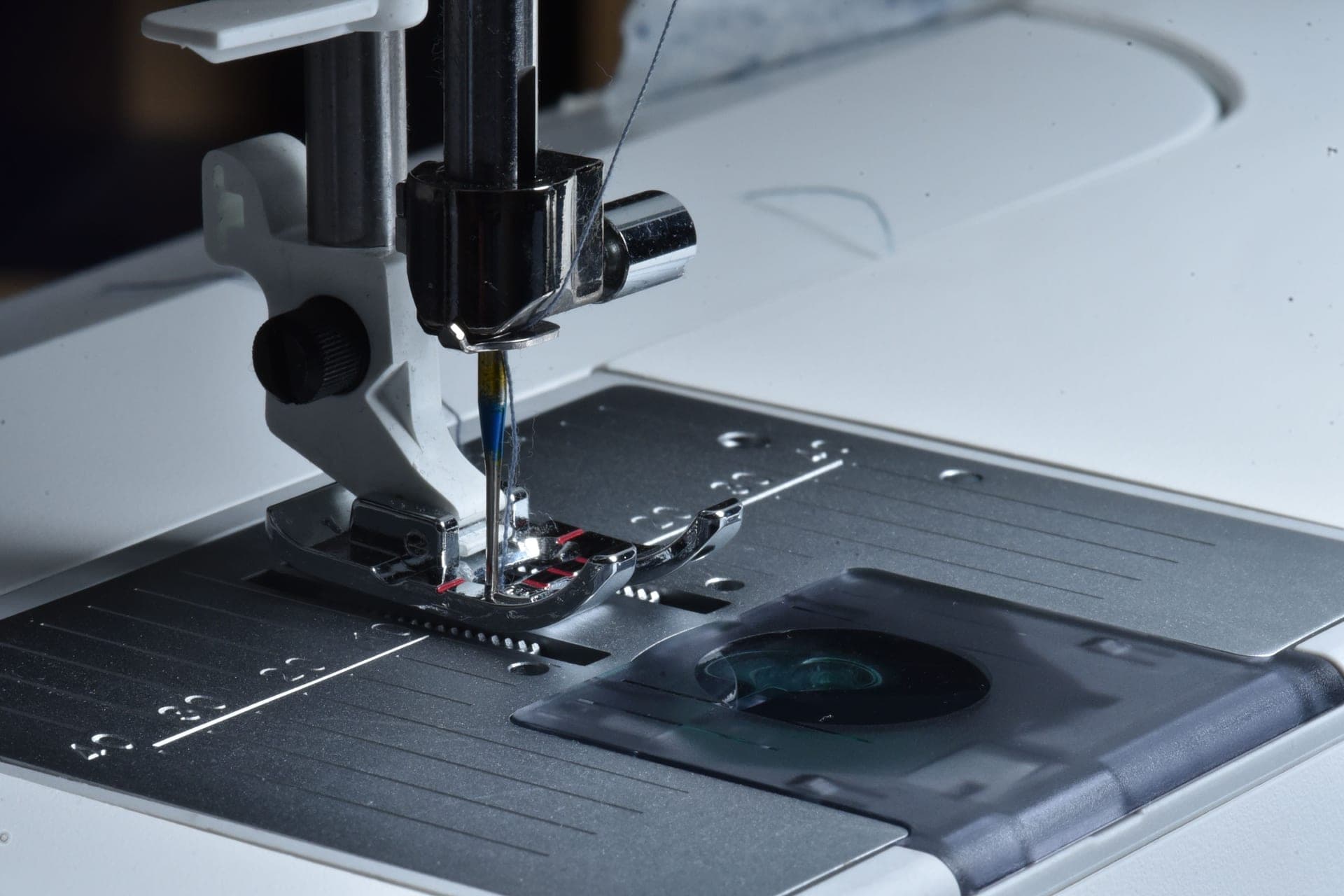
Best SINGER
Five SINGER machines with same-day list prices and stock counts. The Heavy Duty ladder is inverted: the weakest model lists highest.
Top pick
SINGER Heavy Duty 4452 Sewing Machine
#ad affiliate link · no live price for this item
A roundup is only worth reading if you can see how it was built. Ours are built from three things and nothing else: the manufacturer's own published specification for every machine, a scoring formula we publish in full, and a live price pulled from Amazon at the moment you load the page. There is no test bench behind any of it and we say so on every page.
There are three ways a person shops for a first machine, and there is a roundup for each of them.
By budget. Most people arrive with a number rather than a project. Sewing machines under $200 and under $500 sort by what a tier structurally buys you — the threading system, the bobbin, the buttonhole type and the presser feet — because those are what change between price bands. The stitch count barely does anything.
By project. If you already know you want to quilt, the machine that wins is different: sewing machines for quilting beginners weighs a walking foot and drop feed above stitch library, and sewing machines for clothes weighs buttonhole styles and an overcasting foot above both. Sewing machines for denim weighs presser foot pressure and feed dog design above everything, because thick fabric is a feeding problem rather than a power one.
By who is sewing. Sewing machines for kids reranks the same field entirely, because a child needs a speed limiter and a machine they can lift far more than they need a stitch library — and it names the whole category we tell you to avoid. Sewing machines for intermediate sewers does the same in the other direction: it starts from what your current machine has stopped you doing, because 'intermediate' is a stage rather than a specification.
By weight. The best lightweight and portable sewing machines ranks every machine we cover by the weight its manufacturer publishes — the whole field spans just 10 to 14.6 lb — and is blunt about how much work the word 'portable' is doing in this category. Sewing machines for cosplay is the other new one: a costume mixes spandex, satin, vinyl and canvas in a single build, so it ranks on range rather than on any one fabric.
By brand. The best Brother sewing machines puts all ten Brothers we cover on one page with same-day list prices, because Brother's model numbers do not tell you what changes between them and the price order does not track the carton contents. It names the one to skip, and it is explicit about which machines are absent and why.
By material and by job. Two lists rank on the awkward cases rather than the general one. Sewing machines for leather ranks on the non-stick foot, the pressure dial and the needle — leather is a friction problem, not a strength one — and it is honest about the weight of hide no domestic machine will sew. Sewing machines for alterations ranks on the free arm, the blind hem and the ability to climb a thick seam, because altering a finished garment is a different job from making one.
By kit. This is the one nobody else does. The starter kit roundup is organized around what your machine did *not* come with, beginner sewing kits covers the pre-built bundles and what they leave out, and sewing machine needles covers the single most under-bought consumable in the category.
Ten machines, all currently sold, all with a published manufacturer specification we could read: the Brother CS7000X, Brother XR9550, Brother XM2701, Brother GX37, Brother XM1010, Brother LX3817, Brother ST150HDH, SINGER M1500, SINGER Heavy Duty 4423 and SINGER Heavy Duty 4452.
Two machines that appear on competitors' beginner lists are deliberately absent, and it is worth saying why: a machine we recommend has to be one you can actually buy. Dealer-only and discontinued models fail that test however good they are, so they do not appear here. A pick whose buy button cannot exist is not a pick.
Because it is the cheapest honest signal available to a site like this one. Every product on this page is one we could earn a commission from. Naming the one we think you should not buy costs us that commission and tells you more about how the list was made than any badge could. It is also, in our experience of reading this category, the thing no competitor does.
The skip is usually not a bad product — it is a product bought for the wrong reason. The 100-piece accessory kit that appears in our kit roundups is the clearest example: it is cheap, it is popular, and most of what is in it is already in the box your machine arrived in.
Two roundups rank a single maker's range against itself, which is the comparison the marketing copy never makes for you. The best Brother sewing machines covers eleven machines and finds three places where Brother's price order does not follow its carton contents. The best SINGER sewing machines covers five and finds something stranger: on same-day list prices the Heavy Duty ladder is upside down, with the least capable model in the line listing highest and sold out on SINGER's own store, while the best-equipped one is the cheapest.
Answers
Elsewhere on the site