Stitch & Selvage earns a commission when you buy through the links on this page, at no extra cost to you. It does not change what we recommend, and we publish a skip-this verdict on products we could otherwise earn from. Full disclosure.
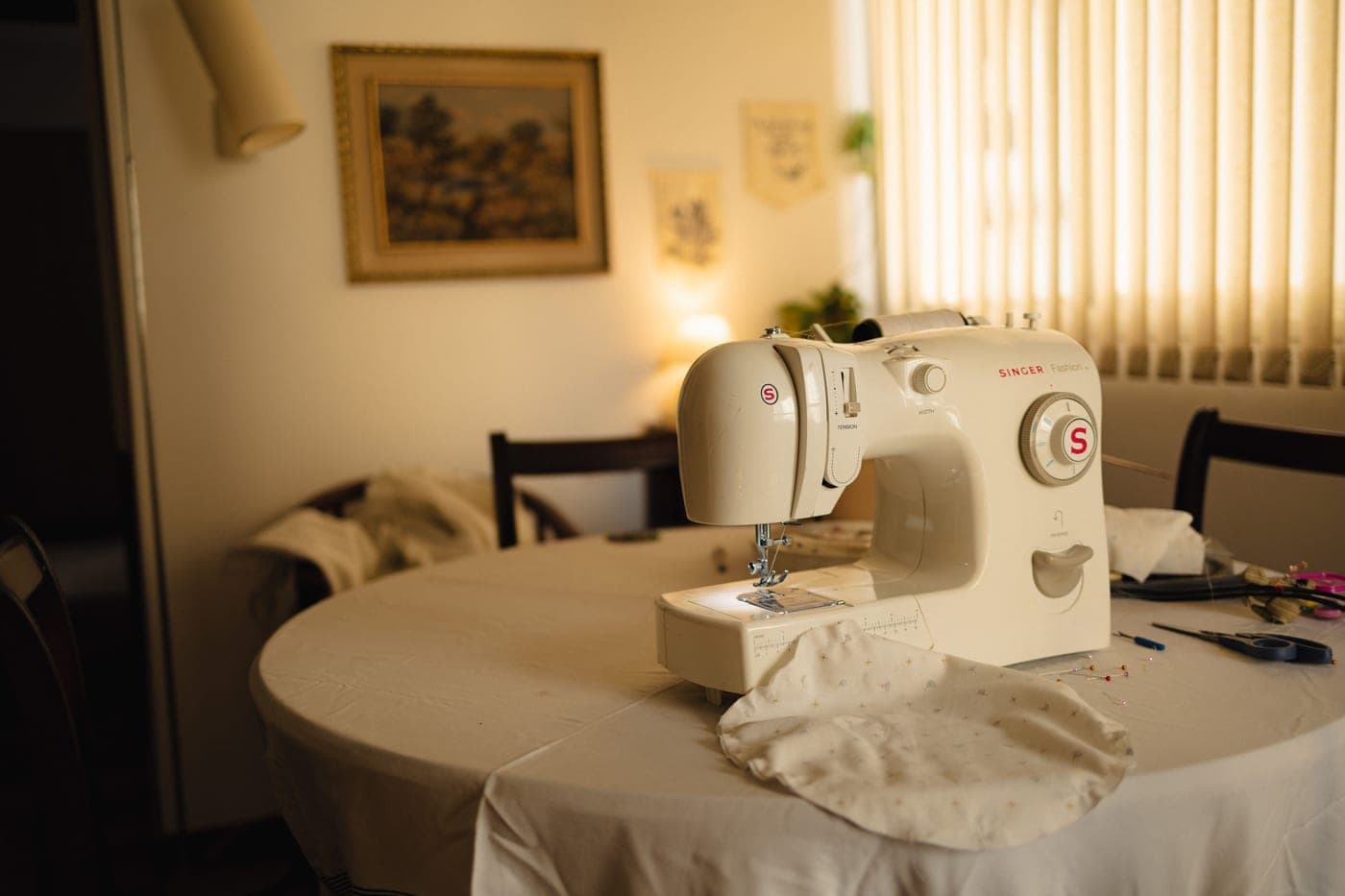
The Brother XM1010 is the cheapest full-size machine in Brother's range at a $139.99 list price. It keeps the jam-resistant quick-set drop-in bobbin, a free arm, an LED work area and a 25-year limited warranty. It gives up automatic needle threading — Brother lists it as manual — and that is the one specification we would least willingly lose.
The ranking
Quick picks
Ranked against the published criteria below. Tap a row to jump to the full write-up; the price button goes straight to Amazon.
The smallest honest budget
Brother XM1010 Sewing Machine
Ten stitches, four presser feet and manual needle threading — a genuinely capable mending machine at the bottom of Brother's range, and a machine you will thread by eye every time.
Brother describes the XM1010 as a lightweight, affordable machine for everyday sewing and mending, and that is an accurate description rather than marketing. Ten utility and decorative stitches on a dial, a tension control dial, a reverse lever, four presser feet, a free arm and an LED work area. For taking up a hem, fixing a seam and running a curtain, that is the correct amount of machine.
It keeps the part that matters most: a jam-resistant quick-set drop-in top bobbin with a clear-view cover, so you can see how much thread is left without unthreading anything. Brother also puts four bobbins in the box rather than the usual three, along with a darning plate and a 3-piece needle set.
The catch is one line on the specification page: needle threading, manual. You will be pushing a thread end at a hole under the machine arm every time you change color or replace a needle. Some people find that trivial. Many people, particularly anyone whose close vision is not what it was — or a child working without much patience — do not.
That matters more here than usual because of what sits ten dollars above it. Brother lists the GX37 at $149.99 with an automatic needle threader, a one-step buttonhole, six presser feet and a dust cover. On published specification alone that is the better buy, and the gap is the smallest meaningful upgrade anywhere in Brother's range.
We have not sewn on this machine. Every figure above is from Brother's own product page, read on 3 September 2026.
What works
- Keeps the jam-resistant quick-set drop-in bobbin with a clear-view cover — the more consequential of the two convenience features
- Four bobbins in the box rather than the usual three, plus a darning plate and a 3-piece needle set
- An automatic bobbin winding system and a free arm for hems and cuffs
- Brother publishes a 25-year limited warranty on it
- Ten stitches printed on a dial is genuinely hard to get lost in
What does not
- Manual needle threading. Brother's own specification says so, and it is the feature we would least willingly give up
- Ten stitches runs out the moment you move past mending
- Four presser feet, with no blind stitch or narrow hemmer foot
- At $139.99 it sits only ten dollars below the GX37, which adds an automatic threader, a one-step buttonhole, two more feet and a dust cover
The kit it pairs with: A standalone needle threader tool, which is a wire loop on a handle and largely solves this machine's biggest weakness for very little.
What it keeps, which is more than the price suggests
Brother's own description is accurate rather than promotional: a lightweight, affordable machine for everyday sewing and mending. Ten utility and decorative stitches on a dial, a tension control dial, a reverse lever, four presser feet, a free arm and a brightly lit LED work area.
The important survival is the bobbin. Brother has not fitted a cheaper front-loading case here to save money — the XM1010 uses the same jam-resistant Quick-set drop-in top bobbin as machines several times the price, with a clear-view cover so you can see the thread supply without unthreading anything. That is genuinely to its credit, and it is the difference between this machine and the SINGER M1500, which is front-loading.
Two more inclusions worth noting. Brother lists an automatic bobbin winding system, so winding does not fight the needle drive. And the carton contains four bobbins rather than the usual three, plus a darning plate and a 3-piece needle set — a small thing, but three bobbins is genuinely not enough for one garment in two colors plus basting.
The catch, stated plainly
One line on Brother's specification page: Needle Threading System — Manual.
Here is what that means in practice. Every time you change thread color, break a thread, or fit a new needle, you hold a thread end between finger and thumb and push it through a hole about 0.6 mm across, under the machine arm, in whatever light you happen to be sewing in. On a project with two thread colors and a basting pass, that is a dozen times in an evening.
Some people genuinely do not mind. Many people do, particularly anyone whose close vision is not what it was, and a child will simply hand the machine to an adult. It is the single feature whose absence we hear complained about most, and it is why this machine scores where it does on our formula, which weights first-setup ease at 30%.
The machine ten dollars above it
This is the comparison that decides the purchase, so it is worth being direct. Brother lists the GX37 at $149.99 against this machine's $139.99.
Compiled from Brother USA product specification pages, checked 6 September 2026.
We would take the GX37 every time, and we would say so even though both links earn us the same way. There is no dimension on which the XM1010 wins except the ten dollars. If that ten dollars is genuinely the constraint, buy this machine and add a needle threader tool — that is a legitimate outcome, not a consolation.
What ten stitches actually covers
More than the number suggests, and less than you will eventually want. Brother describes the ten stitches as covering blind hems, stretch stitches, buttonholes and zipper insertion, which is the shape of ordinary mending and household sewing.
A beginner uses four stitches — straight, zigzag, buttonhole and a stretch stitch — so ten is not the constraint in a first year. It becomes one the moment you want a decorative finish, an overcasting stitch that mimics a serged edge, or a specific blind hem variant. The four included feet are the sharper limit: zigzag, buttonhole, zipper and button sewing, with no blind stitch foot and no narrow hemmer.
Who this machine is genuinely right for
There is a real buyer here and we would rather name them than talk everyone out of it. If what you want is to take up jeans, replace a zip, fix a split seam, run a curtain hem and make a costume once a year, ten stitches and four feet is the correct amount of machine and paying more buys capability you will not use. The free arm handles cuffs and trouser hems, the drop-in bobbin removes the most common source of beginner tension trouble, and Brother publishes a 25-year limited warranty on it.
The buyer we would steer elsewhere is the one who says *I might get into making my own clothes*. On this machine that ambition meets manual threading, no blind stitch foot, no overcasting foot and a buttonhole Brother does not publish as one-step. Each is surmountable; all of them together is how a machine ends up in a cupboard. Our garment roundup covers what to buy instead.
The kit it needs
More than most machines here. A standalone needle threader tool first — it is the best few dollars you can spend on this specific machine. Then universal needles in 80/12 and 90/14 once the included 3-piece set runs out, and a dust cover, because Brother does not include one and lint in the bobbin race causes the tension problems people cannot diagnose.
You do not need to buy bobbins immediately — four is a genuinely useful starting count. And skip the hundred-piece accessory kit: the darning plate, needle set and bobbins in it are already in your box. Our starter kit roundup works through the gaps machine by machine.
We have not sewn on this machine. We do not own it, there is no test bench here, and we are not going to describe a stitch we never made. What we did instead: read the manufacturer's published specification line by line, cite every figure to the page it came from, and price the whole setup — machine and the kit it still needs — so you know what starting actually costs.
Method
How we picked
- Compiled every specification from Brother's own XM1010 product page, checked 6 September 2026, including the carton contents and the threading system.
- Placed the threading system, buttonhole and presser foot count directly against the GX37 ten dollars above it, because that gap is the entire purchasing decision.
- Scored against the published formula on how we pick — first-setup ease carries 30%, which is why manual threading costs this machine as much as it does.
- Priced live from Amazon. The $139.99 figure is Brother's own published list price, dated, and not necessarily what a retailer charges.
We have not sewn on these machines. There is no test bench here, we do not own them, and we do not accept free product. Everything above is compiled from published manufacturer specifications and live retailer data — and we tell you which is which on every claim. Our full method.
Answers
Questions people ask
Does the Brother XM1010 have an automatic needle threader?
Is the Brother XM1010 good for beginners?
How many stitches does the Brother XM1010 have?
What comes in the box with the Brother XM1010?
Brother XM1010 or GX37?
How much does the Brother XM1010 weigh?
Where this came from
Sources
About the author
Scooter M.
An enthusiast who is genuinely into this. I read the manuals, compile the published specs, and do the arithmetic. No lab coat, no test bench, and no machines I am pretending to have used — which is exactly why every claim here carries a source.
Published by Slate Mill Group. Published September 6, 2026; last updated September 6, 2026. Editorial policy.
Keep reading
Read next
Best budget mechanical
Brother GX37 review: ten dollars buys the feature that matters
37 stitches, an automatic threader, a one-step buttonhole and a dust cover, on the lightest machine Brother publishes.
XM2701 vs GX37
Brother XM2701 vs GX37
Two Brother mechanicals at the same list price — decided by weight, stitch count and what is in the box.
The honest answer
Are cheap sewing machines worth it?
Where the line falls between a bargain and a machine you will fight — three specifications, not a price.
Best for kids
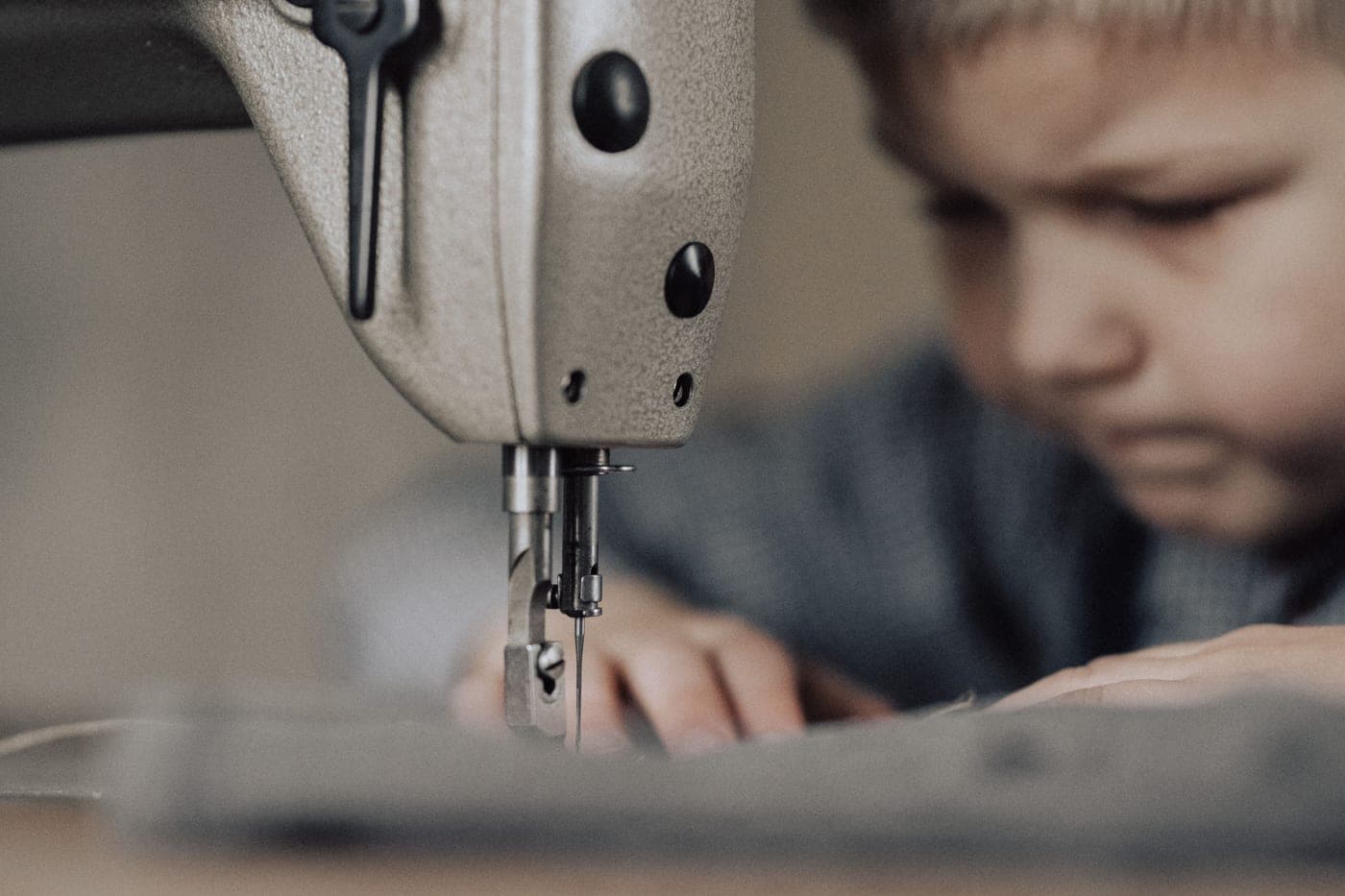
The best sewing machines for kids
Real machines ranked on speed control, weight and threading - and why the mini machine sold for kids is the one to skip.