Stitch & Selvage earns a commission when you buy through the links on this page, at no extra cost to you. It does not change what we recommend, and we publish a skip-this verdict on products we could otherwise earn from. Full disclosure.
For a child, buy a real full-size machine at the bottom of a real manufacturer's range, not the mini machine marketed at kids. The single most useful specification is an adjustable sewing speed control, and of every machine we cover only the Brother CS7000X publishes one. If that is out of budget, the Brother GX37 is the cheapest machine here that still threads its own needle.
The ranking
Quick picks
Ranked against the published criteria below. Tap a row to jump to the full write-up; the price button goes straight to Amazon.
| # | Product | Best for | Score | Price |
|---|---|---|---|---|
| 1 | 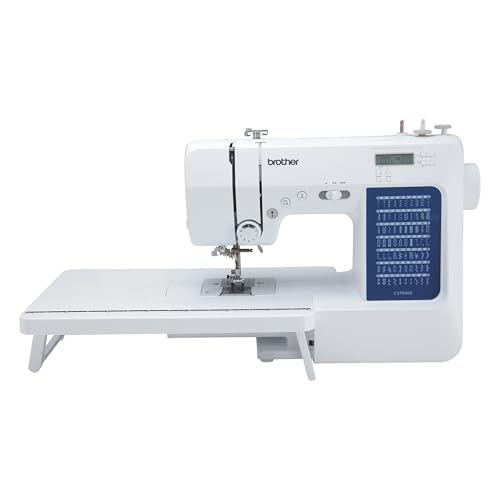 Brother CS7000X Computerized Sewing & Quilting Machine The first machine most beginners should buy | 70 built-in stitches | 9.2/10 | |
| 2 | 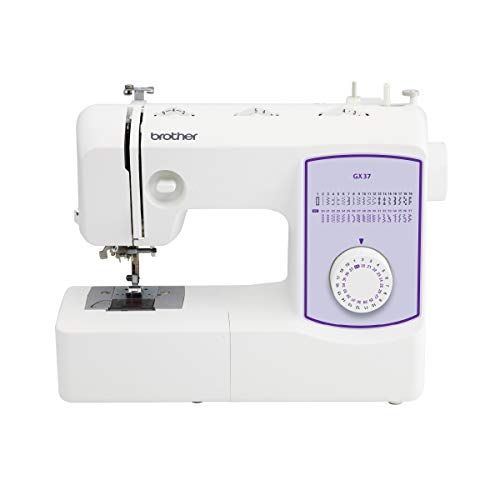 Brother GX37 Sewing Machine The cheapest machine that threads itself | 37 built-in stitches | 8.3/10 | $149.00 on Amazon #ad affiliate link · price as of October 17, 2026 |
| 3 |  Brother XM2701 Sewing Machine The cheapest machine that still threads itself | 27 built-in stitches | 8.0/10 | $149.00 on Amazon #ad affiliate link · price as of October 17, 2026 |
| 4 | No photo SINGER M1500 Sewing Machine The lowest-cost route to a working machine | 6 built-in stitches, 57 stitch applications | 5.7/10 | Check price on Amazon #ad affiliate link · no live price for this item |
| 5 | No photo Brother XM1010 Sewing Machine The smallest honest budget | 10 built-in stitches | 5.6/10 | Check price on Amazon #ad affiliate link · no live price for this item |
| 6 | No photo The battery-powered mini 'kids' sewing machine Nothing we can recommend Our skip-this pick | Our skip-this pick | 2.9/10 | Check price on Amazon #ad affiliate link · no live price for this item |
The first machine most beginners should buy
Brother CS7000X Computerized Sewing & Quilting Machine
The only machine on this page that arrives with the two feet a beginner ends up buying anyway — a walking foot and a quarter-inch foot — plus an automatic needle threader and a drop-in bobbin, so the two jobs that make people quit are the two jobs it makes easy.
The CS7000X is the machine we point a first-time buyer at, and the reason has nothing to do with its stitch count. It is the presser feet. Brother lists ten of them in the box — zigzag, buttonhole, zipper, button sewing, overcasting, blind stitch, monogramming, quarter-inch, quilting and walking — plus a quilt guide. Two of those, the walking foot and the quarter-inch foot, are the exact accessories a beginner ends up ordering three months in, and they are not cheap bought separately.
The second reason is the threading. Brother's published specification lists an automatic needle threading system and a quick-set drop-in top bobbin. Threading the needle and setting the bobbin are the two jobs that make people put a machine back in its box, and this one turns both into a lever pull and a drop. On a front-loading machine you are removing a case, seating a bobbin in a particular orientation, and hoping.
It is a computerized machine, which means stitch selection is a mode key and a shift key against an LCD rather than a dial. That is a genuine trade-off, not a straight upgrade: a dial is legible at a glance and has nothing to fail, while an LCD tells you the stitch width and length the machine has actually selected. For someone learning, seeing the numbers is worth more than the simplicity of a dial.
The extras matter more than they sound. The detachable wide table turns a small free-arm machine into something you can push a quilt across, and the hard protective cover is the difference between a machine that stays out on a table and one that lives in a cupboard collecting dust. Brother also publishes a 25-year limited warranty and free phone and online technical support for the life of the product.
We have not sewn on this machine. Everything above is from Brother's own specification page, and the price on the button is live from Amazon rather than anything we typed. What we can tell you is what the box contains and what that saves you buying — which, for a first machine, is most of the decision.
What works
- Automatic needle threader and a drop-in bobbin — the two setup jobs that defeat most beginners
- Ten presser feet including the walking foot and a quilting foot, which the cheaper machines make you buy separately
- Detachable wide table and a hard cover are in the box, not extras
- Adjustable sewing speed control, so a first seam can be run slowly
- Brother publishes a 25-year limited warranty on it
What does not
- Seventy stitches is far more than a beginner will use; you are paying for decorative stitches you may never touch
- Computerized machines have more to go wrong electronically than a dial-and-lever mechanical
- At 10.5 lb it is light enough to walk across a table at speed unless it is on a firm surface
The kit it pairs with: It already includes the walking foot and quilting foot, so its starter kit is short: needles, bobbins, thread, shears and pins.
The cheapest machine that threads itself
Brother GX37 Sewing Machine
An automatic needle threader, a one-step buttonhole and a drop-in bobbin at Brother's lower end, on a 10.14 lb machine that ships with its own dust cover — the three convenience features that decide a beginner's first month, without the price of a computerized model.
The GX37 is the machine that answers a narrow question very well: what is the cheapest Brother that still threads its own needle? Brother's specification lists the needle threading system as automatic and the buttonhole as an automatic one-step, on a machine it lists at $149.99. At the XM1010's $139.99 the threading system is manual, and that ten-dollar gap buys the feature we would protect first.
The rest of the specification is a competent mechanical machine and nothing surprising: 37 utility and decorative stitches selected on a dial, a jam-resistant quick-set drop-in top bobbin, a free arm for cuffs and sleeves, and an LED-lit work area. Brother lists six presser feet — zigzag, buttonhole, zipper, button sewing, blind stitch and narrow hemmer — which covers ordinary garment sewing and stops there.
Two things make it unusually well suited to a young or first-time sewer specifically. It weighs 10.14 lb, which is the lightest figure Brother publishes across the machines we cover, so it can be lifted onto a table and put away by someone small. And Brother includes a dust cover, which sounds trivial until you notice that the XM2701, the LX3817 and the SINGER M1500 all ship without one and a machine stored uncovered collects the lint that later causes tension problems.
What it does not have is a speed limiter. Brother publishes adjustable sewing speed control on the CS7000X and does not list it here, so on this machine the foot pedal is the only thing standing between a nervous beginner and full speed. That is manageable with a bit of practice on scrap and it is the one specification we would trade up for if the budget allowed.
We have not sewn on this machine. Every figure above is from Brother's own product page, read on 3 September 2026, and the price on the button is live from Amazon rather than remembered.
What works
- Automatic needle threading at the bottom of the range — the single feature we would least willingly give up, and one the similarly-priced XM1010 does not have
- A one-step buttonhole rather than a four-step one, which is the difference between placing a button and pressing, and turning a dial through four positions by eye
- Quick-set drop-in top bobbin, so loading it is a lid and a drop
- A dust cover is included — the Brother XM2701, LX3817 and SINGER M1500 all ship without one
- 10.14 lb, tied with the XR9550 as the lightest machine we cover
What does not
- Six presser feet, and none of them a walking foot or a quarter-inch foot
- Stitches are selected on a dial with no display, so the width and length you have actually set are not readable as numbers
- Brother does not publish an adjustable sewing speed control for it — the pedal is the only speed limiter
- 37 decorative stitches is more than a first year needs; you are choosing this machine for the threader, not the library
The kit it pairs with: Universal needles in 80/12 and 90/14, and more bobbins. The dust cover is already in the box, which is one line off the usual starter list.
The cheapest machine that still threads itself
Brother XM2701 Sewing Machine
Brother's entry mechanical keeps the automatic needle threader and the drop-in bobbin and drops almost everything else — which is the right corner to cut if a first machine has to stay under the price of a computerized one.
The XM2701 is the machine that answers the question this site exists to answer: what is the least you can spend and still have a machine that does not make you give up? Brother's specification lists an automatic needle threading system and a jam-resistant quick-set top drop-in bobbin on a machine it lists at $149.99. Those two features are the difference between an evening of sewing and an evening of swearing, and most machines at this price drop at least one of them.
What you give up is breadth. Six presser feet — buttonhole, zipper, zigzag, narrow hemmer, blind stitch and button sewing — cover ordinary garment sewing and nothing beyond it. There is no walking foot, so quilting through batting will fight you, and no quarter-inch foot, so piecing accurately means marking or moving the needle. Both can be bought later; both cost money the CS7000X does not ask for.
Stitch selection is a dial and thread tension is manual. That is not a bad thing for learning. A dial has no menu to get lost in, and manual tension forces you to understand what tension actually does rather than trusting a machine to hide it from you. It is slower to get a perfect stitch and faster to understand why the stitch was wrong.
One number to take seriously: 12.6 lb. That is the heaviest machine in Brother's beginner line here — heavier than the CS7000X at 10.5 lb and the XR9550 at 10.14 lb — and there is no hard case. If the machine is going to live on a shelf and come down for each session, weigh that against the price saving.
We have not sewn on this machine. The specifications above are Brother's own, and the price on the button is live from Amazon.
What works
- Keeps the automatic needle threader — rare at this end of Brother's range
- Jam-resistant quick-set drop-in bobbin, the same system as machines costing far more
- A one-step buttonhole rather than a four-step one, which is a real difference the first time you sew a buttonhole
- 27 stitches is genuinely enough for a first year of sewing
- Brother publishes a 25-year limited warranty on it
What does not
- Six presser feet, and none of them is a walking foot or a quarter-inch foot
- No hard cover in the box, so it needs somewhere to live
- At 12.6 lb it is the heaviest of Brother's beginner machines here, which matters if it gets carried to a class
- Manual thread tension, so uneven stitches are a dial you have to learn rather than something the machine corrects
The kit it pairs with: Budget for a walking foot if you plan to quilt, and for a dust cover — neither is included.
The lowest-cost route to a working machine
SINGER M1500 Sewing Machine
Six built-in stitches, a four-step buttonhole and a front-loading bobbin: a genuinely basic machine that Singer prices accordingly and does not pretend otherwise.
There is a number on Singer's page for the M1500 that is easy to misread, so read it carefully: 6 built-in stitches, 57 stitch applications. Those are not the same thing. Singer defines a stitch application as a technique you can perform with a selected stitch — so a straight stitch used for seaming, basting, topstitching and edgestitching counts four times. The machine has six stitches. Brother's XM2701 has twenty-seven, for thirty dollars more.
The bobbin is the other thing to weigh. Singer lists this machine as front loading, taking a Class 15 transparent bobbin. A front-loading bobbin sits in a removable case under the needle plate: you take the case out, drop the bobbin in with the thread running the correct way, thread the tension slot, and put the case back. A drop-in bobbin, which every Brother machine on this site has, is a lid and a drop. For someone who has never done either, that is a real difference in how many attempts the first hour takes.
What Singer does give you at this price is genuinely worth having. It arrives pre-threaded, which sounds trivial and is not — the first thing that stops a new owner is an unthreaded machine and a manual. It includes a darning plate, which covers the feed teeth for free-motion work. It has an extra-high presser foot lifter for thick fabric, snap-on feet, and an LED light. Singer publishes the warranty as 90 day / 2 year / 25 year.
At 10 lb with a 13 x 7 x 11.5 inch footprint, this is the machine to buy if it has to live in a cupboard, come out for an hour, and go back. It is also the machine to buy if you genuinely are not sure you will stick with sewing and want the cheapest honest answer to that question.
We have not sewn on this machine. The specifications are Singer's own, published on its product page, and the price on the button is live from Amazon.
What works
- 10 lb, the lightest machine on this site — it can genuinely be carried to a class
- Ships pre-threaded, which removes the first obstacle a beginner hits
- An extra-high presser foot lifter, so thick fabric fits under the foot
- Includes a darning plate for free-motion work, which is unusual at this price
- Snap-on presser feet, so changing a foot is a click rather than a screwdriver
What does not
- Front-loading bobbin. You remove a case, seat the bobbin the right way round and re-seat the case — measurably harder than a drop-in
- Singer's specification does not list an automatic needle threader
- Six built-in stitches is the smallest library here; the 57 figure counts *applications* of those six, not additional stitches
- Four-step buttonhole
- 5.6 inches from needle to tower is the tightest throat here, which limits anything bulky
The kit it pairs with: Class 15 transparent bobbins, a needle threader tool, and a second pack of universal needles.
The smallest honest budget
Brother XM1010 Sewing Machine
Ten stitches, four presser feet and manual needle threading — a genuinely capable mending machine at the bottom of Brother's range, and a machine you will thread by eye every time.
Brother describes the XM1010 as a lightweight, affordable machine for everyday sewing and mending, and that is an accurate description rather than marketing. Ten utility and decorative stitches on a dial, a tension control dial, a reverse lever, four presser feet, a free arm and an LED work area. For taking up a hem, fixing a seam and running a curtain, that is the correct amount of machine.
It keeps the part that matters most: a jam-resistant quick-set drop-in top bobbin with a clear-view cover, so you can see how much thread is left without unthreading anything. Brother also puts four bobbins in the box rather than the usual three, along with a darning plate and a 3-piece needle set.
The catch is one line on the specification page: needle threading, manual. You will be pushing a thread end at a hole under the machine arm every time you change color or replace a needle. Some people find that trivial. Many people, particularly anyone whose close vision is not what it was — or a child working without much patience — do not.
That matters more here than usual because of what sits ten dollars above it. Brother lists the GX37 at $149.99 with an automatic needle threader, a one-step buttonhole, six presser feet and a dust cover. On published specification alone that is the better buy, and the gap is the smallest meaningful upgrade anywhere in Brother's range.
We have not sewn on this machine. Every figure above is from Brother's own product page, read on 3 September 2026.
What works
- Keeps the jam-resistant quick-set drop-in bobbin with a clear-view cover — the more consequential of the two convenience features
- Four bobbins in the box rather than the usual three, plus a darning plate and a 3-piece needle set
- An automatic bobbin winding system and a free arm for hems and cuffs
- Brother publishes a 25-year limited warranty on it
- Ten stitches printed on a dial is genuinely hard to get lost in
What does not
- Manual needle threading. Brother's own specification says so, and it is the feature we would least willingly give up
- Ten stitches runs out the moment you move past mending
- Four presser feet, with no blind stitch or narrow hemmer foot
- At $139.99 it sits only ten dollars below the GX37, which adds an automatic threader, a one-step buttonhole, two more feet and a dust cover
The kit it pairs with: A standalone needle threader tool, which is a wire loop on a handle and largely solves this machine's biggest weakness for very little.
Nothing we can recommend
The battery-powered mini 'kids' sewing machine
Sold as a child's first machine and priced like a toy, but it is the category most likely to convince a child that sewing does not work — usually within an hour of opening it.
Skip this one
This is our skip-this pick, and it is a skip in every context on this site. The pitch is that a small, cheap machine is the low-risk way to find out whether a child enjoys sewing. The arithmetic runs the other way: Brother lists a full-size XM1010 at $139.99 and a GX37 at $149.99, both with a published specification, a jam-resistant drop-in bobbin, a free arm, an LED work area and a 25-year or 1/2/25-year limited warranty. A mini machine typically publishes no specification, no warranty and no bobbin class, and its most common failure — not feeding fabric reliably — is the exact failure that makes a beginner give up. Buy the cheapest machine with a published specification instead, and if the budget genuinely will not stretch, hand-sewing a first project teaches more than a machine that jams.
Every roundup on this site names one pick we tell you not to buy. On this page it is a whole category, because the mini machine marketed as a child's first sewing machine is the most commonly bought wrong thing in it.
Start with what we cannot tell you about it, because that is the argument. There is no manufacturer product page to cite. Stitch count, motor rating, weight, bobbin class and warranty vary by seller and are frequently absent altogether. On every other product on this site we link the maker's own specification and the date we read it; here there is nothing to link, and a product nobody will publish a specification for is a product nobody is standing behind.
Compare that with what the same money buys. Brother lists the XM1010 at $139.99 and the GX37 at $149.99. Both publish a full specification, a jam-resistant quick-set drop-in bobbin, a free arm, an LED-lit work area, a foot controller and a limited warranty measured in decades. The GX37 adds an automatic needle threader and a one-step buttonhole.
The practical failure is feeding. A sewing machine moves fabric with feed dogs that have to press it firmly enough to grip, and a very light machine with a small motor struggles the moment the fabric is thicker than a single layer of quilting cotton. What a child experiences is the machine stitching on the spot, bunching thread underneath, and stopping. What they conclude is that they cannot sew.
If the honest constraint is money rather than storage, the better answer is not a smaller machine. It is a full-size machine at the bottom of a real manufacturer's range, or a hand-sewing project first — a felt pouch or a simple cushion teaches running stitch, backstitch and finishing, costs almost nothing, and does not jam.
What works
- Genuinely light and small, which is the one real argument for it
- Cheap enough to be an impulse purchase, which is also how it goes wrong
What does not
- No published specification from a named manufacturer, so there is nothing to verify and no warranty to rely on
- A straight stitch and little else — no buttonhole, often no reverse, so a seam cannot be locked at the ends
- Proprietary bobbins that are not a standard class, so replacements are tied to one seller
- Fabric feeding is the usual failure: light machines with weak feed cannot pull anything thicker than quilting cotton
- A child who fights a machine for an hour concludes they cannot sew, when what actually happened is the machine could not sew
The specification that matters most, and almost nobody has it
Ask what makes a sewing machine hard for a child and the honest answer is not the stitches or the threading. It is that the machine goes as fast as the foot pedal tells it to, and a child's foot is not calibrated. The pedal has a narrow band between nothing and full speed, and a first seam gets away from them in about a second.
An adjustable sewing speed control solves it completely. It is a slider that caps the machine's top speed regardless of how hard the pedal is pressed, so a child can push the pedal flat to the floor and the machine still crawls. It converts the pedal from a throttle into an on/off switch, which is exactly what a beginner needs.
Brother publishes adjustable sewing speed control on the CS7000X. It does not list one on the GX37, the XM2701, the XM1010 or the LX3817, and Singer does not list one on the M1500. That is the whole reason a computerized machine tops a list aimed at children, and it is worth being clear that we are recommending it for one feature rather than for its seventy stitches.
What else actually makes a machine suitable for a child
Four things, in the order they matter. None of them is stitch count, and none of them is whether the machine is pink.
1. Weight, because they have to move it
A machine a child cannot lift is a machine an adult has to set up every single time, and that is the difference between sewing on a whim and sewing when someone else is free. The published unit weights across the machines we cover run from 10 lb to 14.6 lb, which sounds like a narrow band and is not — the top of it is a machine that stays where it is put.
Lightest first: SINGER M1500 at 10 lb, Brother GX37 and XR9550 at 10.14 lb, Brother LX3817 at 10.36 lb, Brother CS7000X at 10.5 lb, Brother XM1010 at 10.8 lb, Brother XM2701 at 12.6 lb and the SINGER Heavy Duty 4423 at 14.6 lb.
2. Automatic needle threading, because patience is finite
An automatic needle threader is a small lever that hooks the thread through the needle eye for you. Without one, someone is threading a needle by eye under a machine arm every time the color changes or a needle breaks — and if that someone is a child, in practice it becomes you, on demand, repeatedly.
Brother lists this as automatic on the CS7000X, the GX37, the XM2701 and the XR9550, and as manual on the XM1010 and the LX3817. Singer does not list an automatic threader on the M1500. A standalone needle threader tool — a wire loop on a handle — costs very little and takes most of the sting out of a manual machine, and it is the first thing to add if you buy one.
3. A drop-in bobbin, because the alternative has four ways to go wrong
A drop-in bobbin sits under a clear lid beside the needle: lift, drop it in, pull the thread through a slot, close. A front-loading bobbin lives in a removable case that has to come out, be loaded in a specific orientation, be threaded under a tension spring and be re-seated until it clicks.
Both work. One has considerably more ways for a ten-year-old to get it wrong, and getting it wrong produces a nest of thread under the fabric that reads as *the machine is broken* rather than *the bobbin case is not seated*. Every Brother machine here uses a drop-in bobbin. The SINGER M1500 is front-loading. If a bobbin problem does turn up, our bunching guide fixes it in about two minutes and it is almost never the bobbin's fault.
4. A one-step buttonhole, if they want to make things with buttons
One-step means dropping the button into the back of the foot and pressing the pedal; the machine sizes the buttonhole and stops. Four-step means turning a dial through four positions in order and judging the length of each side by eye. For a child making a cushion or a tote bag this never comes up. For a child making a pajama top it comes up seven times in a row.
Compiled from Brother USA and SINGER product specification pages. Brother GX37 and XM1010 checked 3 September 2026; all other machines checked 1 September 2026.
Why the mini machine sold for kids is the trap
Search for a children's sewing machine and most of what comes back is a small, light, brightly colored machine at a price that looks like a sensible way to test whether a child is interested. The logic is appealing and the arithmetic runs the other way.
Start with what cannot be checked. There is usually no manufacturer product page for these machines — stitch count, motor rating, weight, bobbin class and warranty vary by seller and are frequently absent altogether. Every other product on this site links the maker's own specification and the date we read it. A product nobody will publish a specification for is a product nobody is standing behind.
Then the practical failure, which is almost always the same one: feeding. A sewing machine moves fabric with feed dogs that must press it firmly enough to grip. A very light machine with a small motor manages a single layer of quilting cotton and starts slipping on anything thicker. The machine stitches on the spot, thread bunches underneath, and it stops. A child does not conclude *this machine is underpowered*. They conclude they cannot sew, and that is an expensive thing to teach for the price of a cheap machine.
Compare it with what the same money buys from a named manufacturer. Brother lists the XM1010 at $139.99 and the GX37 at $149.99 on its own site, both with a full published specification, a jam-resistant drop-in bobbin, a free arm, an LED-lit work area, a foot controller and a limited warranty measured in decades.
If the real constraint is money rather than storage space, the better answer is not a smaller machine — it is hand sewing first. A felt pouch or a simple cushion teaches running stitch, backstitch and finishing, costs almost nothing, and cannot jam.
What age can a child use a sewing machine?
There is no published manufacturer age rating on any machine we cover, so anyone quoting you a specific age is guessing and we are not going to. What we can do is name the abilities the machine actually demands, because those are observable in a particular child rather than true of an age group.
- Steady, modulated foot pressure. They must be able to hold a pedal partly down rather than treating it as a switch. This is the one a speed limiter compensates for.
- Hands that stay away from the needle without being reminded every seam. Guiding fabric from the sides, not the front, has to become automatic.
- Following a multi-step sequence — thread the top, wind and load a bobbin, raise the presser foot, lower the needle — without skipping a step because it is boring.
- Stopping when told, immediately. Non-negotiable, and the one to test before anything else.
- Enough reach to sit square to the machine with both hands on the fabric and one foot on the pedal, which is a table-height question as much as an age one.
Broadly, children start on a machine with an adult beside them well before they can use one alone, and unsupervised sewing is a much later step than first sewing. Judge the list above rather than the birthday.
Setting a child up so the first hour goes well
The first session decides whether there is a second one. Five things make it go well and none of them costs anything.
- Set the speed limiter low if the machine has one, or practice on scrap with the pedal until the slow band is findable. Do this before any fabric they care about goes near the machine.
- Thread the machine yourself the first few times and let them watch. Threading is the least rewarding part and the most likely to end the session early. Our threading walkthrough is the order to do it in.
- Use quilting cotton. It is stable, it does not stretch or slide under the presser foot, it presses crisply, and it is cheap enough that ruining a piece costs nothing.
- Start with a straight seam on scrap, not with a project. Ten minutes of sewing lines on a folded rectangle builds the steering habit that everything else depends on.
- Sit them square to the machine at the right height, with the fabric guided from the sides. Reaching across a machine is how fingers end up in front of a needle.
Then make something. Four first projects covers four rectangles-only makes in order of difficulty, each teaching one specific skill and none needing a pattern or any fitting — which is exactly the right shape for a child's first finished object.
What to buy alongside it
Very little, and less than you would think — the machines above already include a needle set and three or four bobbins. What genuinely gets used: a second pack of universal needles in 80/12, more bobbins in your machine's class, all-purpose thread in two or three colors, and fabric shears kept for fabric only.
Skip the hundred-piece accessory kit. Most of it duplicates the carton contents and its bobbins may not match your machine's class. Our starter kit roundup is built backwards from what each specific machine did not include, and what it costs to start sewing prices the machine and the kit together.
Method
How we picked
- Compiled the full published specification for every machine from the manufacturer's own product page — Brother USA and SINGER — on 1 September 2026. Every stitch count, presser foot list, weight, warranty and carton content on this page is cited to one of those pages at the foot of the article.
- Scored against the formula published on how we pick: first-setup ease 30%, stitch range relative to beginner use 15%, presser feet included 15%, warranty 10%, portability 10%, price-to-spec ratio 20%.
- Excluded any machine we could not verify was currently purchasable with a published manufacturer specification. A pick whose buy button cannot exist is not a pick.
- Pulled every price live from Amazon at page load. Where no live figure is available the button reads 'Check price' — we never print a remembered number.
- Named one machine to skip, and said why. We could earn from it either way.
We have not sewn on these machines. There is no test bench here, we do not own them, and we do not accept free product. Everything above is compiled from published manufacturer specifications and live retailer data — and we tell you which is which on every claim. Our full method.
Answers
Questions people ask
What age can a child use a sewing machine?
Should I buy a mini sewing machine for a child?
What is the best sewing machine for a kid?
Do kids need a special sewing machine?
How light is light enough for a child to carry?
What should a child sew first?
Where this came from
Sources
- Brother USA — GX37 specifications, included feet and carton contents (checked 3 September 2026)
- Brother USA — XM1010 specifications and carton contents (checked 3 September 2026)
- Brother USA — CS7000X specifications, adjustable sewing speed control (checked 1 September 2026)
- Brother USA — XM2701 specifications (checked 1 September 2026)
- SINGER — M1500 specifications and weight (checked 1 September 2026)
- SINGER — Heavy Duty 4423 specifications, 1,100 stitches per minute (checked 1 September 2026)
About the author
Scooter M.
An enthusiast who is genuinely into this. I read the manuals, compile the published specs, and do the arithmetic. No lab coat, no test bench, and no machines I am pretending to have used — which is exactly why every claim here carries a source.
Published by Slate Mill Group. Published September 3, 2026; last updated September 3, 2026. Editorial policy.
Keep reading
Read next
Best overall
The best sewing machines for beginners
Six machines ranked on threading, bobbin, buttonhole and included feet — with the one we say not to buy first.
First projects
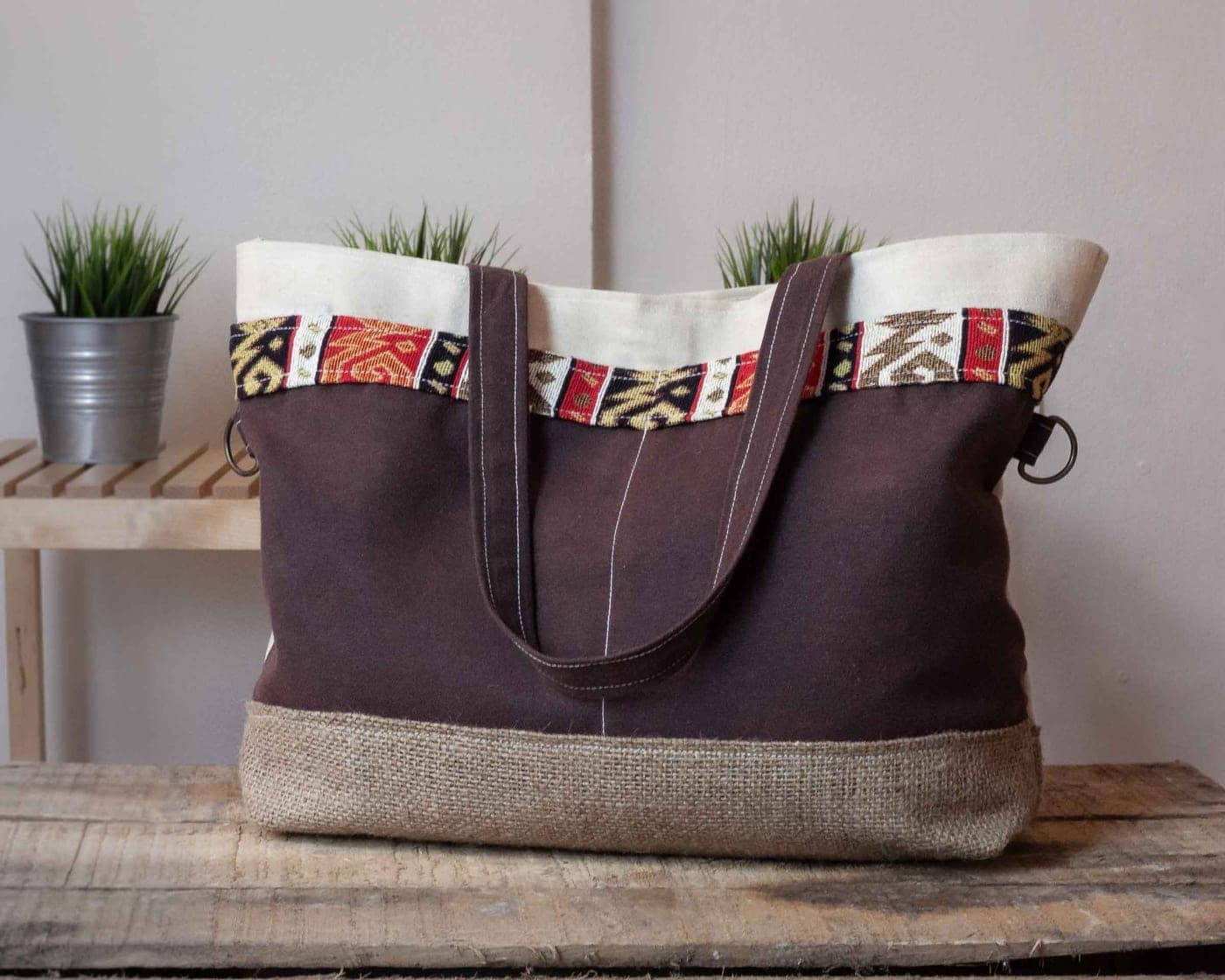
Four first sewing projects worth making
Four rectangle projects in order, each teaching one skill — and none of them needs a pattern.
Best entry tier
The best sewing machines under $200
The entry tier, ranked on what the band structurally buys — and the one machine to think twice about.
Your first seam
How to use a sewing machine for the first time
Setup to finished seam in about an hour, plus the four stitches that cover a first year of sewing.