Stitch & Selvage earns a commission when you buy through the links on this page, at no extra cost to you. It does not change what we recommend, and we publish a skip-this verdict on products we could otherwise earn from. Full disclosure.
Buy the sewing machine. A serger trims a fabric edge and wraps it in thread in one pass, which makes garment interiors look factory-finished — but it cannot sew a plain seam that presses open, cannot sew a buttonhole, cannot install a zip and cannot topstitch. It is an excellent second machine and it cannot be a first one. The same reasoning, for the same mechanical reason, applies to an embroidery machine.
What each machine can physically do. A serger's limitations are structural, not a matter of model or price.
What a serger actually is
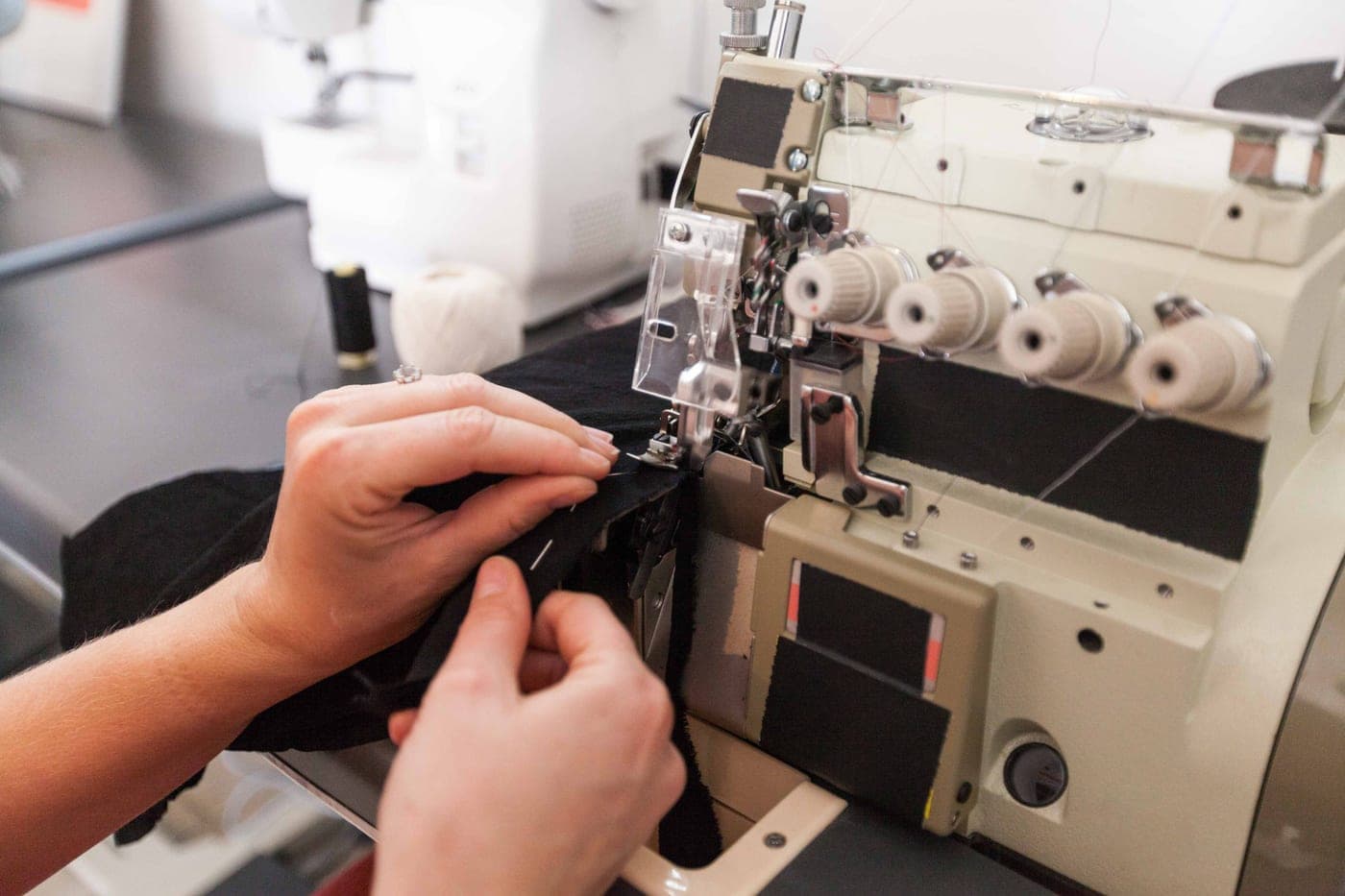
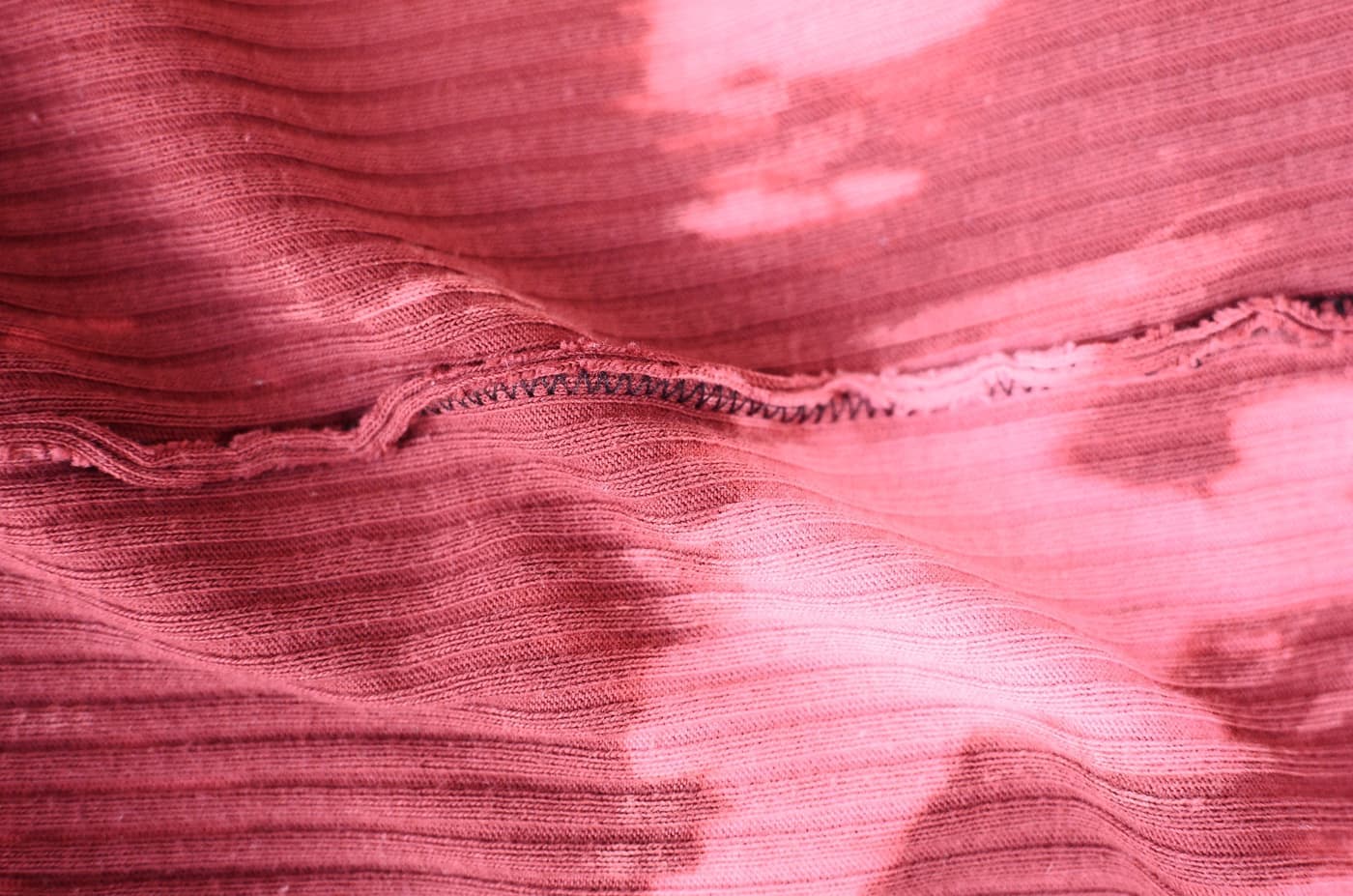
A serger — an overlocker, in British usage — runs three or four threads at once through loopers rather than a bobbin, and carries a small blade just ahead of the needles that trims the fabric edge as it goes. The result is an edge that is cut clean and immediately wrapped in thread so it cannot fray. It does this quickly and it looks like the inside of shop-bought clothing, because it is how shop-bought clothing is made.
The consequence of that design is that a serger's seam is not a plain seam. The two layers are joined at the very edge and the allowance is trimmed away, so there is nothing to press open, nothing to adjust later, and no way to take a garment in without redoing it. And because it has no bobbin and no fixed straight-stitch needle position, it cannot produce a single line of stitching in the middle of a piece of fabric — which is what a buttonhole, a topstitch line and a zip installation all require.
The foot that does most of a serger's useful job
This is the practical answer for a beginner. An overcasting foot on an ordinary sewing machine has a small bar that sits at the fabric edge; the thread wraps around that bar as the needle zigzags, so the stitch encloses the raw edge rather than pulling it into a curl. It does not trim, and it is slower. It also stops the edge fraying, which is 90% of why a beginner wants a serger.
Brother lists an overcasting foot with the XR9550 and the CS7000X. It does not list one with the XM2701 or the LX3817. If a tidy interior finish matters to you, choosing a machine that includes an overcasting foot is a far cheaper route than buying a second machine.
Sewing knits without a serger
The other reason people think they need a serger is knit fabric. You do not. Two things solve knits on an ordinary machine: a jersey / ball point needle, which SCHMETZ describes as designed for sewing on knits — the rounded point slips between the loops instead of cutting them — and a stitch with give in it, which means a narrow zigzag or a dedicated stretch stitch rather than a plain straight stitch that will snap when the fabric stretches.
A walking foot helps too, because it stops the top layer of a stretchy fabric being dragged forward into a wavy hem. Brother includes one with the CS7000X. More on sewing knits.
When a serger is worth buying
When you are already sewing garments regularly, already own a sewing machine you are happy with, and the finishing is the bottleneck. At that point a serger genuinely transforms how long a garment takes and how it looks inside, and nobody who has one goes back.
It is a second machine. Buying it first means owning a machine that cannot sew a buttonhole.
Method
How we picked
- Put both sides' published manufacturer specifications side by side — Brother USA, SINGER and SCHMETZ pages, all checked 1 September 2026 — rather than comparing impressions.
- Resolved each dimension separately and said which side wins it, instead of averaging everything into a tie.
- Named a winner, and named the buyer the other option is right for.
- Priced live from Amazon. No number on this page is remembered.
We have not sewn on these machines. There is no test bench here, we do not own them, and we do not accept free product. Everything above is compiled from published manufacturer specifications and live retailer data — and we tell you which is which on every claim. Our full method.
Answers
Questions people ask
Do I need a serger as a beginner?
Can a serger replace a sewing machine?
What is the difference between a serger and an overlocker?
How do I finish seams without a serger?
Where this came from
Sources
About the author
Scooter M.
An enthusiast who is genuinely into this. I read the manuals, compile the published specs, and do the arithmetic. No lab coat, no test bench, and no machines I am pretending to have used — which is exactly why every claim here carries a source.
Published by Slate Mill Group. Published September 1, 2026; last updated September 1, 2026. Editorial policy.
Keep reading
Read next
Best for clothes
The best sewing machines for making clothes
Buttonhole styles, an overcasting foot and a blind hem foot — the three published specs that decide garment sewing.
Garment sewing
Learning to sew your own clothes
The order to learn in, the four forgiving first garments, and the machine features garment sewing actually needs.
Best for garment sewing
Brother XR9550 review: eight buttonhole styles and no walking foot
165 stitches, eight one-step buttonhole styles and an upper thread sensor — the machine to buy if you want to make clothes.
Sewing knits
Sewing knit fabrics without a serger
Ball point needle, a stitch with give, and a walking foot — the three fixes for knits on an ordinary machine.