Stitch & Selvage earns a commission when you buy through the links on this page, at no extra cost to you. It does not change what we recommend, and we publish a skip-this verdict on products we could otherwise earn from. Full disclosure.
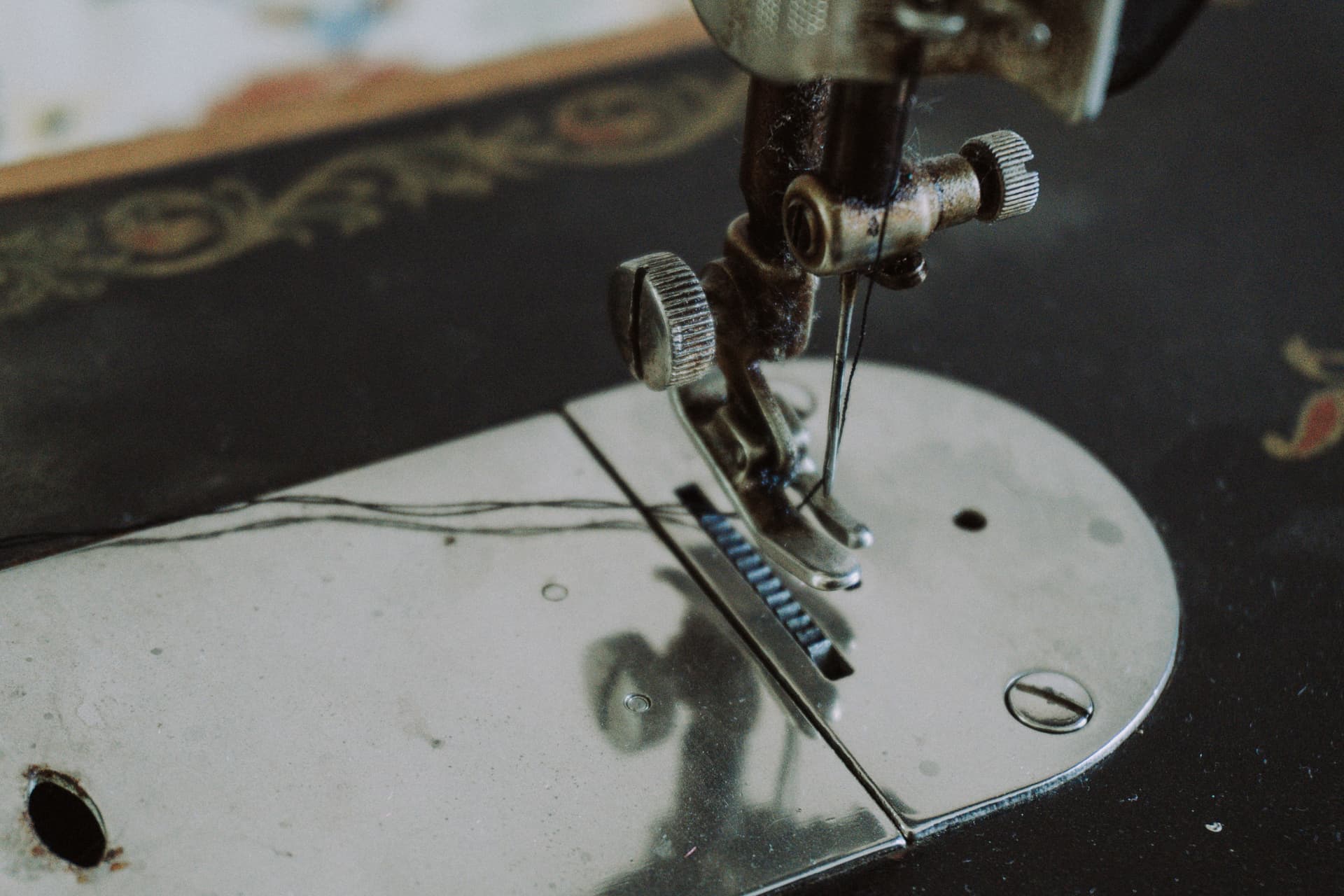
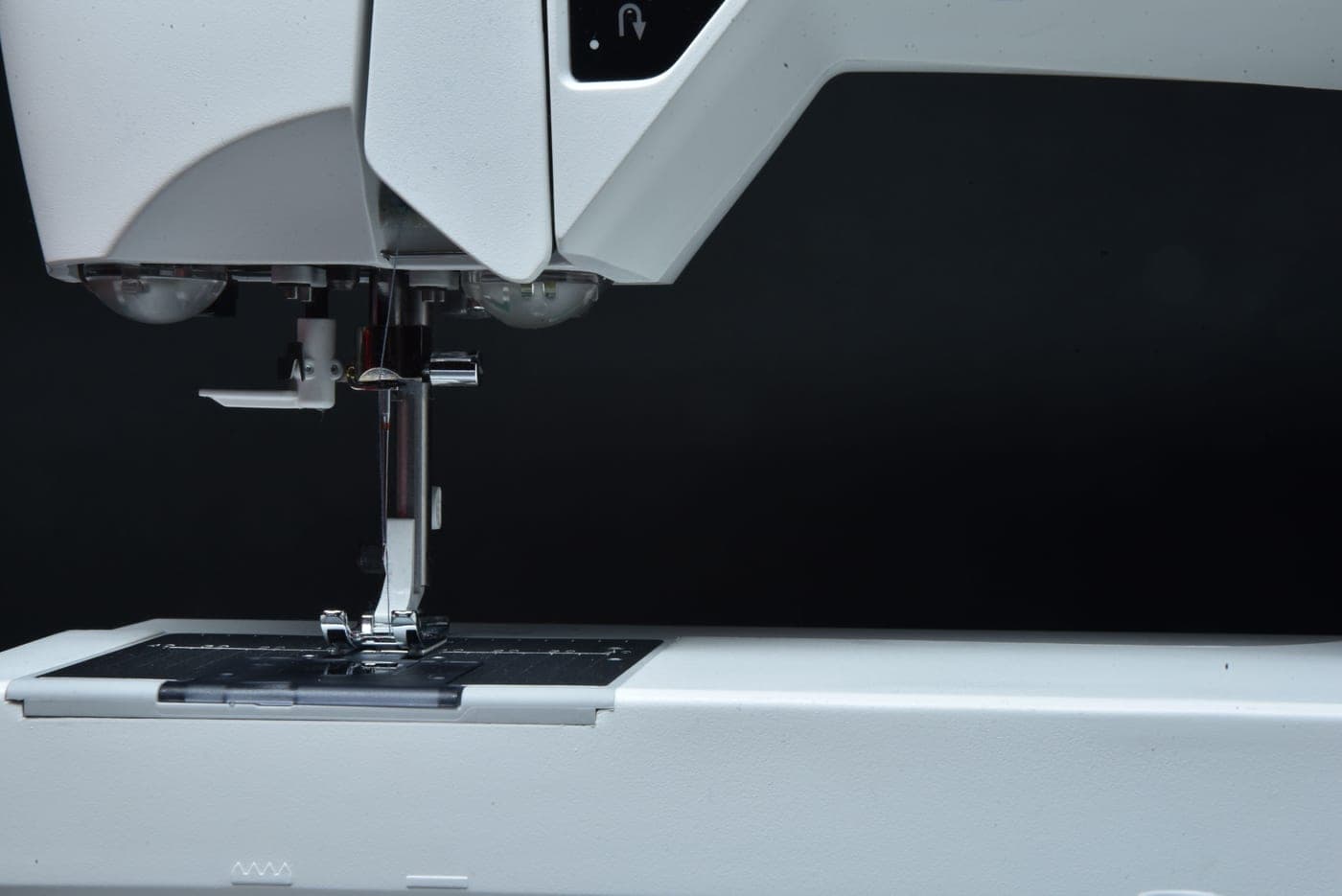
The SINGER Heavy Duty 4411 has the full Heavy Duty platform — metal interior frame, stainless steel bed plate, adjustable presser foot pressure, extra-high presser foot lifter and 1,100 stitches per minute — with 11 built-in stitches, a four-step buttonhole and no built-in needle threader. You keep the engineering and give up the convenience.
The ranking
Quick picks
Ranked against the published criteria below. Tap a row to jump to the full write-up; the price button goes straight to Amazon.
| # | Product | Best for | Score | Price |
|---|---|---|---|---|
| 1 |  SINGER Heavy Duty 4411 Sewing Machine Heavy fabric on the smallest heavy-duty budget | 11 built-in stitches, 69 stitch applications | 5.0/10 | $229.99 on Amazon #ad affiliate link · price as of October 16, 2026 |
Heavy fabric on the smallest heavy-duty budget
SINGER Heavy Duty 4411 Sewing Machine
The entry point to Singer's Heavy Duty line: the same metal frame, pressure dial and 1,100 stitches per minute, but eleven stitches, a four-step buttonhole and no needle threader. You keep the engineering and give up the convenience.
The 4411 is where Singer's Heavy Duty line starts, and the interesting thing about it is what it does not give up. The metal interior frame is here. So is the stainless steel bed plate, the motor Singer states is 60% stronger than a standard one, the 1,100 stitches per minute, the adjustable presser foot pressure dial, the extra-high presser foot lifter, the drop feed, the three needle positions and the 6 mm stitch width. Every specification that makes a Heavy Duty machine sew thick fabric is on this model.
What it gives up is convenience, and it gives up a lot of it. Singer lists 11 built-in stitches against the 4423's 23 and the 4432's 32. It lists a four-step buttonhole rather than a one-step. And — the one we would weigh heaviest — it does not list a built-in needle threader, which the 4423, 4432 and 4452 all have.
That threader matters more than the stitch count. You re-thread a machine every time you change color, break a thread or fit a new needle, and doing it by eye under the machine arm is where a lot of beginners quietly stop. Our review of the GX37 makes the same argument at the opposite end of the price range: automatic threading is the specification we would protect first.
The four-step buttonhole is the second trade. One is easy; making seven match down a shirt placket is a skill you have to acquire on fabric you have already cut out. One-step versus four-step covers exactly what changes.
So who is this machine for? Someone whose work is construction rather than decoration — curtains, canvas, repeated thick seams, upholstery-weight cotton — who wants the frame and the pressure dial and genuinely will not miss thirty decorative stitches. For that buyer it is a sensible purchase. For a general first machine it is not, and the reason is the threader rather than the stitch count.
One caution on price. Singer lists the 4411 at $189.99 and the far better equipped 4452 at $219.99, but retail prices for this line move constantly and the gap is often smaller than thirty dollars — sometimes it inverts. Check the live figures on both before you decide the 4411 is the budget option.
We have not sewn on this machine. Every specification above was read off Singer's own product page on 13 September 2026.
What works
- The heavy-duty engineering is all here — metal interior frame, stainless steel bed plate, adjustable presser foot pressure, extra-high presser foot lifter and 1,100 stitches per minute
- The cheapest way into the Heavy Duty platform at Singer's own list prices
- Drop feed, three needle positions and a 6 mm stitch width, none of which are givens at this money
- Top drop-in Class 15 bobbin, which is the bobbin system that causes beginners the fewest problems
- The lightest of the Heavy Duty machines at a published 14 lb — marginally, but it is the only one under 14.6
What does not
- No built-in needle threader. Singer lists one on the 4423, 4432 and 4452 and does not list one here — you thread the eye by hand every time
- A four-step buttonhole, not one-step: you turn the dial through four positions and judge each side by eye
- Eleven built-in stitches. Enough for construction, but there is no decorative range at all
- At Amazon's live prices this model is frequently no cheaper than the far better equipped 4452 — check both before buying
- 14 lb and no speed limiter published, so it is neither portable nor gentle
The kit it pairs with: A needle threader tool, because the machine has none; denim needles in 90/14 and 100/16; and a walking foot, which is not in this box.
What it keeps, which is more than you would expect
The temptation with an entry model is to assume it is a lesser machine with a famous badge. On published specification the 4411 is not that. Singer lists the heavy-duty metal interior frame, the stainless steel bed plate, the motor it states is 60% stronger than a standard sewing machine motor, the 1,100 stitches per minute top speed, adjustable presser foot pressure, an extra-high presser foot lifter, drop feed, three variable needle positions and a 6 mm maximum stitch width.
Read that against the 4452 at the top of the line and the mechanical hardware is the same hardware. Every specification that decides whether a machine can drag eight layers of denim under the needle is present on the cheapest model in the family. That is genuinely unusual, and it is the argument for this machine.
It also keeps the top drop-in Class 15 bobbin, which is the bobbin system that causes beginners the fewest problems — drop-in versus front-loading counts the steps each one asks of you. And at a published 14 lb it is fractionally the lightest of the four Heavy Duty machines, though 14 lb is not light by any standard that matters.
What it gives up, and why the threader is the big one
Singer's specification for the 4411 does not list a built-in needle threader. The 4423, 4432 and 4452 all list one. That single omission is, for a beginner, the most consequential line on this page.
An automatic or built-in threader is a small hooked lever: you lower it, the hook swings through the needle eye, you lay the thread in and release. Three seconds, no close vision. Without one you are holding a thread end between finger and thumb and pushing it at a hole roughly 0.6 mm across, in the shadow of the machine arm, every time you change color, break a thread or fit a new needle. On a real project that is many times an evening, and it is where a lot of people quietly stop sewing.
The second omission is the four-step buttonhole. You turn the dial through four positions in sequence and judge the length of each long side by eye. One is straightforward. Making seven of them match down a shirt placket is a skill, and it is a skill you acquire on fabric you have already cut out — one-step versus four-step sets out exactly what changes.
The third is stitch range: 11 built-in stitches and 69 stitch applications, against 23 on the 4423 and 32 on the 4432 and 4452. Eleven covers construction — straight, zigzag, a stretch stitch, the buttonhole — and gives you essentially nothing decorative. For a machine bought to sew canvas that is defensible. For a first general-purpose machine it is thin.
What is in the box
Singer lists an accessory set it values at $60: general purpose, zipper, buttonhole and button sewing feet, an edge/quilting guide, a pack of needles, Class 15 transparent bobbins, spool caps, an auxiliary spool pin, spool pin felt, a screwdriver, a seam ripper / lint brush and a soft dust cover.
That is the same set the 4423 and 4432 ship with, and it is worth naming what is absent from all three: no walking foot, no non-stick foot, no clearance plate and no heavy duty needles. The 4452 is the only machine in the line that includes those four, which is why it keeps winning these comparisons.
The price trap worth knowing about
On singer.com on 13 September 2026 the 4411 was listed at $189.99 and the far better equipped 4452 at $219.99. Thirty dollars is a real gap and for some budgets it decides the question.
But retail prices across this line move constantly and independently, and the gap is frequently smaller than thirty dollars — sometimes it inverts entirely. Before you buy the 4411 as the budget option, check the live figure on both. If the difference is under about twenty dollars, the 4452 gives you a needle threader, a one-step buttonhole, twenty-one more stitches, a walking foot, a non-stick foot, a clearance plate and heavy duty needles for it. That is not a close call.
Who should buy it, and who should not
Buy it if your sewing is construction rather than decoration — curtains, canvas totes, upholstery-weight cotton, repeated thick seams, straight lines and a lot of them — and you genuinely will not miss a needle threader or a one-step buttonhole. For that buyer this is a lot of engineering for the money, and the pressure dial and metal frame are worth more than any stitch library.
Do not buy it as a first general-purpose machine. The missing threader is the reason, not the stitch count. If the budget is the binding constraint, the Brother GX37 at a lower list price has an automatic needle threader *and* a one-step buttonhole *and* 37 stitches — it simply cannot sew thick fabric. Decide which of those two things you are actually buying before you spend the money, and the under-$200 roundup sets the options side by side.
We have not sewn on this machine. We do not own it, there is no test bench here, and we are not going to describe a stitch we never made. What we did instead: read the manufacturer's published specification line by line, cite every figure to the page it came from, and price the whole setup — machine and the kit it still needs — so you know what starting actually costs.
Method
How we picked
- Compiled the full specification from Singer's own Heavy Duty 4411 product page, checked 13 September 2026, including the complete accessory list and the electrical and warranty figures.
- Checked the needle threader claim by comparing the published feature lists of all four Heavy Duty models on the same day — the 4423, 4432 and 4452 list a built-in threader and the 4411 does not.
- Confirmed the machine is currently sold and listed in stock before recommending it.
- Weighted first-setup ease at 30% per how we pick, which is why a machine with excellent mechanical hardware still scores modestly as a *first* machine.
- Pulled the price live from Amazon. The $189.99 and $219.99 figures above are Singer's own dated list prices, not what a retailer charges today.
We have not sewn on these machines. There is no test bench here, we do not own them, and we do not accept free product. Everything above is compiled from published manufacturer specifications and live retailer data — and we tell you which is which on every claim. Our full method.
Answers
Questions people ask
Does the SINGER Heavy Duty 4411 have a needle threader?
Is the SINGER Heavy Duty 4411 good for beginners?
SINGER 4411 or 4423?
Can the SINGER Heavy Duty 4411 sew denim and canvas?
How many stitches does the SINGER Heavy Duty 4411 have?
How much does the SINGER Heavy Duty 4411 weigh?
Where this came from
Sources
- SINGER — Heavy Duty 4411 product page, specifications, accessories, price and stock status (checked 13 September 2026)
- SINGER — Heavy Duty 4452 product page, for the same-day feature and price comparison (checked 13 September 2026)
- Brother USA — GX37 product page, for the threader and buttonhole comparison (checked 6 September 2026)
About the author
Scooter M.
An enthusiast who is genuinely into this. I read the manuals, compile the published specs, and do the arithmetic. No lab coat, no test bench, and no machines I am pretending to have used — which is exactly why every claim here carries a source.
Published by Slate Mill Group. Published September 13, 2026; last updated September 13, 2026. Editorial policy.
Keep reading
Read next
The Heavy Duty line
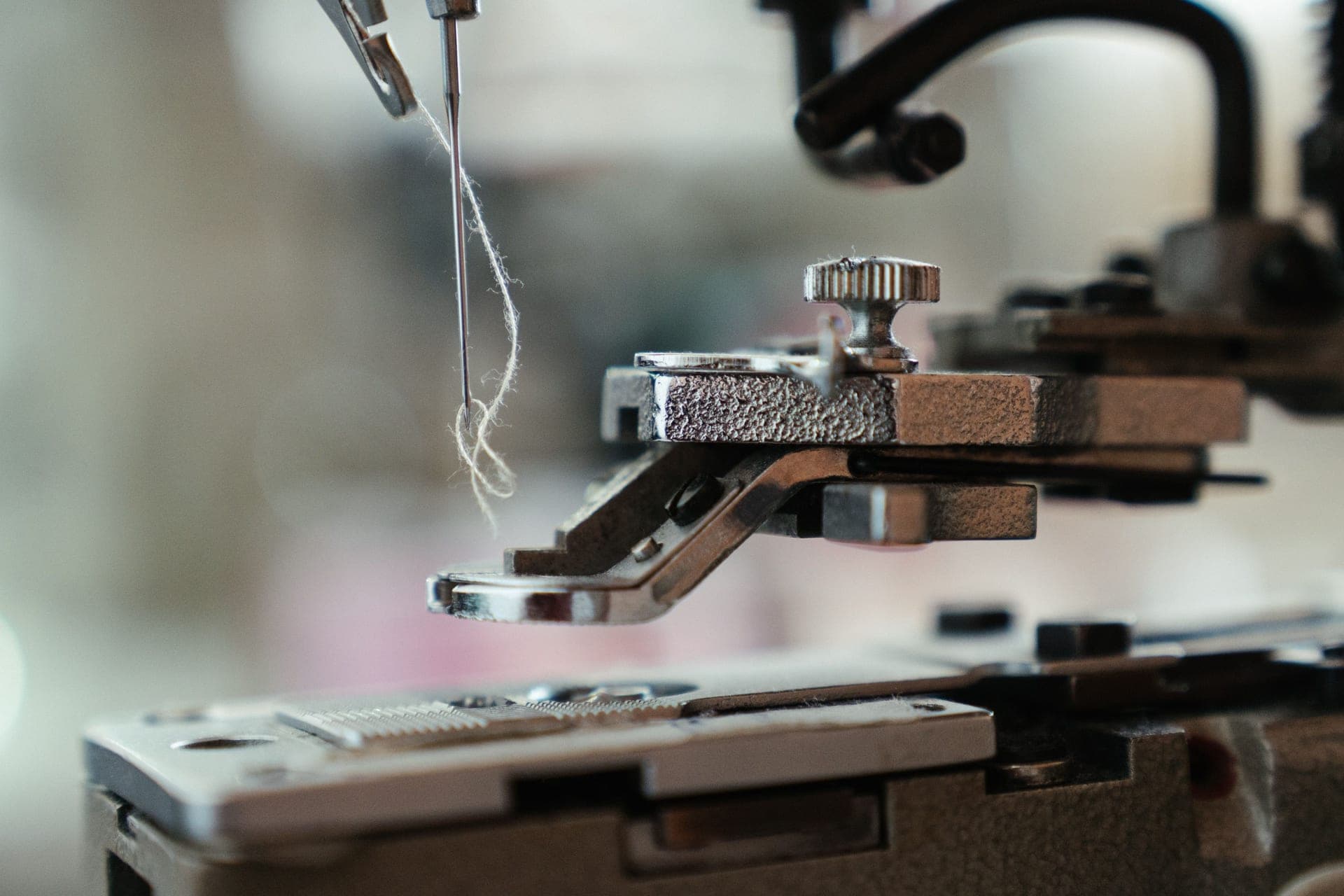
SINGER Heavy Duty 4411 vs 4423 vs 4432 vs 4452
One chassis, four model numbers, and a price order that does not match the feature order. Which Heavy Duty to actually buy.
Best for thick fabric
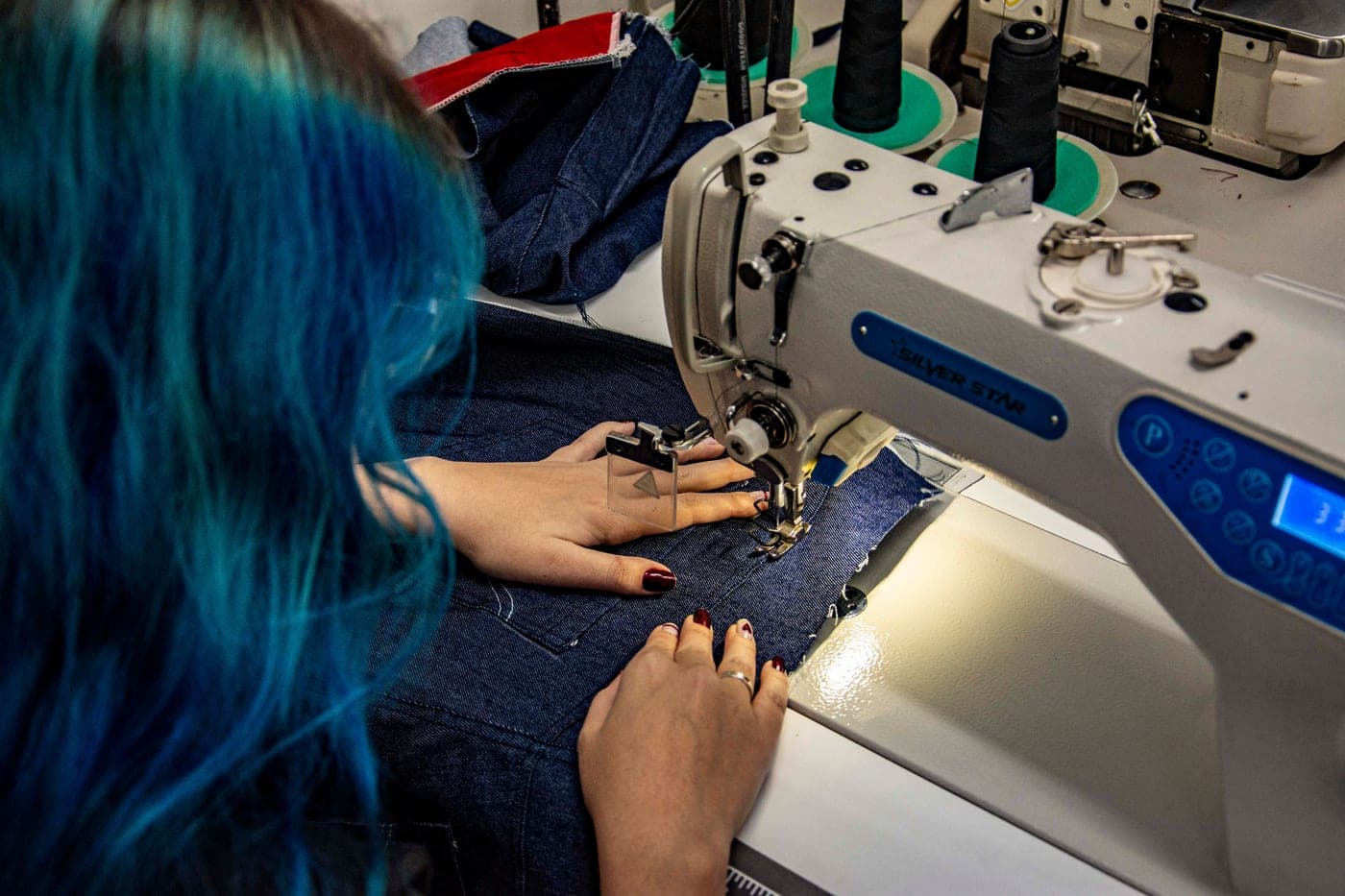
SINGER Heavy Duty 4423 review: a denim machine that happens to sew everything else
Metal frame, 1,100 stitches a minute and adjustable presser foot pressure — the machine for denim, canvas and layers.
Buttonhole systems
One-step vs four-step buttonhole
How each system is sewn, why four-step buttonholes are hard to match, and what multiple styles are actually for.
Best entry tier
The best sewing machines under $200
The entry tier, ranked on what the band structurally buys — and the one machine to think twice about.