Stitch & Selvage earns a commission when you buy through the links on this page, at no extra cost to you. It does not change what we recommend, and we publish a skip-this verdict on products we could otherwise earn from. Full disclosure.
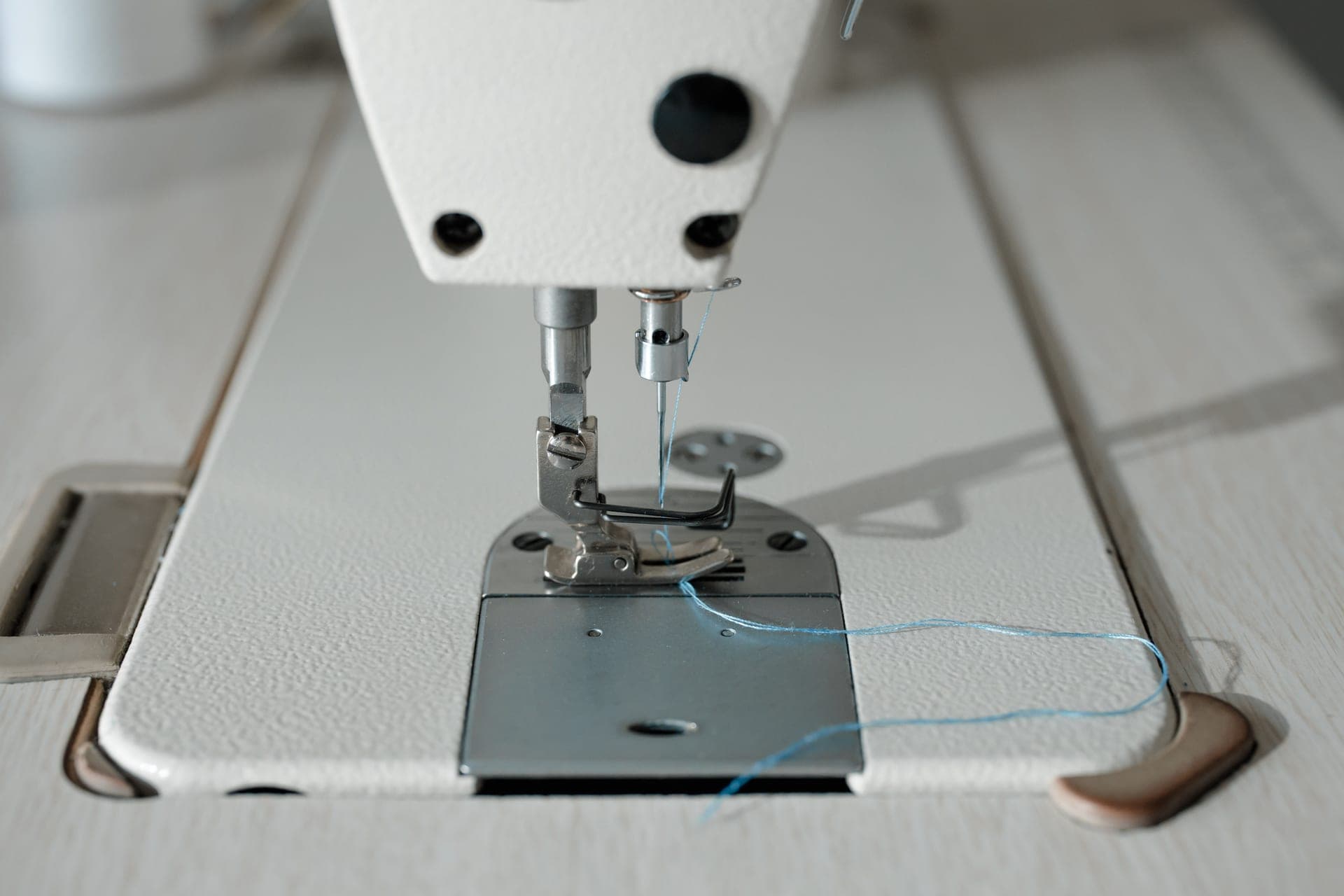
The Brother ST150HDH is a computerized machine with 50 stitches, 5 one-step buttonhole styles, a metal interior frame, 7-point box-feed feed dogs and nine presser feet including both a walking foot and a quarter-inch foot, at a published 10.14 lb. Brother lists adjustable presser foot pressure as 'No' — which is the whole argument of this review.
The ranking
Quick picks
Ranked against the published criteria below. Tap a row to jump to the full write-up; the price button goes straight to Amazon.
| # | Product | Best for | Score | Price |
|---|---|---|---|---|
| 1 |  Brother ST150HDH Strong & Tough Computerized Sewing Machine Heavy fabric without giving up the beginner features | 50 built-in stitches, 850 stitches per minute | 8.7/10 | $339.99 on Amazon #ad affiliate link · price as of October 16, 2026 |
Heavy fabric without giving up the beginner features
Brother ST150HDH Strong & Tough Computerized Sewing Machine
Brother solves thick-fabric feeding with geometry rather than pressure: 7-point feed dogs on a box-feed design, a metal interior frame, and nine feet in the box including both a walking foot and a quarter-inch foot.
The ST150HDH is Brother's answer to the question the SINGER Heavy Duty line usually owns, and it answers it differently. Singer's approach to thick fabric is force and pressure: a metal frame, a motor it states is 60% stronger than standard, 1,100 stitches per minute and an adjustable presser foot pressure dial. Brother's approach here is geometry.
The specification to read twice is the feed system. Brother publishes 7-point feed dogs on a box feed design and describes what that does in unusually concrete terms: the right and left feed dogs grip the fabric securely while the center feed dog holds the thread. Longer feed dogs mean more teeth in contact with the cloth at any moment, which is a different way of solving the problem that makes thick seams stall — the feed dogs losing their grip on fabric that bridges rather than sits flat.
It is worth being blunt about the trade, because Brother publishes it: adjustable presser foot pressure is listed as 'No'. On the SINGER Heavy Duty 4423 and 4452 you can turn a dial to press the layers harder onto the feed dogs. Here you cannot, and the machine is relying on its feed dog design to compensate. Whether that is enough is a hands-on question and we have not had hands on it — what we can tell you is which mechanism each manufacturer is selling you.
The accessory package is the other reason it is on this list. Nine feet, including a walking foot and a quarter-inch piecing foot, plus a heavyweight needle pack with two #14 heavy duty needles for denim and leather, two #11 for lighter fabric and two #14 ball point for knits. Bought separately those items are a meaningful fraction of the machine's price, and it means the machine arrives able to do the job rather than needing a second order.
The last surprise is the weight. At a published 10.14 lb it is the same figure as the XR9550 and four and a half pounds lighter than either SINGER Heavy Duty machine. For a machine sold on toughness that is unusual, and it cuts both ways: much easier to move and store, and less mass sitting still when the machine is working hard.
We have not sewn on this machine. Every figure above is from Brother's own product page, read on 6 September 2026, and the price on the button is live from Amazon rather than remembered.
What works
- 7-point feed dogs with a box feed design — Brother's description is specific: the outer feed dogs grip the fabric while the center one holds the thread, which is a feeding answer rather than a motor answer
- Nine feet, including both a walking foot and a quarter-inch foot — the two accessories most often bought after the fact, in one box
- A heavyweight needle pack is included: two #14 heavy duty for denim and leather, two #11 for light to medium, two #14 ball point for knits
- Metal interior frame, which Brother links directly to stability at higher speeds
- 10.14 lb — remarkably light for a machine sold for heavy fabric, and far easier to store than the 14.6 lb Singers
- Five one-step auto-size buttonhole styles, so it is still a competent garment machine
What does not
- Brother lists adjustable presser foot pressure as 'No' — the control that most directly helps thick layers feed, and both SINGER Heavy Duty machines have it
- 850 stitches per minute is slower than the SINGER Heavy Duty machines' 1,100, which matters if you sew long straight seams in bulk
- The most expensive machine we cover at $339.99 list
- A computerized machine has a board, a display and sensors that a mechanical heavy-duty machine does not
- Light weight is a portability win and a stability trade — a heavier machine moves around less when it is working hard
The kit it pairs with: Almost nothing. The heavyweight needle pack, the walking foot and the quarter-inch foot are already in the box — add bobbins and heavier all-purpose thread.
Two different answers to the same problem
Thick fabric does not defeat a sewing machine because the needle cannot get through it. A 100/16 denim needle goes through eight layers without much drama. What fails is feeding: feed dogs are small serrated bars that rise through the needle plate and drag the cloth back one stitch at a time, and they can only grip fabric that is pressed down onto them. On a thick multi-layer seam the fabric bridges rather than sitting flat, the dogs lose it, and the machine stitches on the spot.
SINGER's answer is pressure. Every Heavy Duty machine publishes an adjustable presser foot pressure dial: turn it up and the layers are pressed harder onto the feed dogs so they can grip. That, plus a metal frame and a lot of mass, is what the Heavy Duty line sells.
Brother's answer here is geometry. There is no pressure dial — Brother lists it as 'No'. Instead it publishes 7-point feed dogs on a box feed design, and describes what that does in unusually concrete terms: the right and left feed dogs grip the fabric while the center dog holds the thread. More teeth in contact with the cloth at any moment, moving in a box path rather than an ellipse, is a different route to the same goal — keeping hold of material that does not want to lie flat.
We cannot tell you which works better. That is a hands-on question, we have not sewn on either, and the manufacturers do not publish anything that would let us compare the two mechanisms on paper. What we can tell you is exactly which mechanism each company is selling you, so you can decide which bet you would rather make.
The carton is genuinely unusual
Brother lists nine presser feet: walking, quarter-inch piecing, buttonhole, overcasting, monogramming, zipper, spring-action zigzag, blind stitch and button sewing. That is the third-largest foot count of any machine we cover, behind only the CS7205's eleven and the CS7000X's ten.
Two of those matter disproportionately. The walking foot adds a second set of feed dogs above the fabric so the top layer cannot outrun the bottom one — on a heavy-fabric machine that is not a quilting nicety, it is a second feeding mechanism stacked on top of the first. What a walking foot does covers it properly. The quarter-inch foot is the piecing accessory quilters buy separately.
Brother also includes a heavyweight needle pack — two #14 heavy duty, two #11 and two #14 ball point. That is the detail that tells you who the machine is for: it arrives able to sew denim on the day it lands, without a second order. Most machines do not.
The weight, which cuts both ways
At a published 10.14 lb this is the lightest heavy-fabric machine we cover by a wide margin. Every SINGER Heavy Duty machine is 14 lb or more. It ties with the XR9550, GX37 and CS7205 for the lightest figure Brother publishes.
That is a genuine advantage if the machine has to be stored or carried — our lightweight roundup puts the whole field in order. It is also a real trade, and worth stating plainly: mass is part of how a machine sews hard. A light machine can shift on the table when it is driving a needle through eight layers, and the SINGER machines are heavy partly on purpose. Brother is asking its frame and feed design to do what Singer asks weight and pressure to do.
What it keeps from the beginner playbook
More than most machines bought for fabric weight. Brother publishes an advanced needle threading system, a quick-set drop-in bobbin, a large backlit LCD with shift-key stitch selection, and five styles of one-step auto-size buttonhole — more buttonhole variety than either the CS7000X or the CS5055, and far more than the SINGER Heavy Duty machines, which publish one style.
So unlike the SINGER 4411, which strips the conveniences to hit its price, this machine does not ask you to trade ease of use for fabric capability. It asks you to trade money and a pressure dial.
What it does not have
- No adjustable presser foot pressure. Brother lists it as 'No'. This is the single specification a SINGER Heavy Duty has that this does not, and on the hardest seams it is the one people reach for.
- No hard case and no wide table are listed in the carton.
- 850 stitches per minute, against 1,100 on the SINGER Heavy Duty line. Slower is friendlier for a beginner and slower is slower if you sew long production seams.
- The most expensive machine we cover at a $339.99 Brother list price.
- A computerized machine has a board, a display and sensors that a mechanical heavy-duty machine does not. That is a reliability surface the SINGER machines do not have.
The two cheaper machines in the same line
Brother sells three Strong & Tough machines and this is the expensive one, so it is worth knowing what sits below it. The ST531HD at $259.99 and the ST371HD at $239.99 are one shared chassis — Brother publishes identical 14.3 lb weights, identical dimensions and cartons, the same 800 stitches per minute and the same six presser feet for both. Each gives you a metal needle plate, heavy duty needles and a non-stick foot, on a dial.
What the extra money on this machine buys, precisely: the backlit screen, five buttonhole styles instead of one, nine presser feet instead of six — including the walking foot and quarter-inch foot neither cheaper model has, the 7-point box-feed feed dog design, and four fewer pounds (10.14 lb against 14.3). If you will quilt, that gap is worth paying outright. If you want thick-fabric capability on a dial and nothing more, the ST531HD is the value pick, and Brother had 611 of them in stock when we last checked.
A stock caution worth reading before you buy
This machine has been genuinely hard to buy. We checked it on 9 and 14 September and Brother's own store reported zero units and no ability to order; its Amazon listing had no buyable offer either. On 19 September it was orderable again but with only 39 units, against 600 to 1,000 for every other Brother we cover, and the Amazon listing had returned. It was still in stock when we published this on 21 September.
We are reviewing it because it is purchasable today and it is the best heavy-fabric Brother. We are telling you about the supply because a buy button that works this week may not next week. If it has gone again by the time you read this, the denim roundup covers the SINGER Heavy Duty machines that do the same job with a pressure dial instead.
Who should buy it, and who should not
Buy it if you want one machine that handles thick fabric and everything else. Nine feet including a walking foot and a quarter-inch foot, five buttonhole styles, a drop-in bobbin, an advanced threader and a heavyweight needle pack is a genuinely versatile package, and at 10.14 lb it is the only heavy-fabric machine here you can comfortably store on a shelf.
Do not buy it if the hardest seams are the whole job. If you are hemming jeans and sewing upholstery weight every week, the specification you want is the pressure dial, and that means a SINGER Heavy Duty — the 4452 in particular, which also includes a walking foot, a non-stick foot and a clearance plate. Do not buy it on price either: it is the dearest machine we cover, and the CS7205 gives you more feet and more stitches for fifty dollars less if thick fabric is not actually the reason you are buying.
We have not sewn on this machine. We do not own it, there is no test bench here, and we are not going to describe a stitch we never made. What we did instead: read the manufacturer's published specification line by line, cite every figure to the page it came from, and price the whole setup — machine and the kit it still needs — so you know what starting actually costs.
Method
How we picked
- Compiled every specification from Brother's own ST150HDH product page — stitch and buttonhole counts, frame, the 7-point box feed description in Brother's own words, presser foot list, needle pack contents, maximum speed, weight, dimensions, warranty and the explicit 'No' for adjustable presser foot pressure.
- Verified the machine is currently purchasable before publishing, on both Brother's own store and Amazon, after it failed that check twice earlier in the month. The stock history is reported on the page rather than hidden.
- Compared the feeding mechanism against the SINGER Heavy Duty line's published pressure dial, and said plainly that we cannot rank the two mechanisms without hands-on testing we have not done.
- Scored against the published formula on how we pick: first-setup ease 30%, stitch range 15%, presser feet 15%, warranty 10%, portability 10%, price-to-spec 20%.
- Pulled the price live from Amazon. The $339.99 figure is Brother's own dated list price, not what a retailer charges today.
We have not sewn on these machines. There is no test bench here, we do not own them, and we do not accept free product. Everything above is compiled from published manufacturer specifications and live retailer data — and we tell you which is which on every claim. Our full method.
Answers
Questions people ask
Does the Brother ST150HDH have adjustable presser foot pressure?
What are 7-point feed dogs?
Brother ST150HDH or SINGER Heavy Duty 4452?
Can the Brother ST150HDH sew denim?
How much does the Brother ST150HDH weigh?
How many presser feet come with the Brother ST150HDH?
Where this came from
Sources
- Brother USA — ST150HDH product page, specifications, carton contents, price and stock status (checked 19 September 2026)
- SINGER — Heavy Duty 4452 product page, for the adjustable presser foot pressure comparison (checked 13 September 2026)
- Brother USA — CS7205 product page, for the presser foot count comparison (checked 14 September 2026)
About the author
Scooter M.
An enthusiast who is genuinely into this. I read the manuals, compile the published specs, and do the arithmetic. No lab coat, no test bench, and no machines I am pretending to have used — which is exactly why every claim here carries a source.
Published by Slate Mill Group. Published September 21, 2026; last updated September 21, 2026. Editorial policy.
Keep reading
Read next
Best for denim
The best sewing machines for denim
Ranked on presser foot pressure, feed dog design and frame material - the three things that actually move thick fabric.
The Heavy Duty line
SINGER Heavy Duty 4411 vs 4423 vs 4432 vs 4452
One chassis, four model numbers, and a price order that does not match the feature order. Which Heavy Duty to actually buy.
Best Brother
The best Brother sewing machines
Fourteen Brother machines on one page, ranked by the job you are buying for — with same-day list prices and the one to skip.
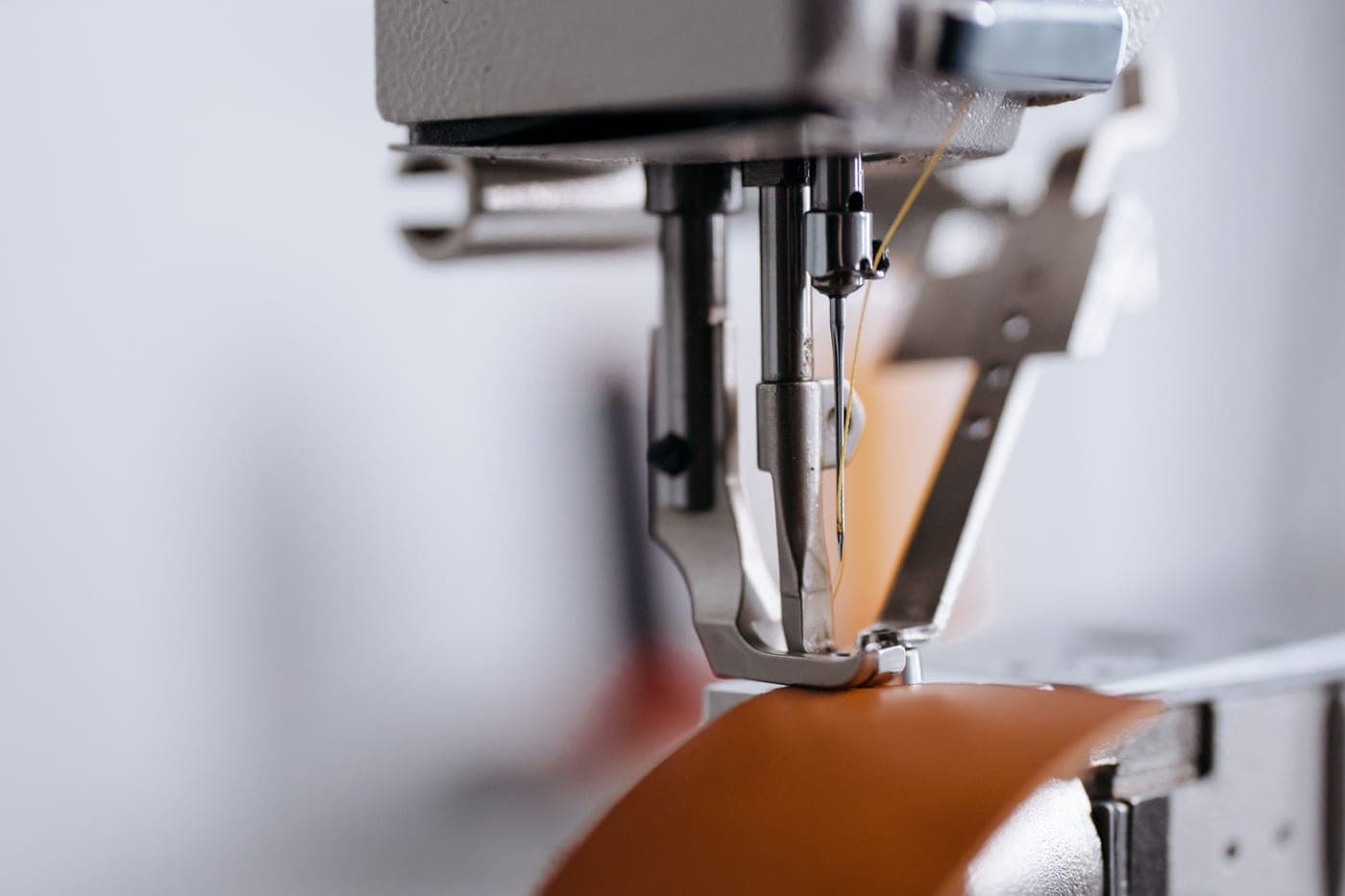
Walking foot
What a walking foot actually does
The one-sentence explanation, the four jobs it fixes, and which machines include one in the box.