Stitch & Selvage earns a commission when you buy through the links on this page, at no extra cost to you. It does not change what we recommend, and we publish a skip-this verdict on products we could otherwise earn from. Full disclosure.
The Brother ST531HD is a mechanical heavy-fabric machine with 53 built-in stitches, a metal frame, a metal needle plate, heavy duty needles, a non-stick foot, a metal finger guard, an automatic needle threader and a Quick-Set drop-in bobbin, at $259.99 on Brother's list. Brother publishes an unusually specific claim for it: up to six layers of denim. It is the same chassis as the ST371HD with sixteen more stitches and a cleaner warranty, and unlike its stablemate Brother had 611 units in stock.
The ranking
Quick picks
Ranked against the published criteria below. Tap a row to jump to the full write-up; the price button goes straight to Amazon.
| # | Product | Best for | Score | Price |
|---|---|---|---|---|
| 1 |  Brother ST531HD Heavy Duty Sewing Machine The Strong & Tough machine you can actually buy | 53 built-in stitches, up to six layers of denim | 7.3/10 | $259.99 on Amazon #ad affiliate link · price as of October 17, 2026 |
The Strong & Tough machine you can actually buy
Brother ST531HD Heavy Duty Sewing Machine
The same chassis as the ST371HD with sixteen more stitches and a metal finger guard for twenty dollars more — and, unlike its stablemate, Brother has 611 of them in stock.
The ST531HD is the Strong & Tough machine to buy if you want one today, and the reason is mundane: Brother has 611 of them and none of the ST371HD. It is also, on Brother's own published figures, the same machine.
That claim is worth showing rather than asserting. Brother publishes an identical 14.3 lb unit weight for both, identical unit dimensions of 12.21 x 16.10 x 7.87 inches, an identical 11 x 19 x 15 inch carton, the same 800 stitches per minute, the same 7 mm maximum stitch width and 5 mm maximum stitch length, the same jam-resistant Quick-Set drop-in bobbin, the same built-in needle threader, the same free arm, and the same six presser feet — spring action zigzag, non-stick, blind stitch, zipper, buttonhole and button sewing. Neither publishes adjustable presser foot pressure. The two machines are one chassis.
What the extra twenty dollars buys is sixteen more stitches — 53 against 37 — and a metal finger guard, which is a small piece of metal in front of the needle and a genuinely useful thing on a machine a young person will use. It also buys a cleaner warranty: this page publishes a plain 25-year limited term, where the ST371HD's page reads '25 Year Serger' on a machine that is not a serger.
The specification we would point to first, though, is one Brother rarely states this plainly: up to six layers of denim. Most machines in this category are sold with adjectives — heavy duty, strong, tough — and a number is a much more useful thing to hold a manufacturer to. Six layers is a hemmed jean seam crossing another hemmed jean seam, which is the exact place cheaper machines stall. Brother backs it with a metal frame, a metal needle plate and heavy duty needles in the box.
The honest limit is the same as its stablemate's. Brother lists adjustable presser foot pressure as 'No', and that dial is what lets a machine hold varying thicknesses without the top layer creeping. SINGER's Heavy Duty line publishes it on all four models. If thick fabric is the *only* reason you are buying, the SINGER 4452 at $219.99 has the dial, a walking foot, a non-stick foot and a clearance plate, and is cheaper. What it does not have is this machine's needle threader convenience at the same price, a finger guard, or 53 stitches.
One buttonhole style is the other thing to weigh, and at $259.99 it is a real cost. The CS7205 is $289.99 with eight buttonhole styles and eleven presser feet including a walking foot. The two machines are aimed at different jobs — one at thick fabric on a dial, one at garment range on a screen — and thirty dollars is not what separates them.
We have not sewn on this machine. Everything above is Brother's own published specification, read on 27 September 2026 and cited below, and the price on the button is live from Amazon rather than anything we typed.
What works
- Brother publishes a specific fabric claim: up to six layers of denim. Most machines in this class describe 'heavy fabric' vaguely; this one puts a number on it
- 53 built-in stitches — sixteen more than the ST371HD for twenty dollars, including blind hem, stretch, overcasting and decorative
- A metal finger guard, which is the specification that makes this the one to consider if a teenager or a nervous beginner will use it
- A metal frame and a metal needle plate, plus heavy duty needles in the box
- Built-in easy needle threader and a jam-resistant Quick-Set drop-in bobbin — the two jobs that defeat beginners
- 611 units in stock on Brother's own store on the day we checked, against zero for the ST371HD
- A clean 25-year limited warranty string, where the ST371HD's page says '25 Year Serger'
What does not
- One buttonhole style. At $259.99 the CS7205 publishes eight and eleven presser feet; if you sew garments with varied buttons, this is the wrong machine at this price
- Six presser feet, no walking foot and no quarter-inch foot. Not a quilting machine — the quilting roundup explains why those two feet decide it
- Adjustable presser foot pressure: Brother lists it as 'No', which is the honest ceiling on the six-layers-of-denim claim. SINGER's Heavy Duty line publishes that dial
- 14.3 lb, tied with the ST371HD as the heaviest Brother we cover
- No published speed limiter. 800 stitches per minute is slower than SINGER's 1,100, but there is no slider to cap it for a first seam
- An instructional DVD is listed in the carton, which is of limited use on a computer without an optical drive
The kit it pairs with: Denim needles in 100/16 beyond the included heavy duty pack, heavier all-purpose thread, and a walking foot if you plan to quilt — it is not in this box.
A manufacturer putting a number on a fabric claim
Almost every machine in this category is sold with adjectives. Heavy duty. Strong and tough. Built to last. Adjectives cannot be checked, and they cannot be held against a machine when it stalls. So it is worth flagging that Brother's description of this machine says something falsifiable instead: it is built to handle everything from lightweight silks to up to six layers of denim.
Six layers is a useful number because it maps onto a real situation. A jean hem is two layers folded, so four. Where that hem crosses an existing flat-felled side seam you are suddenly at six or more, and that intersection is exactly where cheaper machines stall, skip or jam. A manufacturer willing to name six layers is telling you where its own ceiling is, which is more than most of this market does.
Brother backs it with three published specifications: a durable metal frame, a metal needle plate for smoother feeding, and heavy duty needles in the box. The frame is what stops the machine flexing under load; the metal plate is what stops the needle deflecting; the needles are what stop the needle snapping. Those are the right three things.
The honest ceiling on that claim
Brother lists adjustable presser foot pressure as 'No' for this machine, and that is the specification we would want most on a six-layer machine. The pressure dial is what lets the foot hold six layers firmly and then two layers gently without the top layer creeping ahead of the bottom one. SINGER's entire Heavy Duty line publishes that dial.
So the fair summary is: this machine is built to survive six layers, and SINGER's is built to *feed* varying thicknesses evenly. Those are different engineering answers to the same problem, and we cannot rank them without putting hands on both, which we have not done. If thick fabric is the only reason you are buying, the SINGER 4452 lists lower at $219.99 with the pressure dial, a walking foot, a non-stick foot and a clearance plate. What it does not give you is 53 stitches, a finger guard or Brother's needle threader at this price.
It is the ST371HD, plus sixteen stitches and a guard
This is worth demonstrating rather than asserting, because the two model numbers look like different machines and are not. Read off Brother's own pages the same day, the ST531HD and ST371HD publish identical figures for unit weight (14.3 lb), unit dimensions (12.21 x 16.10 x 7.87 in), carton dimensions (11 x 19 x 15 in), maximum sewing speed (800 spm), maximum stitch width (7 mm), maximum stitch length (5 mm), bobbin system, needle threading system, free arm, accessory storage, adjustable presser foot pressure (both 'No'), and the same six presser feet — spring action zigzag, non-stick, blind stitch, zipper, buttonhole and button sewing.
Compiled from Brother USA's own product pages for both machines, both read on 27 September 2026.
Twenty dollars buys sixteen stitches, a finger guard, a published fabric claim, a stated metal frame and a warranty string that makes sense. It also buys stock. The one thing it costs you is drop feed, which Brother publishes for the ST371HD and not for this one — so if free-motion darning matters, that row is the reason to look at the cheaper machine.
The finger guard is a smaller feature than it sounds, and a real one
A metal finger guard is a bracket in front of the needle. It does not stop a determined accident, but it makes it much harder to put a finger under a needle running at 800 stitches a minute while you are watching the fabric instead of your hands.
That matters most for exactly one group: a young or nervous sewer on a machine with no speed limiter. This machine publishes no adjustable speed control, so the pedal is the only governor. If you are buying for a teenager, the guard is a genuine argument for this model over its stablemate — though our roundup for kids leans on adjustable speed as the decisive specification, and this machine does not have it.
What it does not do
- One buttonhole style. At $259.99 this is the real cost. The CS7205 at $289.99 publishes eight buttonhole styles and eleven presser feet including a walking foot. Thirty dollars is not what separates these two machines — intent is.
- No walking foot and no quarter-inch foot. Not a quilting machine. The quilting roundup explains why those two feet decide it.
- No adjustable presser foot pressure and no speed limiter, as above.
- 14.3 lb, tied as the heaviest Brother we cover. It stays on the table.
- An instructional DVD is listed in the carton, which assumes an optical drive most buyers no longer have.
Who should buy it
Buy it if you want Brother's heavy-fabric platform on a dial and you want it in stock. Fifty-three stitches, a published six-layer denim claim, a metal frame, a metal needle plate, heavy duty needles, a non-stick foot, an automatic threader and a drop-in bobbin at $259.99 is a coherent package for repairs, canvas, outdoor gear, bags and denim alterations. The finger guard is a bonus if a young person will use it.
Do not buy it for garments with varied buttons on one buttonhole style, do not buy it for quilting without budgeting for a walking foot, and do not buy it over the [SINGER 4452](/reviews/singer-heavy-duty-4452) if the pressure dial and the included walking foot are what you actually need — that machine is forty dollars cheaper on list and better equipped for pure thick-fabric work.
We have not sewn on this machine. We do not own it, there is no test bench here, and we are not going to describe a stitch we never made. What we did instead: read the manufacturer's published specification line by line, cite every figure to the page it came from, and price the whole setup — machine and the kit it still needs — so you know what starting actually costs.
Method
How we picked
- Compiled every specification from Brother's own ST531HD product page, read 27 September 2026 — stitch count, buttonhole styles, the full presser foot list, carton contents, frame and needle plate material, finger guard, maximum speed, stitch width and length, weight, both sets of dimensions and the warranty term.
- Read the ST371HD page the same day and compared the two field by field, which is how we established they are one chassis rather than two machines.
- Recorded Brother's own stock count — 611 units, orderable — rather than assuming a live page means available inventory.
- Verified a buyable Amazon offer before featuring it: in stock, condition New, title matching brand and model.
- Quoted Brother's published six-layer denim claim as a manufacturer claim, and set against it the one specification that limits it — adjustable presser foot pressure listed as 'No' — instead of repeating the claim uncritically.
- Wrote 'Not published' wherever Brother publishes nothing, including drop feed on this model and the feed dog design.
- Scored against the published formula on how we pick: first-setup ease 30%, stitch range 15%, presser feet 15%, warranty 10%, portability 10%, price-to-spec 20%.
- Pulled the price live from Amazon. The list prices in prose are Brother's own, attributed and dated.
We have not sewn on these machines. There is no test bench here, we do not own them, and we do not accept free product. Everything above is compiled from published manufacturer specifications and live retailer data — and we tell you which is which on every claim. Our full method.
Answers
Questions people ask
How many layers of denim can the Brother ST531HD sew?
What is the difference between the Brother ST531HD and ST371HD?
Is the Brother ST531HD good for beginners?
Does the Brother ST531HD have a walking foot?
Brother ST531HD or SINGER Heavy Duty 4452?
How much does the Brother ST531HD weigh?
Where this came from
Sources
- Brother USA — ST531HD product page, specifications, carton contents, six-layer denim claim, warranty, list price and 611-unit stock (checked 27 September 2026)
- Brother USA — ST371HD product page, for the same-day chassis comparison (checked 27 September 2026)
- SINGER — Heavy Duty 4452 product page, for the adjustable presser foot pressure comparison (checked 27 September 2026)
About the author
Scooter M.
An enthusiast who is genuinely into this. I read the manuals, compile the published specs, and do the arithmetic. No lab coat, no test bench, and no machines I am pretending to have used — which is exactly why every claim here carries a source.
Published by Slate Mill Group. Published September 27, 2026; last updated September 27, 2026. Editorial policy.
Keep reading
Read next
Cheapest Strong & Tough
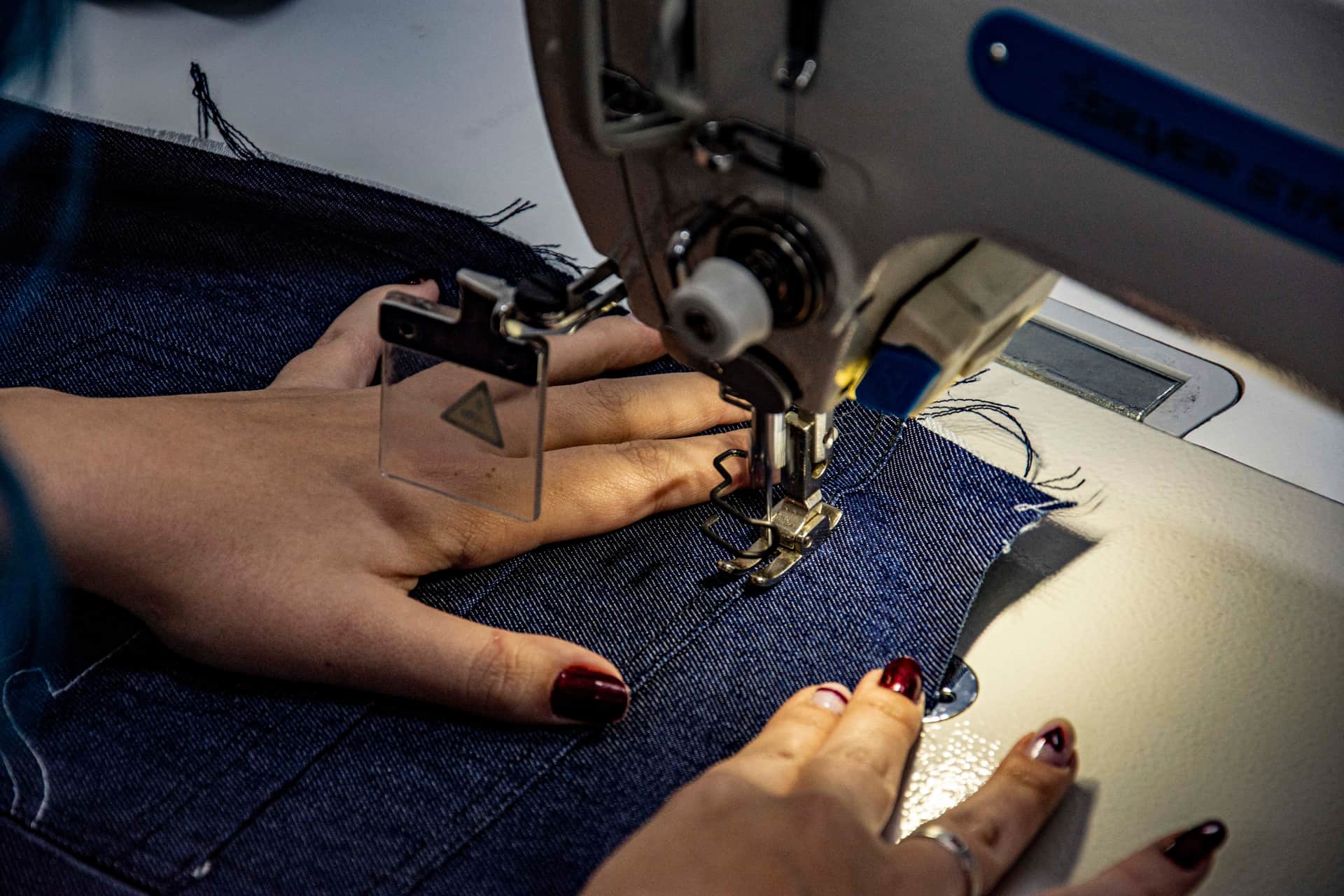
Brother ST371HD review: the heavy-fabric platform minus the screen, and minus three feet
The Strong & Tough platform on a dial: metal needle plate, non-stick foot, drop feed. One buttonhole style, and out of stock at Brother.
Best heavy-fabric Brother
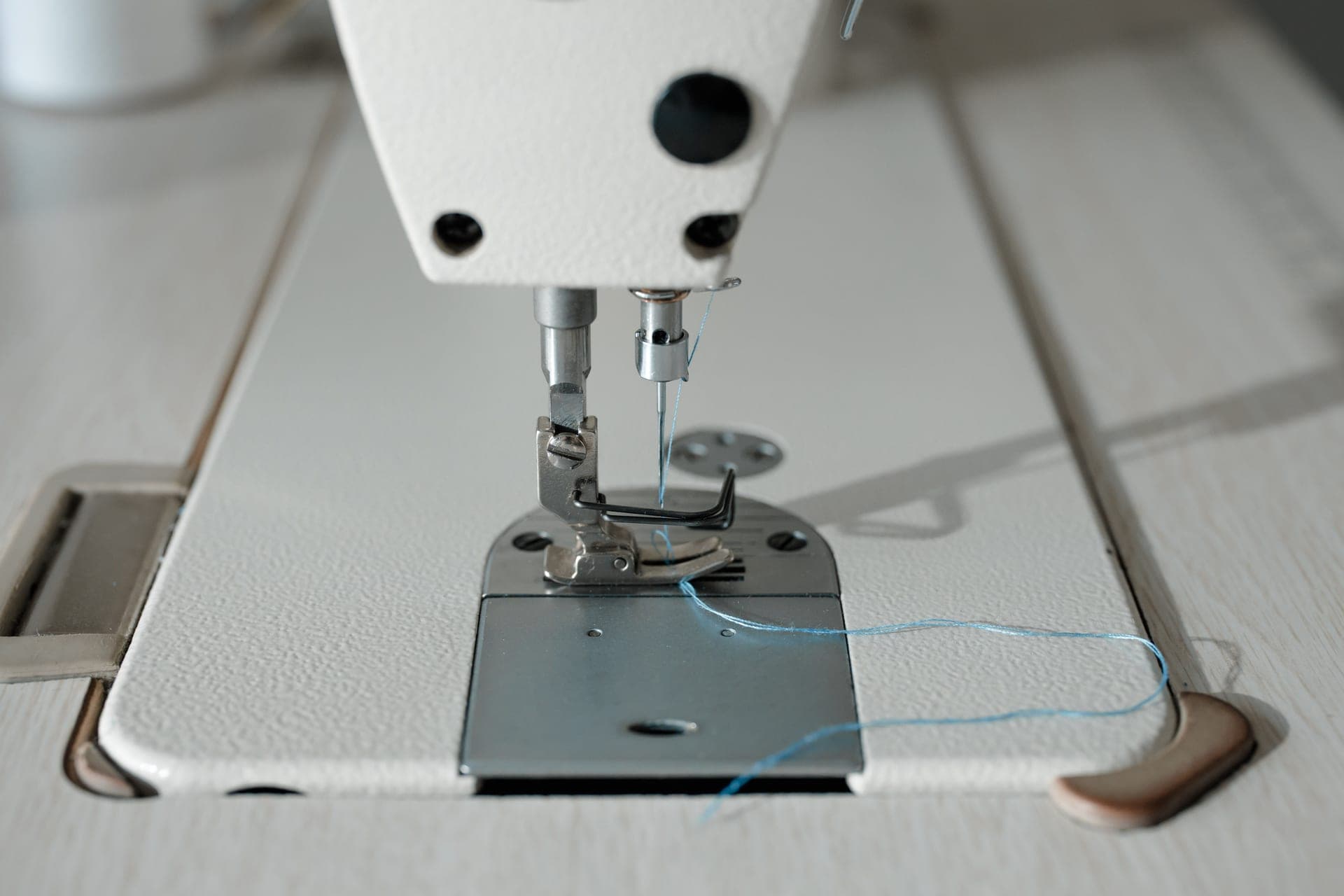
Brother ST150HDH review: the heavy-fabric machine that solves feeding a different way
7-point box-feed feed dogs, a metal frame and nine feet including a walking foot — at 10.14 lb, the lightest heavy-fabric machine we cover.
Best for denim
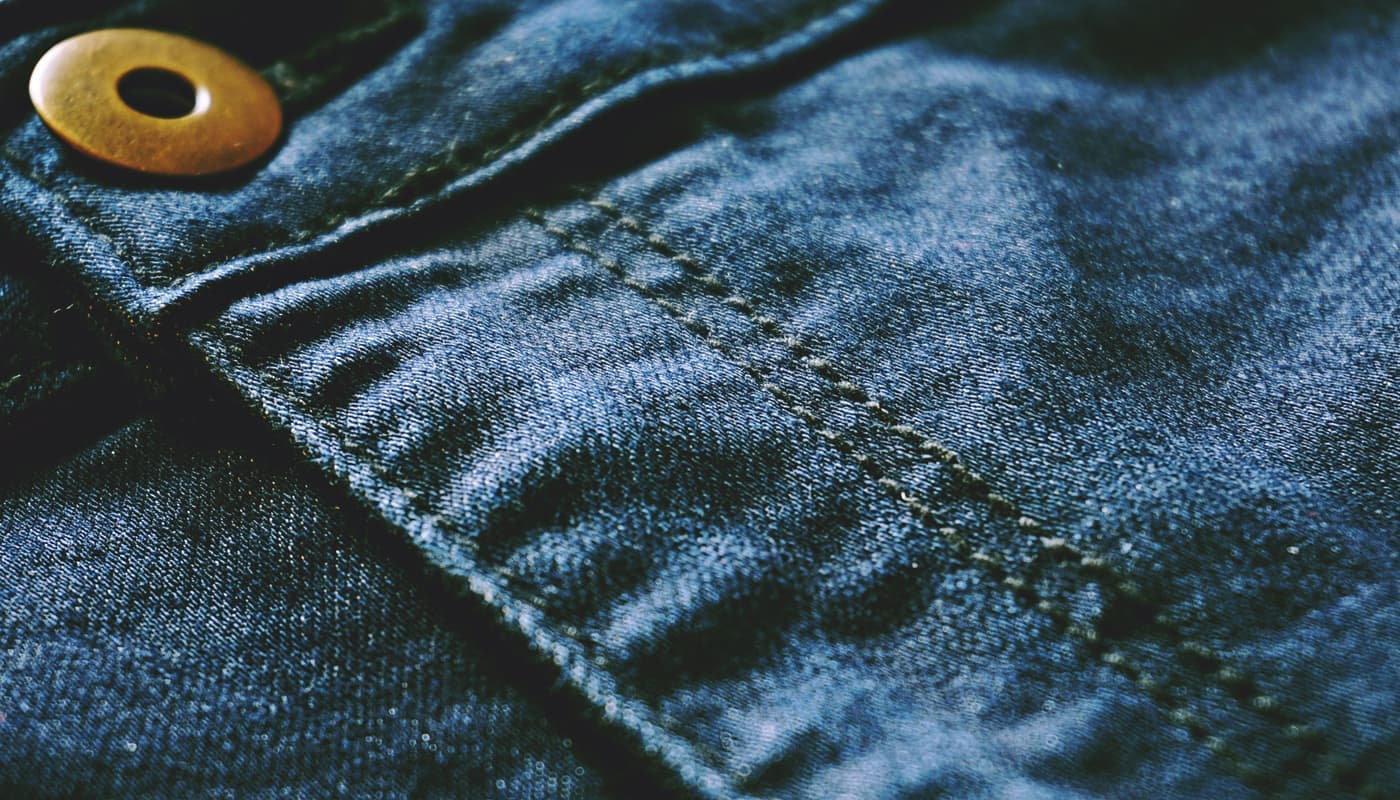
The best sewing machines for denim
Ranked on presser foot pressure, feed dog design and frame material - the three things that actually move thick fabric.
Best accessory kit included
SINGER Heavy Duty 4452 review: the accessories are what you are actually buying
A walking foot, a non-stick foot and a clearance plate in the box, on Singer's heavy-duty chassis — and cheaper than the 4423.